
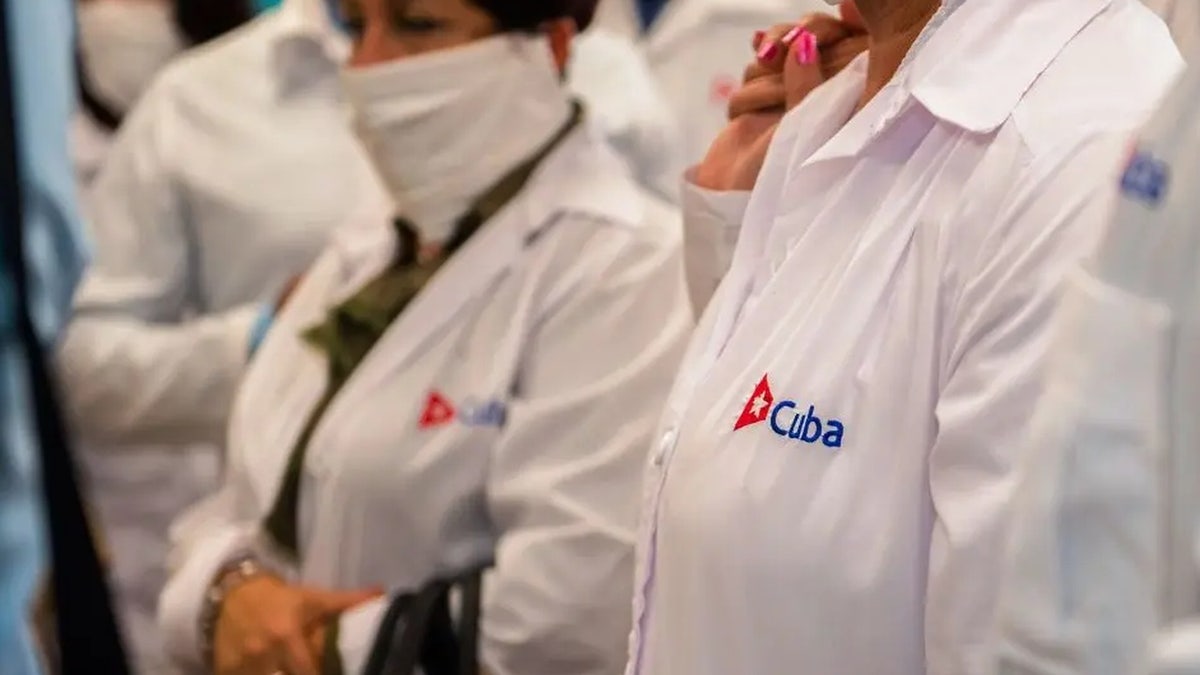
The U.S. Congress passed a law in February 2026 that penalizes countries involved in the exploitation of Cuban doctors through the Castro regime’s international medical missions. A similar law for the fiscal year 2027 awaits a vote in the House.
For years, the Cuban government has forced its medical professionals to work in undesirable locations under poor conditions. This coercion benefits the regime financially, with earnings between $4-8 billion annually from these missions. Cuba retains 75-95% of the doctors’ pay, leaving the medical workers with minimal compensation.
The U.S. State Department reports that the Cuban government seizes doctors’ passports, keeps their families in Cuba as leverage, and assigns handlers to monitor them. Punishments are meted out to families if a doctor defects. In 2020, the State Department labeled this program as human trafficking or forced labor.
The 2026 Consolidated Appropriations Act targets countries that pay Cuba for these exploited workers. The State Department is now required to list these countries or groups and notify them. If they remain on the list for two consecutive years, they lose U.S. foreign aid. Additionally, foreign officials involved could face travel bans and financial sanctions in the U.S.
This legislation is making an impact. Countries like Guatemala, Jamaica, Guyana, St. Vincent and the Grenadines, Paraguay, and Honduras are cutting back or ending their use of Cuban doctors. The Bahamas is attempting to pay doctors directly rather than channel money to the Cuban regime, a move previously rejected by Cuba.
The Trump administration enforced this law by imposing visa restrictions on officials from Brazil, Grenada, and certain African nations connected to the program.
This law demands accountability that previous U.S. administrations have overlooked. It penalizes those who benefit from the system with travel bans, loss of aid, and financial sanctions. Ultimately, it supports Cuban doctors and reduces the regime’s financial gains.
Rep. Mario Díaz-Balart, vice chair of the House Appropriations Committee, champions this initiative to protect Cuban medical professionals and apply pressure on the regime.