
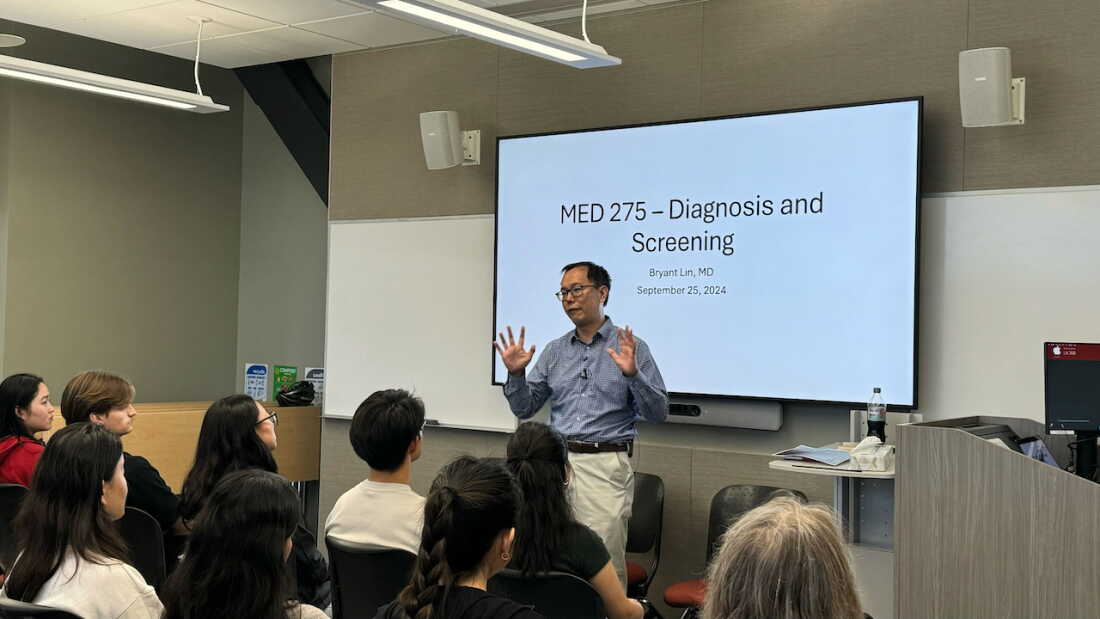
Dr. Bryant Lin, a professor at Stanford, shares his personal journey through teaching and living with lung cancer. He founded the Center for Asian Health Research and Education, pushing for improved lung cancer screening. Two years ago, Lin became a Stage IV patient, battling the disease he long opposed.
Although a non-smoker, Lin finds himself hopeful about the future, thanks to advancements in personalized treatments for lung cancer. “If we’re unable to cure it, I hope we can transform it into a chronic condition,” he shares.
Improvements in Prognosis
The outlook for lung cancer, once dire, is improving. Over three decades, the five-year survival rate has doubled to 30%, though early, localized cancer has a 67% survival rate.
Advancements in Targeted Treatment
Jonathan Goldman from UCLA emphasizes the role of genetic testing in identifying cancer mutations, allowing for targeted drug development. These drugs manage tumors more effectively while causing fewer side effects.
“Survival rates have shifted from under a year to several years,” he notes.
Comprehensive genomic testing, though available, is not fully accessible. Only half of U.S. lung-cancer patients receive genetic testing due to its non-standard status.
Challenges in Affordability
Treatment costs pose significant hurdles. Despite his expertise, Lin faces insurance challenges in covering new, costly medicines. Some drugs, like a $16,000 treatment, require prior authorization, delaying critical care.
Lin’s initial treatment stopped working after a year. By then, new drug combinations offered hope, using a blend of antibody and targeted therapies.
Exploring Personalized Treatment
Exciting possibilities include mRNA vaccines, customized to individual genetic profiles. Lin expresses interest in this approach, which shows potential in activating the immune system against tumors.
Emphasis on Screening and Future Prospects
Lin advocates for enhanced screening methods, like AI imaging and sensitive blood tests, to detect lung cancer earlier. This could significantly reduce mortality rates.
He continues teaching, traveling, and consulting for the Susan Wojcicki Foundation, all while managing his symptoms and maintaining a quality life.
A Personal Perspective
Despite the progression of his cancer, Lin remains engaged in life’s pleasures, like attending San Francisco Giants games with his family, and working on his forthcoming book with a vintage typewriter. “Life needs a bit of silliness,” he insists, balancing his roles as doctor and patient, optimist and realist.