
Business leaders around the globe face a challenging climate. The ongoing conflict in Iran highlights the increased risks and unpredictability of today’s global market.
Even after the conflict subsides, the high cost of business operations is expected to remain. Prices for goods and services will likely stay elevated, a consequence of the upheaval.
Kevin O’Marah, chief research officer at Zero100, a supply chain research firm, emphasizes the need for businesses to diversify. He advises executives to explore options across various industries like pharmaceuticals, clothing, and electronics.
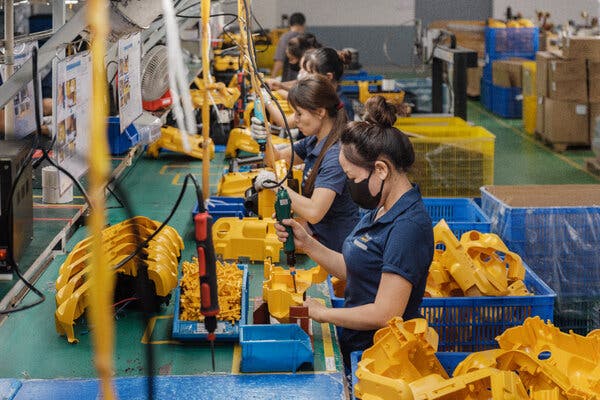
Adapting operations includes finding manufacturers in new regions, stockpiling essential goods, and reshaping supply chains. O’Marah notes, “Flexibility is critical. It involves additional manufacturing capacity, extra inventory, and alternate routes.” However, he warns that these measures increase costs, contributing to inflation.
The International Monetary Fund recently projected a rise in global inflation. They expect it to reach 4.7% in 2026, up from 4.1% in 2025, driven by higher prices for essentials such as energy, metals, fertilizers, and food.