
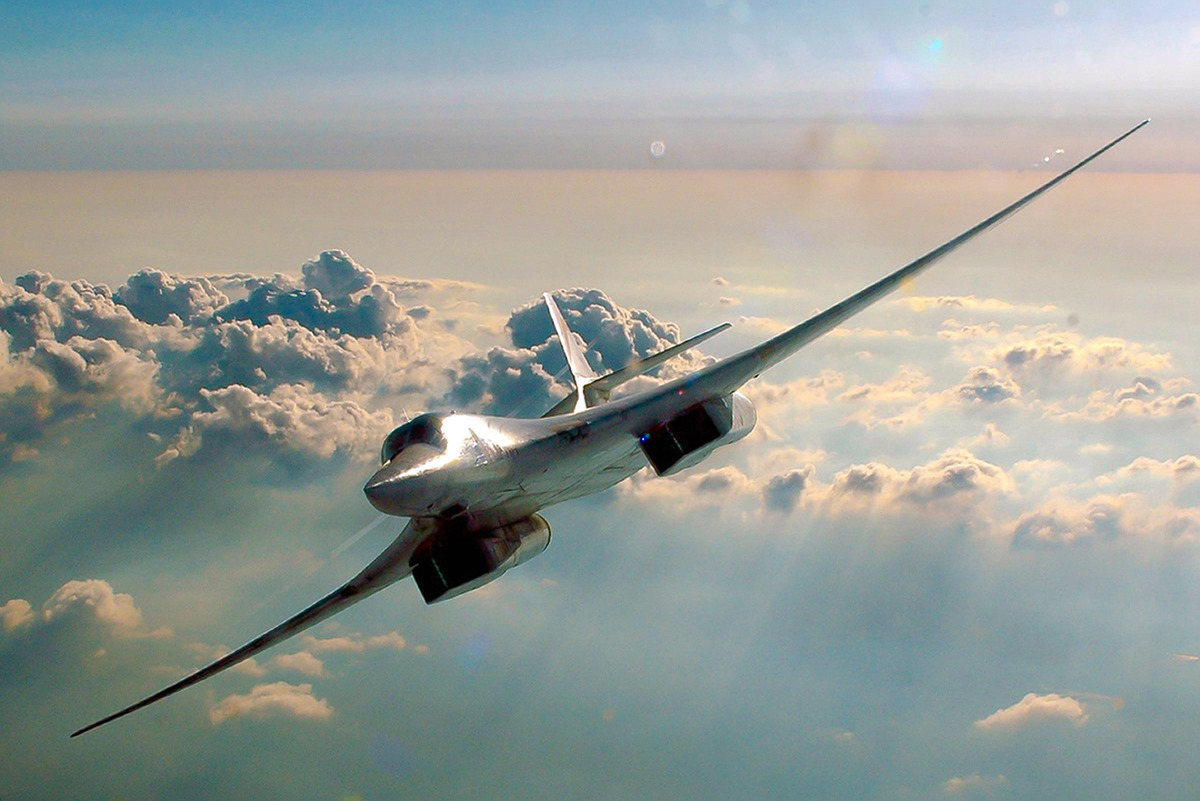
Two NATO fighter jets recently tracked Russian bombers in the Arctic. Russia described this as a planned training exercise. This event, however, raises eyebrows due to the nuclear capability of these bombers. Such incidents are common, but they are particularly scrutinized in the Arctic due to growing Russian and Chinese involvement.
Russia’s defense ministry reported that several Tu-160 bombers flew over the Barents and Norwegian Seas. These strategic bombers, escorted by Russian MiG-31 fighter jets, traveled through international airspace for 16 hours.
At certain stages of the route, the strategic bombers were escorted by fighters from foreign countries,according to the Russian government.
A NATO official revealed that two Norwegian F-35s responded. Russian footage even showed an F-35 near the Russian aircraft. Norway, a NATO member, possesses over 50 F-35s. Some are based at Evenes Air Station in northern Norway, monitoring sea boundaries.
Norway shares a border with Russia and is near Russia’s important military bases in Murmansk and Severomorsk. These bases house strategic nuclear submarines. Due to this proximity, Norway maintains a “quick reaction alert.” This system ensures that two F-35s are always prepared to launch within 15 minutes.
The F-35 is a fifth-generation fighter jet made in the USA. It is currently one of the most advanced jets available. Future sixth-generation jets are under development, promising enhanced stealth and advanced systems.
Many NATO countries have invested in F-35s. Meanwhile, climate change affects the Arctic more than any other region. Melting ice opens new passages for military and civilian vessels.
Most of the eight Arctic nations belong to NATO, yet Russia remains a powerful entity in the area. Russia continues to develop the Arctic with both military and civilian infrastructures. Recently, it has revitalized Soviet-era bases and introduced new facilities. Meanwhile, China aims to expand its presence, labeling itself a “near Arctic” state.