
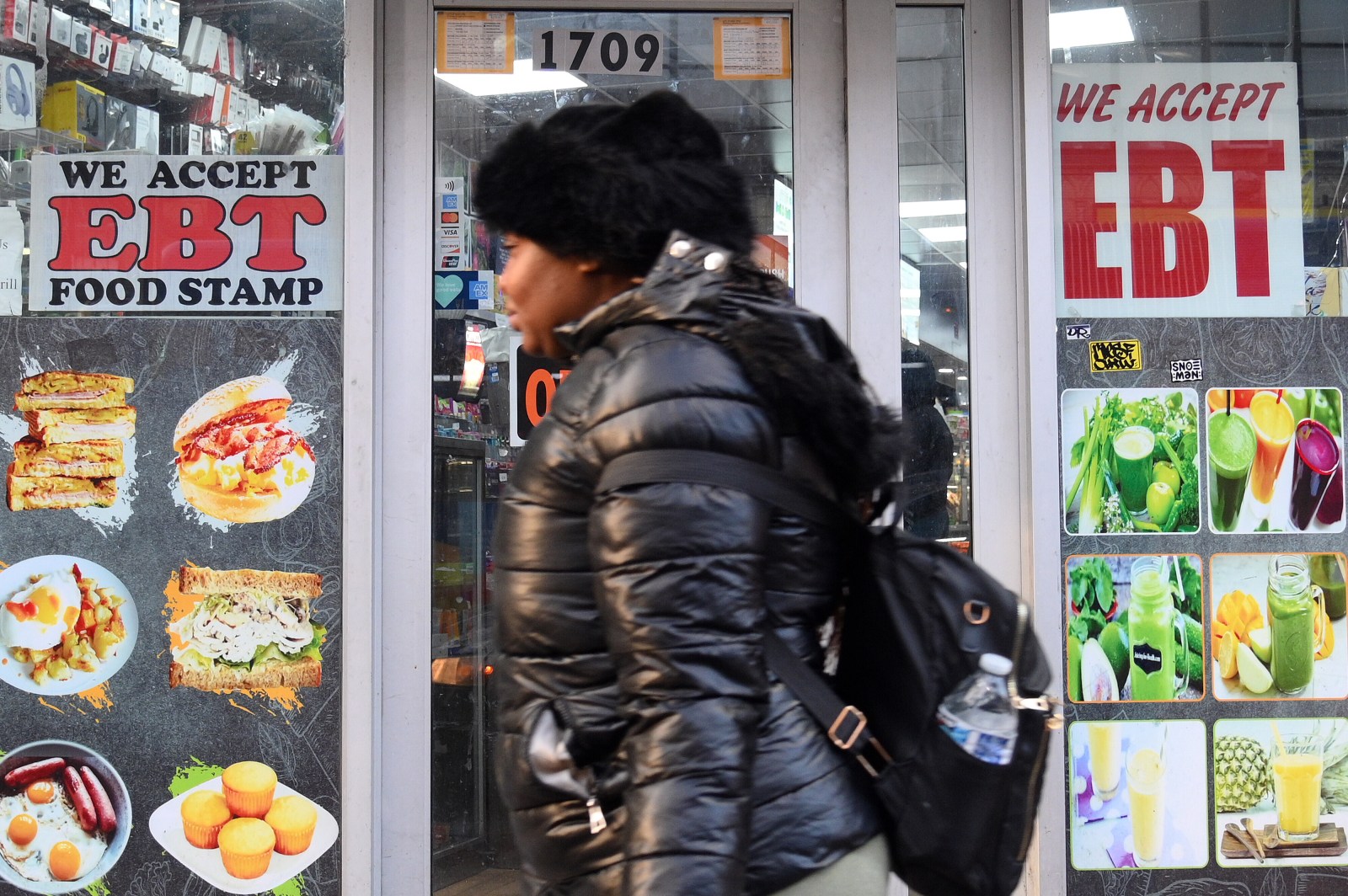
A federal judge has halted an initiative by the Trump administration to prevent SNAP recipients from using benefits to purchase sugary products like soda. This decision impacts millions nationwide.
Judicial Decision
U.S. District Judge Amy Berman Jackson ruled that Congress did not delegate authority to the USDA to change the definition of eligible food under the Food and Nutrition Act. The department cannot exclude entire categories of food from SNAP. This overturns USDA’s prior approvals for state pilot programs aiming to exclude items like soda and candy from SNAP purchases.
Implications of the Ruling
The ruling affects 23 states that had waivers approved by the USDA, involving approximately 13.5 million SNAP recipients. Historically, SNAP benefits cover food and beverages meant for human consumption, excluding alcohol, tobacco, and hot prepared foods.
Background on Restriction Policy
The restriction policy was introduced under Robert F. Kennedy Jr’s initiative, aiming to reduce sugary product consumption owing to high obesity and diabetes rates. Critics argue it complicates the program for around 42 million Americans relying on SNAP.
States with Approved Waivers
Waivers had been approved for Colorado, Iowa, Nebraska, Tennessee, and West Virginia, alongside 18 other states including Arkansas, Florida, and Texas. These programs began or were scheduled to begin, assessing shopping behavior without opt-out options.
Impact Across States
According to USDA data, Colorado has 580,000 recipients, Tennessee 596,000, Iowa 242,000, West Virginia 256,000, and Nebraska 132,000. Nationally, SNAP could potentially affect 13.5 million recipients.
Reactions and Future Actions
The NCLEJ welcomed the ruling, emphasizing the legal framework for consistent SNAP operation. The USDA might explore other ways to impose purchase restrictions, indicating ongoing legal challenges. The court’s decision supports existing federal rules permitting most food item purchases.