
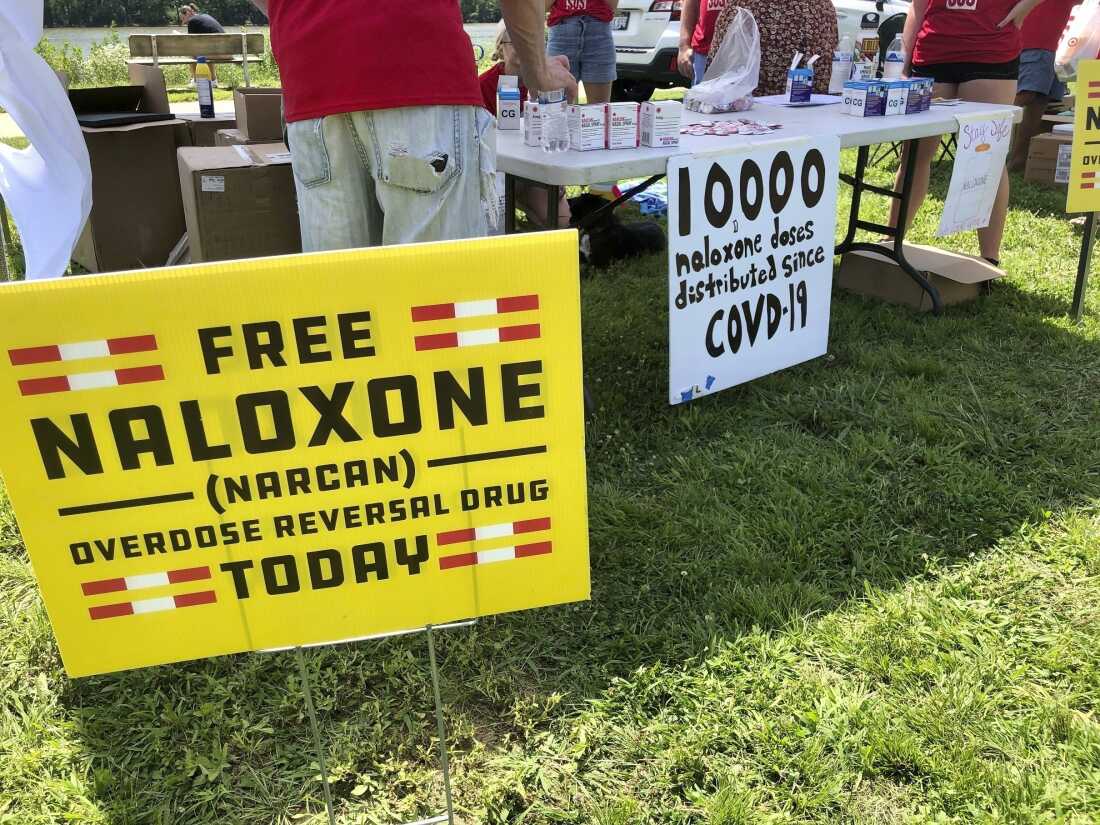
In an effort to combat the ongoing drug crisis, public health officials have credited the widespread availability of naloxone, also known as Narcan, for significantly reducing overdose deaths across the United States. Despite rising overdose rates in a few western states, the overall number of drug-related fatalities decreased by approximately 14% in 2025 compared to 2024. According to preliminary data from the Centers for Disease Control and Prevention, 69,973 individuals died from overdoses nationwide in the past year, a decrease of roughly 11,300 from the previous year.
Dr. Nora Volkow, head of the U.S. National Institute on Drug Abuse (NIDA), expressed optimism about the trend, noting that the initial decline noticed in 2023 has been sustained. Public health researchers attribute the reduction in deaths to the increased use of medications that alleviate opioid cravings and reverse overdoses. Beth Meyerson, a drug policy researcher in Arizona, highlighted the critical role of widespread naloxone availability and the recognition of its use as essential first aid.
The decline in overdose deaths follows a significant decrease that began in the summer of 2023. Experts attribute this trend to various factors, including a reduction in the potency of illicit fentanyl and fewer young people engaging in drug use. Alabama, New York, and Virginia saw the most substantial reductions, with overdose deaths decreasing by 25 to 30% in the last year.
New York Governor Kathy Hochul emphasized the importance of addressing health disparities and new substances in the illicit drug supply. Since 2022, opioid-related deaths from fentanyl, heroin, and illegally sold pain pills have been halved in New York. Nationally, 2025 recorded the lowest level of drug deaths in a 12-month period since at least 2019, a notable decline from the peak of 112,418 deaths in the summer of 2023.
“We started to see the declines in 2023 but they were small and we weren’t certain they were going to be sustainable.” – Dr. Nora Volkow
Despite the positive trends, challenges persist in some states and communities. Drug deaths in the U.S. remain high compared to international standards. Scotland, the second highest in drug death rates per capita, reports significantly lower fatal overdoses than the U.S. Overdose deaths continue to affect older Americans and many predominantly Black and Native American communities. The emergence of toxic new synthetic drugs made from industrial chemicals adds to the concern.
Arizona, New Mexico, and North Dakota experienced sharp increases in fatal overdoses in 2025. Meyerson cited the presence of more potent fentanyl and methamphetamines, along with limited access to medical care, as factors contributing to Arizona’s increase in overdose rates. Arizona serves as a primary entry point for fentanyl entering the U.S. from Mexico. The state also faces challenges in providing timely treatment, with rural residents experiencing an average drive time of over two hours to access opioid treatment.
“Both Arizona and New Mexico have relatively large Native American populations and when you look at the demographics, what is clear is that overdose mortality among Native Americans is double that of the general rest of the United States.” – Dr. Nora Volkow
Dr. Volkow pointed out the concerning prevalence of potent methamphetamines in Arizona and New Mexico. She emphasized the need for intensified efforts to reduce overdose deaths in Native American communities, particularly those in remote rural areas where medical services are often insufficient or lacking altogether.