
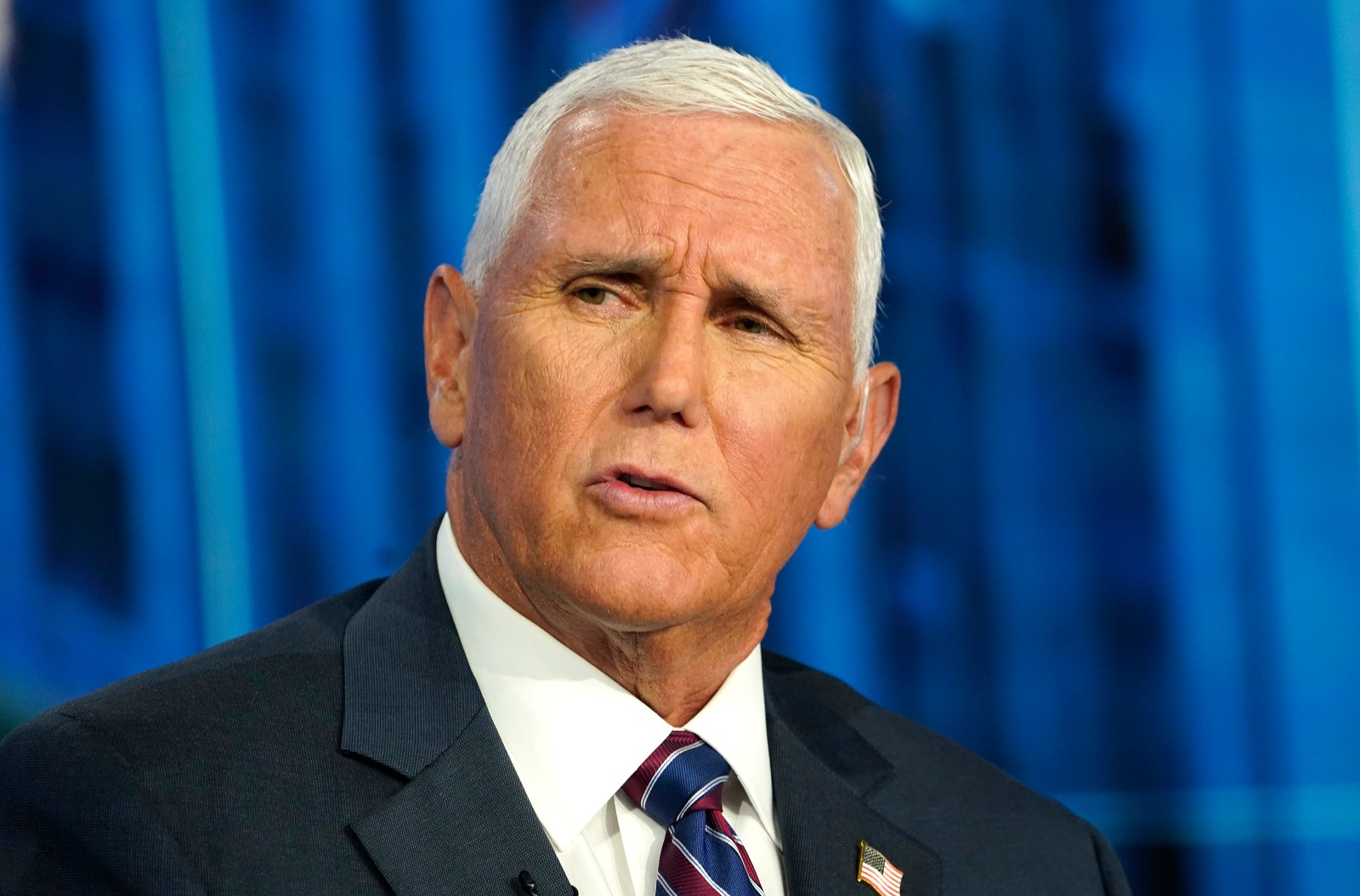
Former Vice President Mike Pence criticized reported U.S. concessions to Iran, suggesting they are more than a mere mistake and could provide a “lifeline” to Tehran. In a discussion with CNN’s Kaitlan Collins, Pence supported President Trump’s previous military actions against Iranian nuclear facilities, labeling it a historic move that enhanced U.S. security by directly challenging Iran’s leadership.
Pence warned that the details of the memorandum of understanding suggest appeasement. He urged Trump to maintain a firm stance and not withdraw pressure. Despite pursuing diplomacy after military action, the concern arises from immediate concessions, such as sanction waivers, possibly revitalizing the Iranian regime. Pence emphasized the need to keep pressure intact and, if necessary, allow military actions to resume.
These views resonate with concerns among critics who fear the agreement may empower Iran without effectively curbing its nuclear activities. Pence stressed a stance of peace through strength, advocating against a ceasefire and urging military leverage if Iran does not concede.
Details of the Reported Deal
A draft memorandum reportedly outlines a 14-point agreement between the U.S. and Iran, including an immediate ceasefire and a 60-day negotiation period for a final deal. This draft suggests the U.S. lifting its naval blockade, issuing sanctions waivers for oil exports, and collaborating on a regional economic development plan. Conflicting reports exist about a $300 billion fund for Iran.
Vice President JD Vance expressed opposition to any American money reaching Iran. The draft also anticipates removing various sanctions, with a commitment from Iran not to build nuclear weapons, maintaining the nuclear status quo during talks.
Recently, a preliminary agreement between the U.S. and Iran aimed to end prolonged conflict in the Middle East, as noted by Trump. The President’s social media updates assured the security of maritime routes and denied U.S. financial payments to Iran.
Rajan Menon, professor emeritus of International Relations, remarked that Iran’s vow not to produce nuclear weapons aligns with past decrees and agreements, diminishing the perceived breakthrough of current negotiations.
Trump announced authorizing open passage through the Strait of Hormuz, ending the U.S. naval blockade as part of the ongoing diplomatic efforts.