
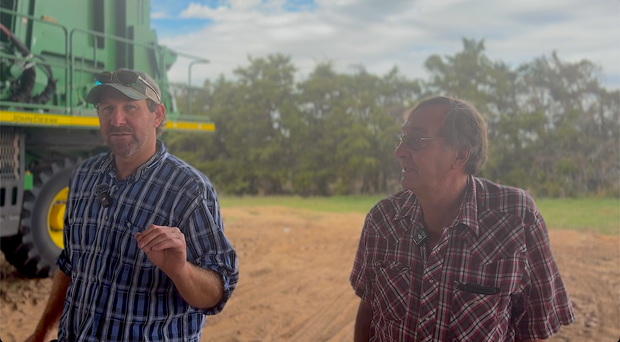
Kansas farmer Jeff Preisser openly expressed dissatisfaction with President Trump and Sen. Roger Marshall, reflecting the struggles many farmers face. The Preisser family’s farm costs increased by $737,375 in 2026 compared to the previous year, with a substantial rise in fertilizer and diesel expenses due to the ongoing Iran conflict. Their crop yields fell by 20% due to drought, while trade wars reduced agricultural exports, resulting in a $325,000 revenue drop from 2025 to 2026.
Between 2024 and 2025, Kansas lost 700 farms, and farm bankruptcies increased by 70% in the Midwest. Jeff Preisser expressed uncertainty about the survival of his 6,500-acre farm in Sylvia, Kansas. His father, Larry Preisser, plans to vote for Democrat Adam Hamilton in the Senate race, disillusioned with Republican leadership’s failure to pass a new Farm Bill since 2018.
While Jeff Preisser is unsure about voting, he expressed dissatisfaction with current Republican representation. His sister, Mandi Sieren, expressed distrust for all political options while Tracy Chambers encouraged her to see voting as a vital opportunity for change.
Both Tracy Chambers and Larry Preisser favored Hamilton, noting his willingness to work collaboratively with Republicans. Chambers highlighted Hamilton’s past as a Republican, suggesting he would be balanced in his approach to governance.
Other farmers, like Mick Roush, are sticking with Sen. Marshall, fearing Hamilton’s perceived liberal stance. The Iran conflict, tariffs, and immigration issues have divided opinions among farmers. Many loyal to Marshall believe Republican leadership must retain Senate control to protect agricultural interests.
An April survey by Farm Journal showed that more farmers trust Republicans on industry issues, yet 73% of respondents feel their elected officials don’t understand their realities well. The Trump administration’s $8 billion temporary fuel relief for farmers was deemed insufficient by the Preisser family, who seek long-term solutions to high input costs and unstable markets.
Jeff Preisser highlighted inadequate crop and fertilizer prices, explaining that farmers need systemic changes beyond temporary relief. The family had to sell ancestral land to manage financial strains, with Larry Preisser lamenting that every financial aspect seems challenging. Fear about the future of farming permeates the community.
The collapse of farming infrastructure affects broader regions, with national farm bankruptcies rising in 2025 by 46%. The USDA projects farm debt to reach $624.7 billion in 2026. In a letter to Congress, agricultural groups warned of economic crisis risks impacting the food supply.
Concerns about the industry’s future discourage many from recommending farming to younger generations. The 2022 Census of Agriculture reported the average age of U.S. farm producers as 58.1 years, with nearly 40% aged over 65. Despite challenges, farmers persist, with Larry Preisser commenting on the lack of alternatives as retirement becomes unfeasible.