
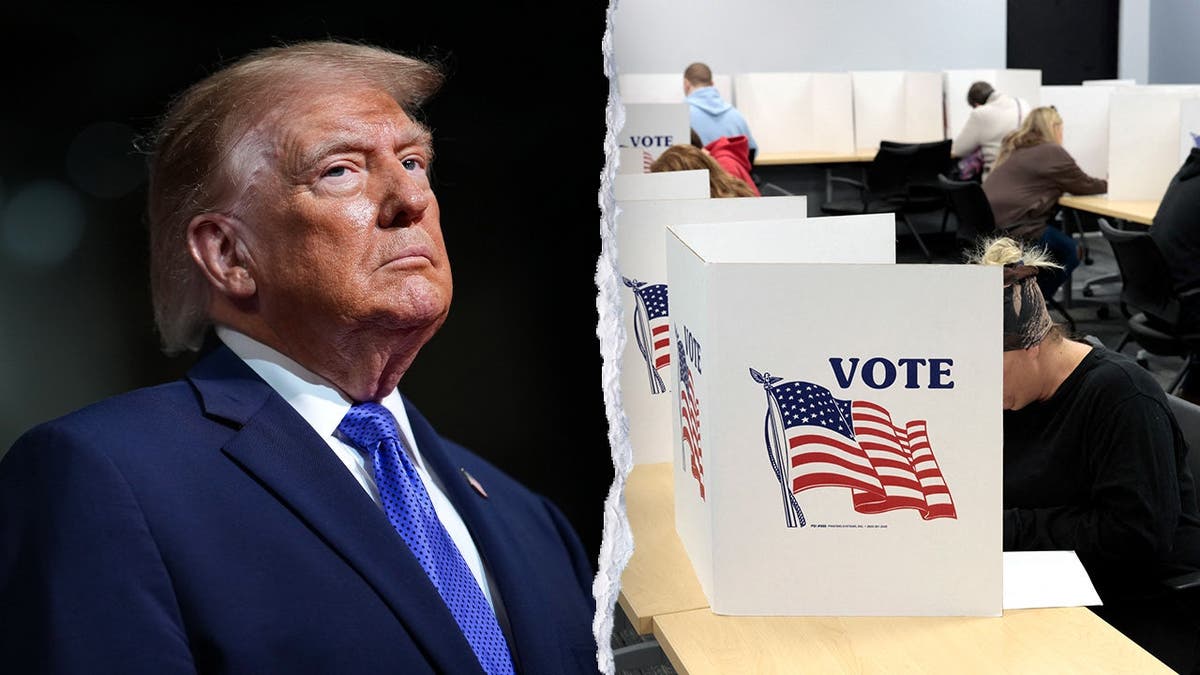
Midterm election analysis reveals voters prioritize inflation as GOP candidates face challenges. Rising costs and economic pressures influenced the political landscape, with discussions led by Liz Claman on Fox News analyzing the impacts on voter behavior. Contributors Joe Concha and Jessica Tarlov dissect how a 79% hardship rating influenced outcomes for the Republican Party.
The results marked a significant shift as Democrats took control of the House of Representatives, the Senate, and most governorships. They gained majority control in state legislatures nationwide for the first time in over a decade. Prior to the elections, Republicans held 28 of the nation’s 49 bicameral state legislatures, while Democrats held 18. Three states had divided control. Now, Democrats control both chambers in 24 states compared to 22 for Republicans. North Carolina and Texas feature split legislatures, and decisions in Alaska and Georgia are pending. Even with pending outcomes, Democrats maintain more state legislatures.
Nebraska remains in the Republican column due to its officially nonpartisan, unicameral legislature led by a Republican majority. Democrats achieved major successes in key states during the 2026 midterms, flipping legislative chambers and gaining full control in regions that will influence redistricting and election laws ahead of 2028. In Wisconsin, Democrats won both the Assembly and Senate, forming a trifecta with the governorship.
Similar successes occurred in Michigan, where Democrats flipped the House and expanded their Senate majority under a Democratic governor. Minnesota saw Democrats reclaim the House, retain the Senate, and keep the governorship. In Pennsylvania, Democrats took control of the Senate while holding the House. Arizona voters gave Democrats majorities in both chambers, and New Hampshire also saw Democrats flip both legislative houses. Meanwhile, Democrats gained the House in Georgia, North Carolina, and Texas.
This shift provides Democrats with greater power to shape national policy. State legislators play critical roles in setting election rules, drawing district maps, approving budgets, and enacting laws on issues like abortion, firearms, education, and labor. The change impacts redistricting as states redraw maps following the 2030 census, with the controlling party influencing district designs. Democratic control could also lead to legal challenges over existing maps and influence election rules ahead of future presidential elections.
Democrats might revive efforts for stricter gun laws, increased education funding, and expanded labor rights. Depending on the state, lawmakers could target voting restrictions, expand mail-in and early voting access, or modify election administration. Results indicating Democratic control of most state legislatures follow shortly after the party secured both congressional chambers and the majority of governorships. According to Axios, 75% of Americans live in states with Democratic governors, and 53% reside in states where Democrats control both the legislature and governorship.
Heather Williams, President of the Democratic Legislative Campaign Committee, highlighted the historic nature of these victories, which support the national strategy to build Democratic power across the country. This strategy includes competing for new majorities, breaking GOP supermajorities, and increasing leverage in red, blue, and purple states.
Furthermore, Democrats may now hold enough votes to advance the National Popular Vote initiative, bypassing the Electoral College. Economic concerns, government corruption, and declining views of President Trump contributed to these electoral outcomes. Voter sentiment reflected dissatisfaction with national conditions, with three-quarters expressing negativity about the economy. These elections marked a stark contrast from Trump’s initial term, where positive economic perceptions prevailed.