
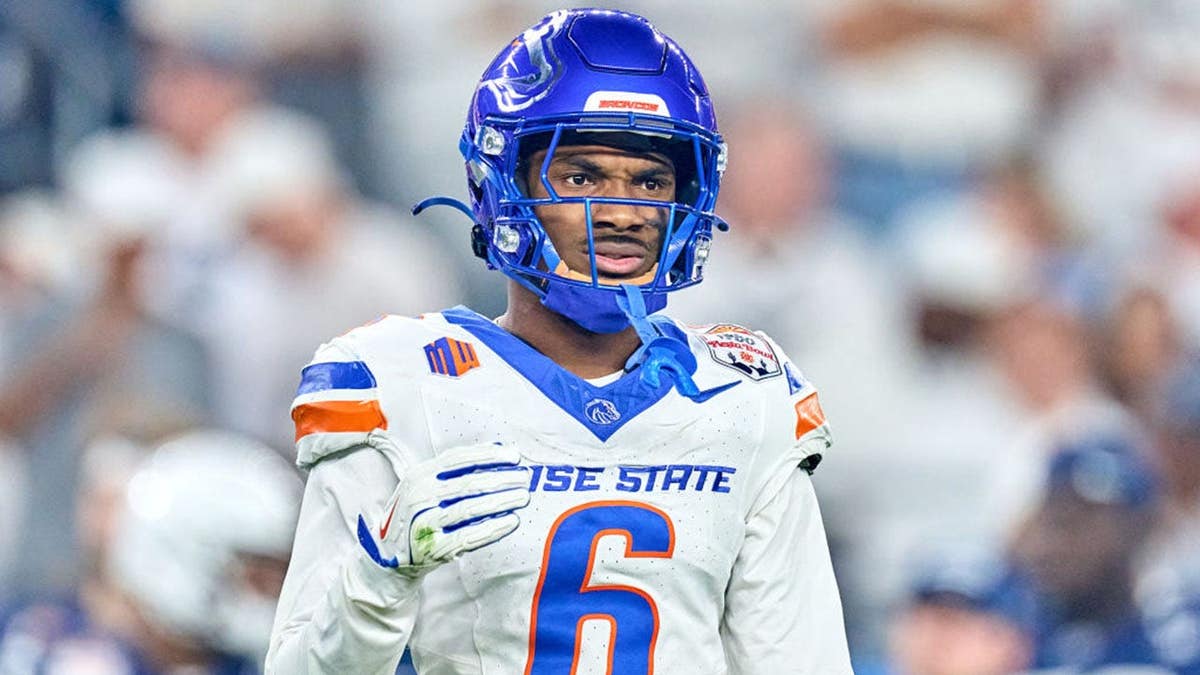
Several college football programs eagerly awaited the possibility of adding players mid-season following a recent court ruling. Now, the Michigan Wolverines are set to utilize this opportunity by accessing the transfer portal to enhance their current roster. Two players, in particular, former Miami Hurricanes tight end Alex Bauman and former Boise State defensive back Jeremiah Earby, both recently gained legal eligibility to play for a new team this season.
Thanks to a temporary restraining order issued by a Washtenaw County Circuit Court Judge, Bauman and Earby can now participate this season. Reports indicate they have enrolled at Michigan after the judge granted them the ability to join the team, although official signing has yet to occur.
The NCAA’s decision to create new guidelines regarding how many years an athlete can compete at the collegiate level has led to numerous lawsuits. Many athletes from the 2022 class argued that these guidelines unfairly targeted them. This situation allowed Earby, who previously recorded 60 tackles for Boise State, to pursue a lawsuit for another season at the collegiate level after missing out on professional opportunities.
Bauman’s journey includes playing on Miami’s 2025 team in a national championship game and previously attending Tulane for three years. Despite his achievements, no professional contract was forthcoming, prompting him to seek an additional collegiate season through legal means.
Michigan is currently 3-2 this season and preparing for a game against Penn State. The addition of Bauman and Earby could strengthen the team, yet both players remain unsigned as of the last update.
While several similar cases have emerged, schools must decide whether to take advantage of court rulings. Michigan has not commented on the players’ status, and the process of granting additional eligibility through courts appears more frequently, leaving NCAA officials to address cases winning inside courtrooms.
The NCAA faces ongoing challenges in navigating these legal battles, which revolve around eligibility and player rights. As the college athletics landscape evolves, these disputes are likely to continue influencing future policies.