
Overview of the Primary Race
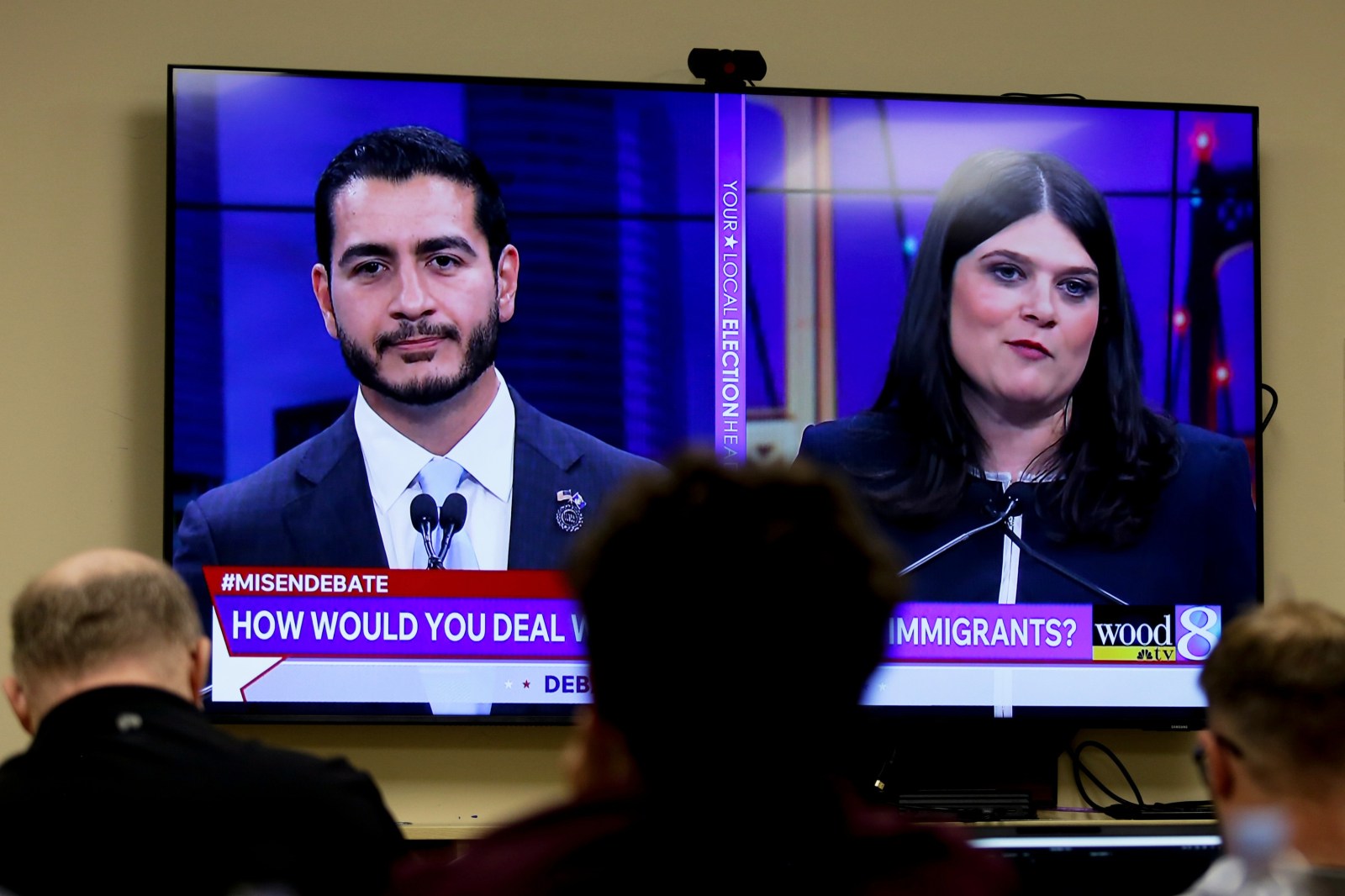
On Tuesday, Michigan Democrats will decide a major primary that has drawn national interest. The race will determine the successor to retiring Senator Gary Peters and is viewed as a test for the Democratic Party’s direction.
Former public health official Abdul El-Sayed and Representative Haley Stevens are in the running. This contest has evolved into a clash over ideology, campaign financing, and party influence. Stevens stands as the establishment’s choice, supported by Governor Gretchen Whitmer and significant funding from the America Israel Public Affairs Committee’s (AIPAC) super PAC.
El-Sayed mobilizes the party’s progressive wing, receiving endorsements from Senator Bernie Sanders and Representative Alexandria Ocasio-Cortez. He stresses the power of grassroots organizing against entrenched institutions.
Implications Beyond Michigan
The primary’s outcome could send shockwaves across the nation. A victory for El-Sayed in both the primary and general election against Republican Mike Rogers might demonstrate the strength of progressive ideas in a competitive state. However, if he wins the primary but loses in the general election, moderates may argue that progressive candidates are risky in swing states.
Conversely, Stevens’ camp believes her candidacy represents the best chance to retain the seat within Democratic hands.
Money and Influence in the Race
A significant focus in this race has been the role of outside spending. AIPAC’s associated super PAC, United Democracy Project, has invested around $30 million to support Stevens and oppose El-Sayed, marking a major investment in a single race.
Joseph Geevarghese, from Our Revolution, emphasized that this election tests whether vast external funding can substitute grassroots efforts. Stevens’ campaign, however, claims her position stems from polling support, showing her as a formidable contender against Rogers.
A defeat for Stevens could challenge AIPAC’s reputation within Democratic circles, according to consultant Doug Gordon. Michigan’s late primary date leaves nominees under 100 days to consolidate party support before facing Rogers.
Demographics and Identity Politics
Michigan’s diverse demographics add complexity, with a significant Arab American population. Jim Kessler highlights this, noting the demographic tendencies that influence political outcomes in the state.
The contest is also a fight for Black voter support, a key segment of the state’s Democratic electorate. Generally, Black voters have leaned towards moderates. Recent polls reflect Stevens’ lead among older Black voters, whereas El-Sayed draws support from younger, educated groups.
National Ambitions and Campaign Dynamics
The primary has also turned into a debate on candidates’ broader ambitions. Leaked audio revealed El-Sayed potentially aiming to reshape Democratic priorities nationally, prompting criticism from Stevens’ camp that he is more interested in national influence than representing Michigan.
Stevens presents herself as committed solely to Michigan’s interests, with her campaign highlighting plans to address economic and public policy issues specific to the state.
Shifting Momentum
The race dynamics have shifted, with recent polls indicating El-Sayed has gained traction. Surveys show him leading Stevens, signaling a change from previous stalemates.
Prediction markets have adjusted accordingly, with El-Sayed’s chances of winning the nomination increasing significantly.
Road Ahead to November
The Democratic nominee will face Rogers in what promises to be a challenging general election. Michigan, a key battleground, offers a stark glimpse into past election closeness, as shown by Trump and Biden’s narrow vote margins.
Despite Democrats appearing to hold an edge, head-to-head polling indicates a tight race between Stevens or El-Sayed and Rogers, with margins too close to call.
The primary results will offer immediate insight into the nominee preferred to retain this vital Senate seat. However, the broader intraparty debate pitting establishment forces against progressive challengers seems set to persist beyond the ballot counts.