
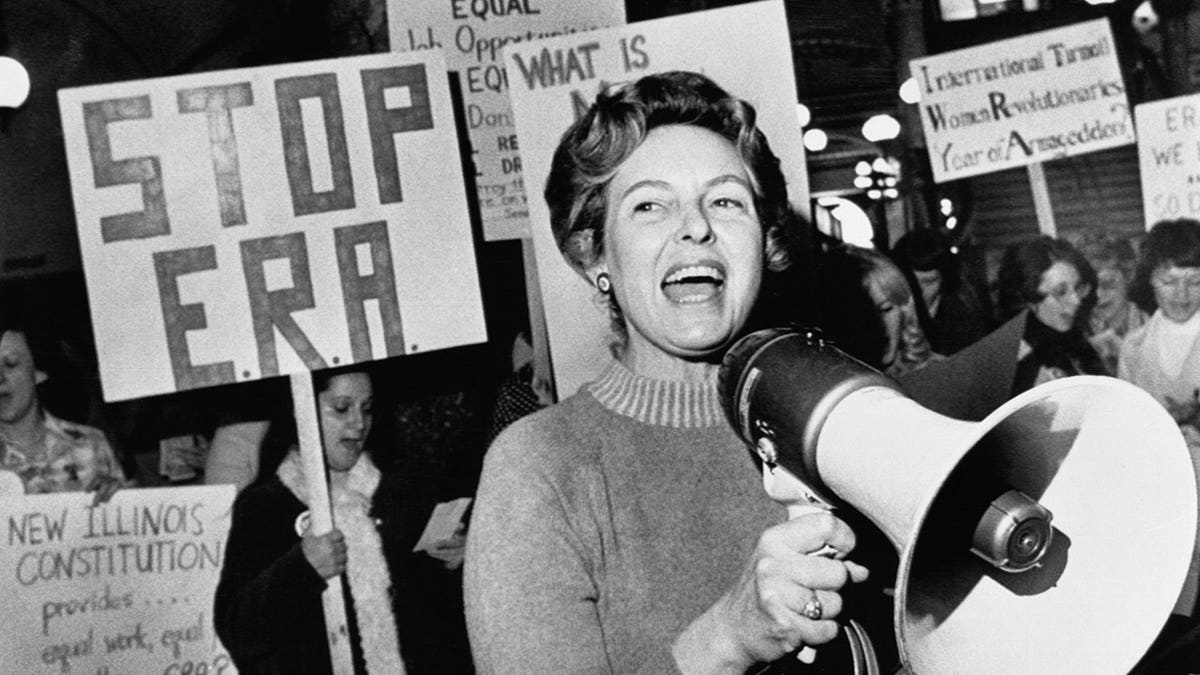
Almost three decades ago, Phyllis Schlafly, a notable conservative figure, questioned the role of the government in private homes. She asked if Americans would accept government agents advising on child care. This question is revisited as Massachusetts Governor Maura Healey seeks $2 million to expand the Welcome Family program, which currently assists about 3,000 births a year by sending nurses to families with newborns.
Expansion of the Welcome Family Program
The proposed expansion aims to cover approximately 68,000 annual births across the state. This initiative resurfaced following the Lindsay Clancy case, which highlighted maternal mental health issues. Anne Schlafly, Phyllis Schlafly’s daughter and current chairman of the Eagle Forum, reiterates her mother’s concerns about government intrusion into family lives.
My mother was very prescient about government intruding into our family lives.
Phyllis Schlafly’s 1999 column warned about government-led home-visiting programs like Healthy Families America. These initiatives aim to assess family risk factors and provide parenting advice, sparking questions about their voluntary nature.
Understanding Welcome Family’s Approach
The Massachusetts program is described as voluntary. It involves nurses assessing the health of newborns and caregivers, addressing newborn care queries, and screening for postpartum mental health issues. Despite assurances, Anne Schlafly questions the program’s voluntary status shortly after childbirth, emphasizing the need for informed consent.
Governor Healey mentioned her vision on Boston Public Radio, explaining the program as a gateway for healthcare providers to assess and offer support to families with newborns within days or weeks of the birth.
Concerns Over Consent and Expansion
Anne Schlafly questioned the nature of informed consent, especially right after childbirth when parents might not fully understand what they are agreeing to. She expressed concern about the scale of the proposed expansion and the potential implications of government reach into family homes.
The Massachusetts authorities consider the program as a voluntary health and support service, not as inspections. They cite results such as postpartum depression screenings to demonstrate the program’s effectiveness.
If people want to have this help from Governor Healey, then they can avail themselves of it.
An essential issue for Schlafly is whether participation remains a choice for families. She stressed that parental refusal should be possible at any point without repercussions.
Conclusion
The state’s published materials emphasize the program’s voluntary nature. Fox News Digital reached out to Governor Healey’s office for clarification regarding parents’ ability to opt-out and whether information gathered could be shared with state agencies.
Echoing her mother’s sentiments, Anne Schlafly believes Phyllis Schlafly would advise Massachusetts parents to protect their home privacy from government oversights. She argues that the family home should remain a private and protected space.
Jasmine Baehr covers policy, faith, and culture for Fox News Digital.