
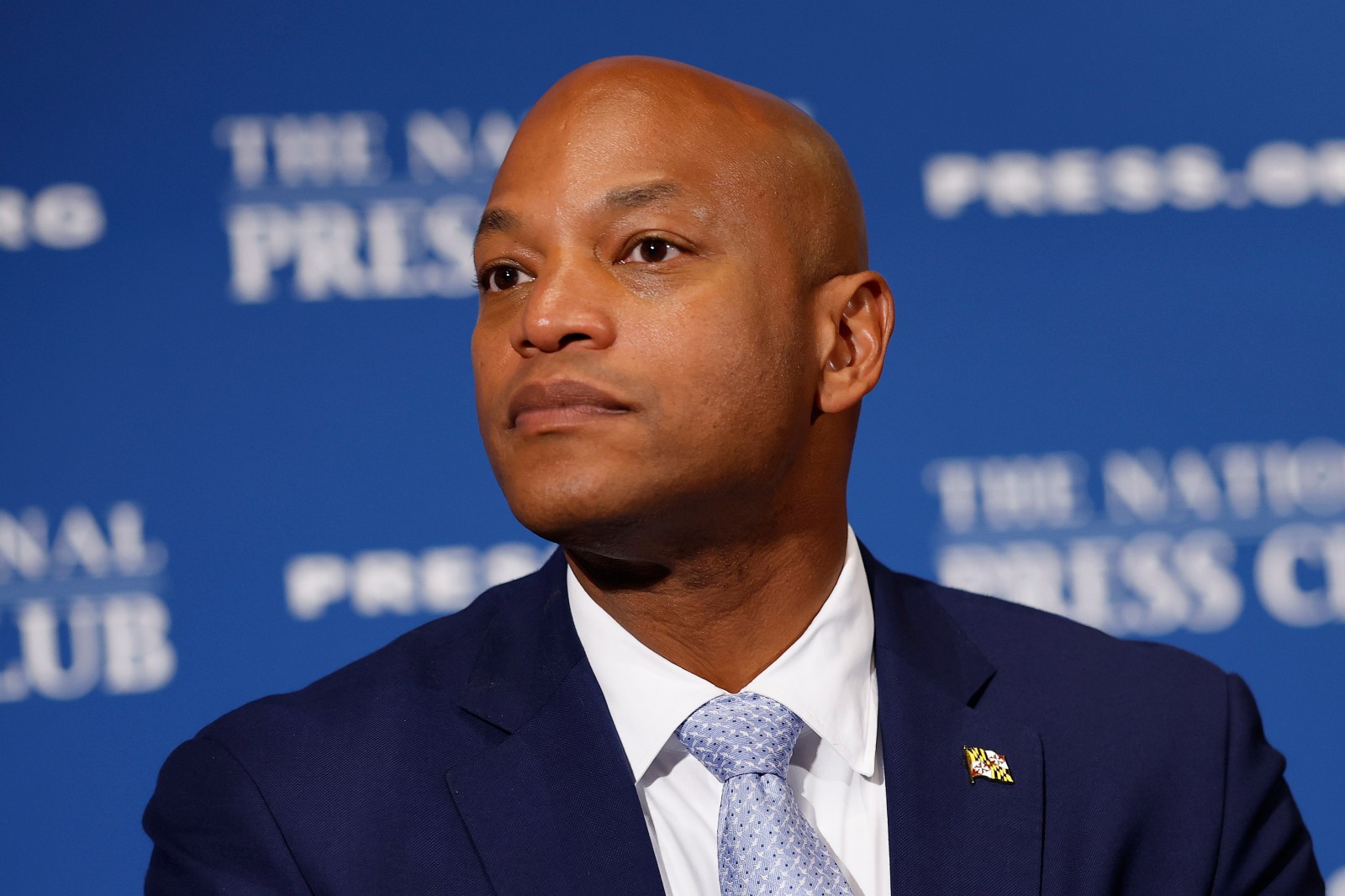
Maryland Governor Wes Moore, who triumphed in the 2022 election, enters the 2026 race as a strong contender for reelection. However, recent shifts in public opinion have given Republicans optimism about their chances. Voter concerns over taxes and affordability, coupled with Moore’s dipping approval ratings, suggest a more competitive race.
Republican Strategy and Dan Cox’s Nomination
Republicans are narrowing their focus on a single candidate, Dan Cox, after a crowded primary. Cox, a former Maryland state delegate, emerged victorious with 44.7 percent of the vote, defeating Ed Hale, who secured 36.3 percent. Cox is positioned against Moore in a rematch, having lost to him by over 30 percentage points in 2022.
Cox is recognized within the party for his strong alignment with former President Donald Trump and the MAGA movement. Despite criticism, he maintains support from many conservative voters. While Moore’s campaign tactics have been criticized for highlighting Cox’s Trump ties, they have strategically boosted his profile among Republican voters.
Approval Ratings and Voter Sentiments
Governor Moore, a Democrat who assumed office in January 2023, remains moderately popular. A January 2026 poll showed that 51.7 percent of Maryland voters approved of Moore’s performance. However, a decline to 48 percent in April signals challenges as more voters feel the state is on the wrong track.
Mileah Kromer, director of the UMBC Institute of Politics poll, notes that moore’s position reflects a downturn from previous approval highs in the mid-60s. This decline is attributed to voter discontent with economic issues, especially grocery prices, which many attribute to state leadership.
Despite some dissatisfaction, Moore’s prospects remain favorable. Polymarket analysis indicates a strong Democratic showing, with 94 percent odds of victory against Republicans’ 6 percent chances. However, economic concerns present a potential vulnerability that the GOP could exploit.
Democratic Influence on Republican Primaries
Democrats in Maryland have aimed to influence the GOP primary by painting Cox as heavily aligned with Trump, hoping to face him over a more moderate opponent. Ads aired by Moore’s campaign on Fox News highlight Republican Cox’s ties to Trump, a strategy reminiscent of past Democratic tactics.
This adds to accusations from Republicans about meddling. Cox’s primary victory reflects a Republican voter base swayed by heightened profile tactics.
Partisan Landscape and Voter Registration
Democratic predominance in Maryland presents a natural advantage for Moore. Registered Democrats vastly outnumber Republicans, with 2.2 million Democrats compared to 1.02 million Republicans, presenting a steep challenge for GOP candidates.
Despite this, Republicans have seen a slight growth in their base since Moore’s 2022 win, suggesting shifting dynamics. For Republicans to succeed, appealing to independents and gaining crossover votes from Democratic voters disillusioned with current governance are essential.
Historical Context and Election Challenges
Maryland’s political history shows difficulty for Republicans in statewide races. Republican Larry Hogan, who led from 2015 to 2023, was an outlier, winning as a moderate focused on fiscal issues. Hogan’s success is a rare example, given Maryland’s Democratic leanings.
For Republicans to replicate Hogan’s success, a candidate must extend appeal beyond the GOP base. This requires a moderate stance aligned with voter concerns about taxes and governance. Moore’s reelection depends on maintaining voter comfort with economic policies and addressing growing discontent.
As the campaign unfolds, Moore remains ahead of a generic Republican opponent. However, the economic sentiment and shifting voter approval necessitate addressing underlying issues to solidify his position.