
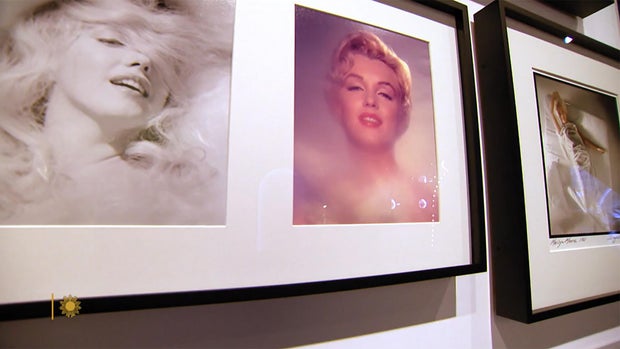
Marilyn Monroe, often said to be uncomfortable in front of a camera, remains one of the most photographed women of the 20th century. Her legacy and influence continue to grow, especially in a world where everyone seems to seek attention. As a testament to her enduring appeal, the Academy Museum of Motion Pictures in Los Angeles launched a new exhibition titled “Marilyn Monroe: Hollywood Icon.”
Curated by Sofia Serrano and museum director Amy Homma, the exhibition features a vast collection dedicated to Monroe, showcasing many of her iconic film costumes. Discussing the public’s fascination with Monroe, who passed away in 1962, Homma remarked, “The fire has not extinguished. People still want to connect with Marilyn…She is everlasting.”
One highlight of the exhibition is the pink dress from “Gentlemen Prefer Blondes,” associated with the song “Diamonds Are a Girl’s Best Friend.” This dress was a last-minute replacement after more revealing nude photos of Monroe surfaced, prompting the studio to opt for the more modest version.
Serrano noted that Monroe exemplifies resilience, making her a source of inspiration for many. Before fame, Monroe was Norma Jeane, a child who lived in various foster homes before marrying at 16 to avoid another move. Her journey from Norma Jeane to Marilyn, through multiple marriages and 29 films, presented numerous hurdles.
Despite a reputation for moodiness and tardiness on set, Monroe’s exhaustive preparation, including lengthy makeup routines, was said to be worth the wait for the flawless results she delivered on screen. She never won an Oscar, yet her image has become a lucrative asset, managed by Authentic Brands Group. Monroe’s social media following continues to grow, mainly among those under 34.
Scott Fortner, who manages the Marilyn Monroe Collection, has explored her finances extensively, revealing myths like her financial dependence on Joe DiMaggio were untrue. Contrary to popular belief, Monroe financed her Brentwood home independently, negating claims she borrowed from DiMaggio.
Monroe’s final days were spent in this home, where she gave her last interview to Life magazine. Published posthumously, that conversation painted her as a player in control of her narrative, not motivated by wealth. The book “Marilyn: The Lost Photos, The Last Interview” encapsulates this period of her life.
Monroe’s death under mysterious circumstances adds to her mystique. Scott Fortner’s remarks on possible past overdoses suggest a tragic layering to her story. Nevertheless, her life rather than her death is what captivates millions. Fortner forecasts Monroe’s influence lasting long into the future, likening her legacy to that of Cleopatra.
“She was troubled and challenged, yet genius in what she created,” Fortner concluded. “This character the world fell in love with remains cherished to this day.”
For more information, visit “Marilyn Monroe: Hollywood Icon,” open May 31, 2026, to February 28, 2027, at the Academy Museum of Motion Pictures. The book “Marilyn: The Lost Photographs, The Last Interview” is available through major retailers.