
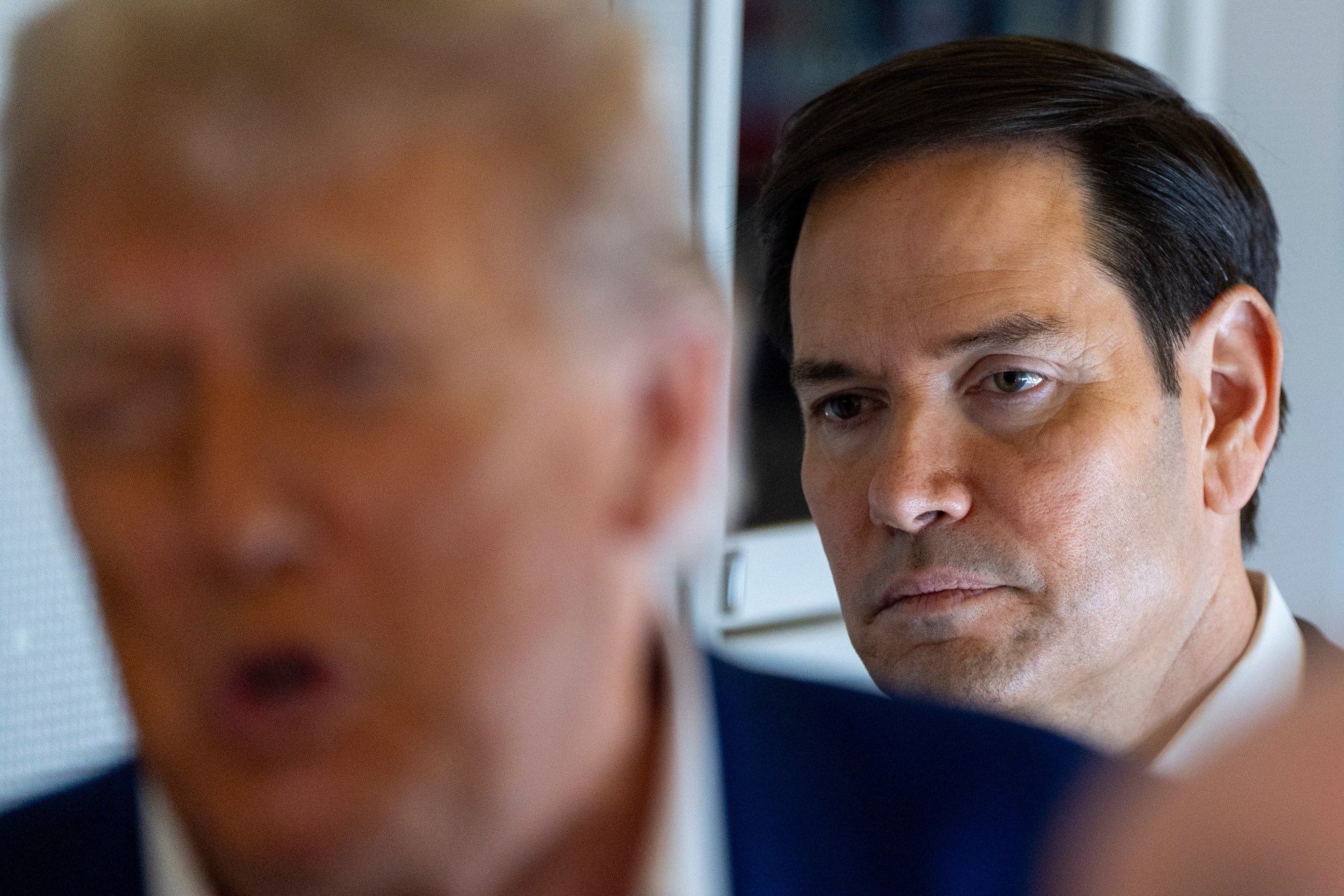
Marco Rubio, Secretary of State, finds himself in a challenging position within President Donald Trump’s administration. Historically, the State Department held a significant role as a leading diplomatic institution, central to America’s international influence, and was seen as a critical step towards the presidency. However, under Trump’s leadership, the department has seen a decline, losing its influence as he reshaped its functions.
Rubio, who has a reputation as a conservative intellectual, hoped to define his career through leadership at the State Department. The reality is starkly different. Over 2,000 career diplomats have been laid off or forced out during Trump’s second term, with the department losing about 20% of its workforce throughout his presidency. Rubio’s absence has highlighted disconnects with Trump, particularly regarding the Iran conflict, where Rubio’s hawkish stance did not align with Trump’s strategies.
Recently, Rubio has been tasked with securing approval from America’s Gulf allies for a peace deal. However, his lack of involvement in its negotiation and apparent lack of support for the deal adds another layer of complexity to his role. Trump’s approach to negotiations, including entrusting Jared Kushner and Steve Witkoff, has further complicated the situation. Their negotiations appear to prioritize personal business interests over national goals, casting doubt on the effectiveness of their efforts to end the Iran war.
Senator Tim Sheehy from Montana has called upon Rubio to lead the negotiations should Kushner and Witkoff fail. Sheehy’s public remarks show his concerns about the potential failure of the current deal. He mentioned that Rubio could offer a fresh perspective if the initial efforts do not succeed, emphasizing the need for a new approach.
Polls show increasing dissatisfaction with Trump’s handling of the Iran conflict, with two-thirds of Americans disapproving. Republican leaders also fear that the peace deal grants excessive concessions to Iran without gaining tangible benefits for the U.S. Senator Bill Cassidy voiced strong disapproval, invoking former President Ronald Reagan’s legacy to criticize the decision to lift sanctions against Iran.
Amid this turmoil, Rubio hesitates to take a prominent role in the current negotiations. He is cautious of the implications, especially when Vice President JD Vance is poised to take responsibility for the deal’s reception domestically. Rubio’s potential involvement signifies the ongoing struggle within the administration to navigate this complex situation.