
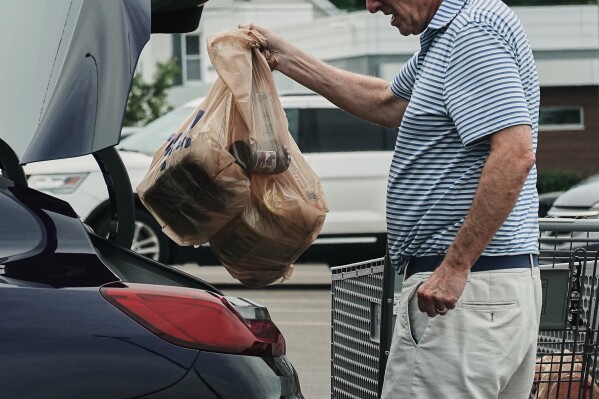
Soft, stretchy plastics such as grocery bags and bubble wrap are common and challenging to dispose of properly. These plastics, if thrown in the trash, can take hundreds of years to degrade in landfills, releasing harmful microplastics into the environment. In 2018, over 3 million tons of these materials went to landfills in the United States, according to the Environmental Protection Agency.
Commonly used plastic grocery bags can cause issues if placed in curbside recycling bins as they tend to jam recycling machinery. Delaware-based chemical engineering expert Erha Andini notes that these plastics often clog recycling equipment, both before and after shredding. Solutions are essential because production is unlikely to decrease soon due to stalled global plastic treaty negotiations. The U.S. and other oil-producing countries have shown resistance to capping plastic production, as plastics are primarily made from oil.
How to Identify Plastic Films
Plastic films, which are different from harder plastics like water bottles, include items like bread and cereal bags, and overwrap for bulk items such as toilet paper. To identify them, look for the three-arrow recycling logo with a number that indicates the type of plastic.
Most plastic films are marked with the numbers two or four, signifying high or low-density polyethylene. These can be taken to designated drop-off locations at some local grocery or convenience stores. More complex films, such as meat packaging wraps with multiple layers, should not be placed in general recycling bins to avoid contamination and processing difficulties, a practice known as wishcycling.
Recycling and Reusing Plastics
Plastic bags should not be put in household recycling bins. Instead, use dedicated drop-off bins at grocery or convenience stores where recyclers can process them into new materials like furniture. Trex, a company that accepts such plastics, has a zip code locator for finding drop-off points.
Ensure the items are clean and free from food residue or other debris before dropping them off. Some grocery stores have stopped in-store drop-off programs due to concerns about the plastics ending up in landfills. If local drop-off options are unavailable, look for local organizations that might accept plastic donations. For instance, NOVA Creative Reuse Center repurposes bubble wrap for artwork, and Precious Plastic NYC creates new products from donated plastics.
Reducing Plastic Film Usage
If recycling is inconvenient, try reducing plastic use. Use reusable bags, avoid plastic packaging, and shop locally to limit packaging waste. Though plastic wrap is crucial for food safety, small changes like buying individual produce can help minimize plastic use.
Give new life to plastic bags you already have by reusing them for groceries or as trash liners. Bags from newspaper deliveries can be repurposed for tasks like cleaning up after pets or storing wet clothes. While some plastics may still end up in the trash, making small changes can be impactful. As Meg Sobkowicz from the University of Massachusetts Lowell advises, small swaps are better than no action at all.
The Associated Press Health and Science Department and the AP’s climate and environmental coverage receives support from various foundations. The AP is responsible for all content, and more information on their standards and supporters can be found at AP.org.