
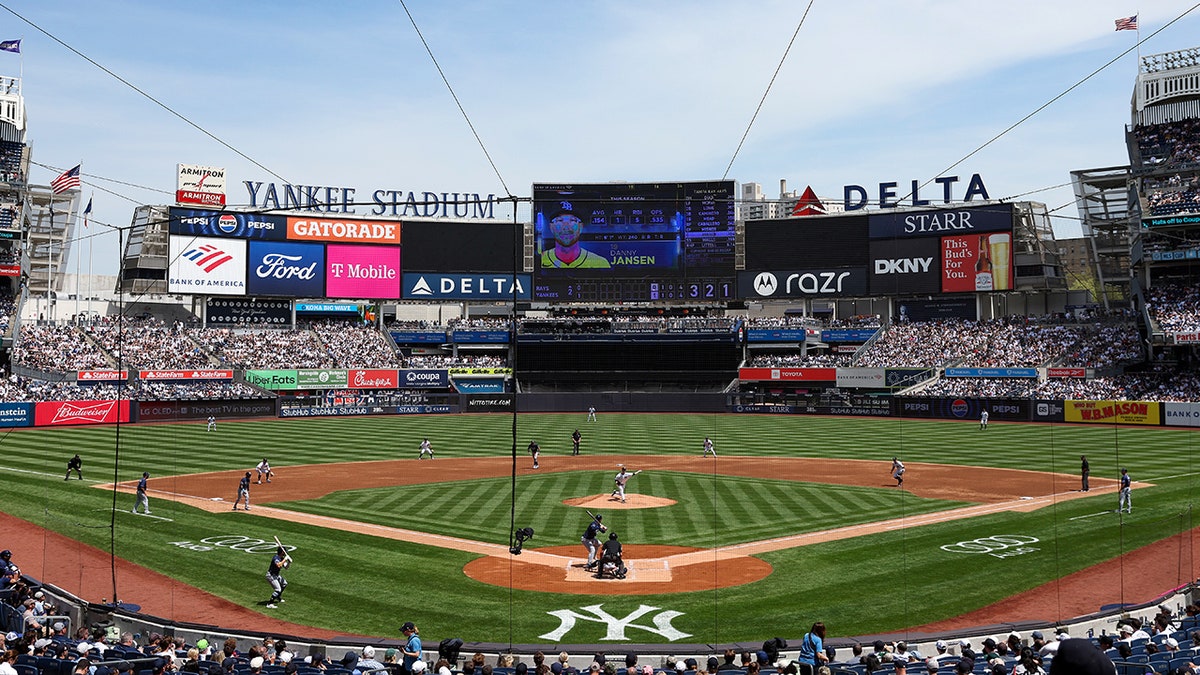
Health officials acted swiftly in the South Bronx, where preliminary tests detected Legionella bacteria in 10 rooftop cooling towers. This action comes amid a Legionnaires’ disease cluster, affecting nine individuals and leading to one death.
The New York City Department of Health and Mental Hygiene has mandated the cleaning and disinfection of these structures. Notable sites include Yankee Stadium and Lincoln Hospital. Experts highlight that repeated outbreaks signal underlying systemic issues.
When we look at outbreaks of Legionnaires’ disease in New York City, we almost always see it in the Bronx or Harlem.
Dr. Tyler Evans, CEO of the Wellness Equity Alliance, notes that historically marginalized communities face higher infection risks. Health officials identified the outbreak after a surge of cases from late August. Tests confirmed Legionella traces in 10 of 24 sampled towers. PCR tests identified bacterial DNA; however, these tests do not distinguish between live and dead bacteria. Culture tests, which confirm the presence of live bacteria, require up to two weeks.
The immediate environment further complicates matters. Late-summer heat provides a favorable setting for bacteria within industrial HVAC systems, which contributes moisture to the air.
Record-breaking temperatures lead to accelerating the risk of the bacteria basically cooking, getting out to become vaporized, and then producing exposure to other people.
Legionnaires’ disease, a type of severe pneumonia, does not spread between individuals. It cannot be contracted from drinking water. Most healthy people remain unaffected, but those with high-risk factors, such as older adults or individuals with underlying conditions like diabetes or COPD, can suffer severe health consequences.
Health officials urge individuals present in ZIP codes 10451 and 10456 since late August to monitor for symptoms. High fevers, severe shortness of breath, chest pain, and coughing up bloody mucus warrant attention.
Timely medical intervention is crucial. The disease responds well to antibiotics when treated early. Dr. Evans explains,
Infections fall into different buckets — bacteria, viruses, fungi, parasites. Bacteria are alive. Antibiotics are effective against bacteria because you can kill them, which makes it very treatable.
City officials have responded promptly to inspect and clean the structures. For long-term prevention, sustained public investments are essential.
Could we test all cooling towers across New York City on a regular basis during times of risk when it’s hotter? Yes, but it costs money.
While city health officials excel in their duties, reductions in federal funding pose challenges. Increasing such investments would enhance prevention measures.