
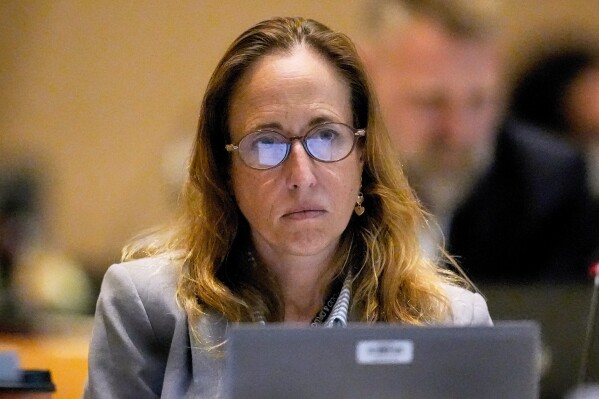
The Trump administration recently dismissed the two leaders of a significant health panel responsible for guiding when insurance covers free preventive care, like mammograms and colonoscopies, for millions of Americans. Health Secretary Robert F. Kennedy Jr. issued letters to the two doctors leading the U.S. Preventive Services Task Force on May 11, informing them of their immediate termination. These dismissals occurred before the completion of their multiyear terms.
The Department of Health and Human Services (HHS) had already marginalized the task force by delaying public meetings over the past year. This postponement has stalled updates on critical topics like cervical cancer screenings. The task force, established in the 1980s, comprises experts who analyze evidence behind various disease prevention measures. They update guidelines with letter grades that reflect the science’s robustness. Under the Affordable Care Act, insurance plans must cover services graded with an “A” or “B” without copays.
Kennedy’s letters lauded the contributions of Drs. John Wong and Esa Davis, yet did not clarify their removal. He encouraged them to reapply and noted he was reassessing task force appointments to ensure effective oversight. The New York Times first reported the letters. An HHS spokesperson did not provide reasons for the dismissals. Kennedy informed lawmakers of plans to reform the task force, suggesting it was “lackadaisical” and needed more frequent meetings and transparency.
The task force holds public meetings, allows public input on draft guidelines, and discloses the scientific data supporting them. Some health advocates were concerned about the possibility of replacing expert panelists with less experienced political appointees, similar to recent changes in a vaccine advisory committee.
Over the past year, the task force faced restrictions, preventing them from updating cervical cancer screening guidelines or recommendations on maternal depression, according to former chairman Dr. Michael Silverstein. He described the situation as an unprecedented level of government intervention in scientific processes during his tenure.
The task force typically has staggered terms to facilitate regular member appointments, allowing health secretaries to influence the panel without disrupting it, explained Aaron Carroll from AcademyHealth, a nonpartisan health policy group.
Source: Associated Press Health and Science Department