
The British royal family continues to face questions about its historical connection to slavery. As King Charles III visits the Bahamas, Guyana, and Antigua and Barbuda, he confronts reminders of a past where his ancestors presided over the enslavement of millions of Africans. This tragic commerce benefitted the British Empire significantly.
King Charles’ Stance
There are persistent demands for Britain’s apology and reparations. Palace sources indicate Charles will label slavery an “atrocity” that stains history. However, this approach, while acknowledging past injustices, does not include an outright apology. Brooke Newman, author of The Crown’s Silence: The Hidden History of the British Monarchy and Slavery in the Americas, criticizes this stance as ineffectual. She argues it lacks the openness needed for meaningful dialogue with descendants.
Historical Context
Newman traces the monarchy’s involvement back to 1563 with Queen Elizabeth I’s support of John Hawkins’ ventures. Through lending a Royal Navy warship for slave raids, she profited directly from the transatlantic slave trade.
Later, in the mid-1600s, King Charles II granted exclusive trading rights to the Royal African Company, which expanded from commodities into the trade of enslaved Africans. This venture saw investment from royalty, including future King James II.
Contemporary Repercussions
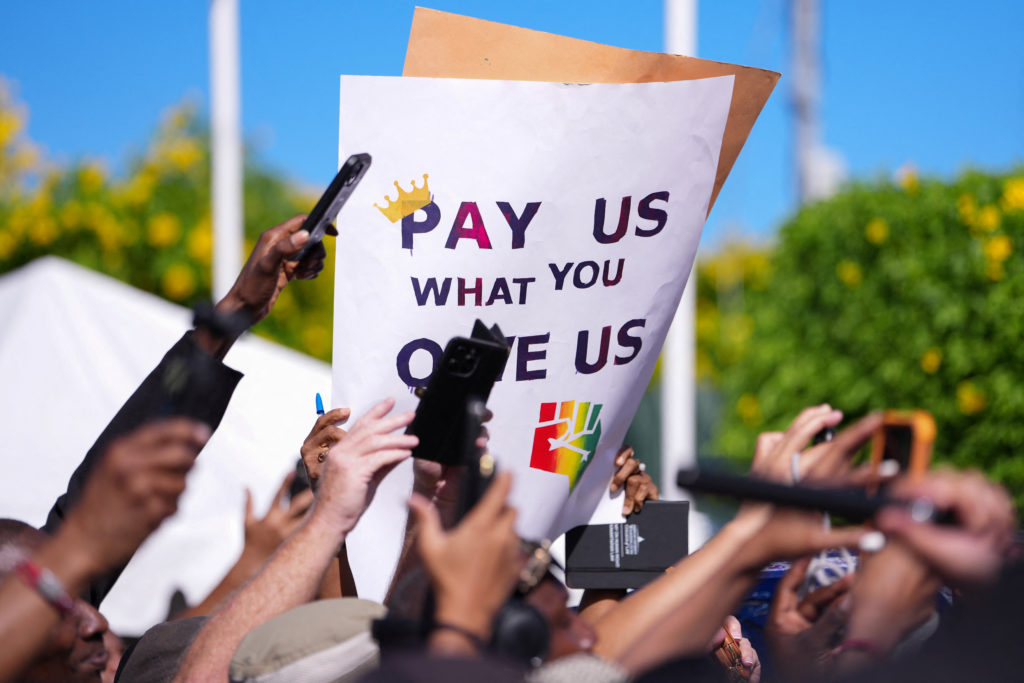
The push for reparations has intensified, with Caribbean and African countries advocating for acknowledgement and compensation. Earlier this year, the United Nations General Assembly passed a resolution supporting reparatory justice. The UK’s abstention from the vote reflects ongoing governmental hesitance.
Craig Prescott, a constitutional law expert, says Charles won’t apologize during the tour because he represents the government, which maintains reparation payments are not viable due to potential costs.
Appeal to Personal Reflection
Hilary Beckles, chair of the Caribbean Community’s reparations commission, urges Charles to view the issue from a human perspective, considering the tangible wealth his family amassed from slavery. This appeal goes beyond his official roles as head of the Commonwealth and the UK monarch.
A Challenge That Endures
Britain has navigated these discussions before, notably during the 2007 bicentennial of the slave trade abolition. However, critics like Toyin Agbetu highlighted commemorations as insufficient without full acknowledgment of slavery’s suffering.
Newman sees Charles’ challenge as ongoing, noting the lingering “afterlives of colonialism and slavery.” A nuanced, informed approach is necessary to address these historical ties fully.