
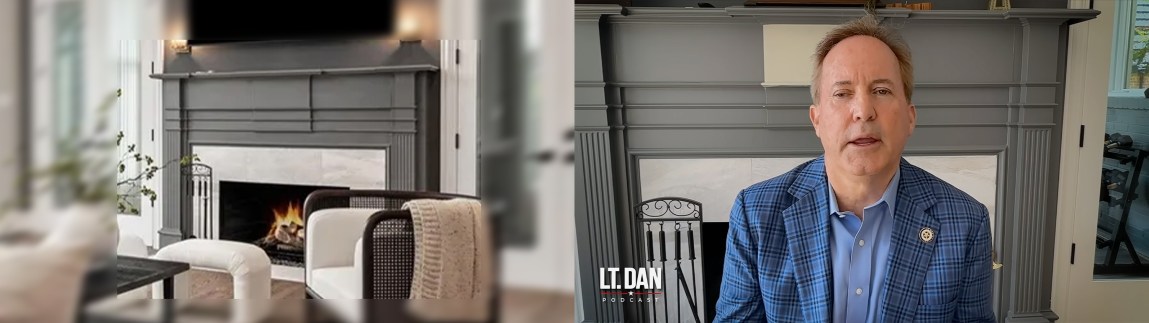
Texas Attorney General Launches Voter Fraud Tip Line
Two weeks prior to this year’s primary elections, Texas Attorney General Ken Paxton introduced a public tip line for reporting suspected voter fraud. Paxton emphasized the importance of free and fair elections, noting his commitment to stopping illegal voting activities.
The tip line’s announcement referenced guidance from Paxton’s office on Texas election laws. These rules demand U.S. citizenship, prohibit collecting mail ballots for others, and warn against misrepresenting residence for influencing election outcomes. He stated the necessity of registering to vote at one’s actual residence.
Paxton’s Alleged Voter Registration Issues
Contrary to his declarations, records suggest Paxton used an address where he didn’t reside to vote in six elections over the past two years. This includes May’s runoff election that secured his Republican nomination for U.S. senator. Despite moving out of his Collin County home, Paxton maintains this address on his voter registration.
While his wife Angela Paxton filed for divorce in 2025, citing adultery, she stated Paxton had relocated a year earlier. According to sources, he hasn’t returned to the Collin County residence. Paxton’s current whereabouts remain unclear, but sources indicate a connection to a Denton County home.
Legal Implications and Reactions
Several election lawyers have suggested Paxton might be violating the same Texas laws he vowed to uphold. ProPublica and The Texas Tribune questioned Paxton’s decision to remain registered in Collin County. His campaign responded defensively, claiming the report was baseless.
Voting under an incorrect address can result in severe penalties under Texas law. However, proving such cases can be complex, as residence determination involves various factors. The law permits voters to maintain registration at an address if absences are temporary and they plan to return.
Election lawyer Beth Stevens noted potential ambiguity if Paxton implied an intent to return without actual plans, especially given his marital status changes.
Professional Observations
David Becker, former voting rights attorney, pointed out challenges Paxton might face arguing his intent to return to a residence he doesn’t occupy. Becker highlighted the heightened expectations for Paxton, given his position enforcing election laws.
A past case involving alleged voter fraud prosecution by Paxton’s office involved individuals accused of falsifying residence addresses. This case failed to secure convictions, leading to dismissal by county prosecutors.
Criticism arises over Paxton’s possible non-compliance with laws, with election experts emphasizing that such behavior undermines public trust. Joshua Blank, a Texas Politics Project researcher, stressed that officials like Paxton should understand election laws clearly.
Residence and Campaign Implications
Information linked Paxton to a Denton County property, although he is not registered to vote there. In contrast, campaign documentation showed his continued voting in Collin County, which may contradict legal residence requirements.
Legal experts like Ekow Yankah stress that voter fraud allegations are typically overstated, and Paxton’s situation demonstrates the potential pitfalls of misinterpretation.
The controversy reflects broader political dynamics, particularly in high-stakes elections where role models in law enforcement face scrutiny over adherence to their own proclamations.