
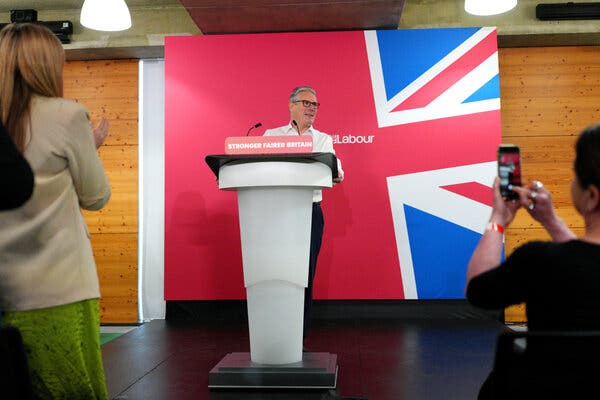
Prime Minister Keir Starmer of Britain is facing pressure to resign after significant losses in local elections. On Tuesday morning, he informed ministers at a cabinet meeting of his intention to remain in office. This decision represents one of a few challenging routes available to the beleaguered leader.
Defying Resignation Calls
Starmer confronted his critics, challenging them to formally oppose him if they believed they had sufficient backing. To initiate a leadership contest, opponents would need to rally at least 81 Labour lawmakers. As of Tuesday, it was unclear if this level of support existed.
No individual has publicly announced an intention to replace Starmer, possibly fearing the appearance of disloyalty. Party members are the ultimate deciders in choosing a successor, adding another layer of complexity. Starmer cautioned during the cabinet meeting that a leadership conflict could be detrimental to the country, alluding to potential economic harm.
Setting a Resignation Timeline
Another option involves Starmer outlining a resignation timeline, as urged by several Labour lawmakers. This approach might stabilize the financial markets by providing a clearer picture of government continuity, especially amid the current crisis in the Middle East.
Opting for this path would result in Starmer becoming a caretaker leader until a successor is selected. While this could delay his departure by several months, the move might ease immediate uncertainty, framing him as a temporary figurehead during the transition.