
FIFA sought a centrally located U.S. city with transit, hotels, soccer fans, and an NFL-sized stadium. While Chicago fit the profile, it opted not to pursue hosting duties, leaving Kansas City to seize the Midwest spotlight. Kansas City has embraced this opportunity, with no regrets about signing the deal that Chicago passed on.
At the recent IPW international travel conference, Illinois’ tourism promoters were celebrating Route 66’s centennial, while Kansas City promoted the significant event poised to gain global attention this summer. Devin Aaron, spokesman for Visit KC, stated, “This is the biggest thing Kansas City has ever hosted, and we want to knock it out of the park.” Kansas City’s efforts to present itself as America’s most enthusiastic soccer capital have paid off, attracting national teams from England, Argentina, the Netherlands, and Algeria to its base camps. These camps, involving team pairing with designated training facilities and secure hotels, are placing Kansas City prominently on the world stage.
Kansas City hopes its free viewing festival will become one of the tournament’s premier fan experiences, challenging other host cities to match its ambitions. Despite its investment in soccer facilities, Kansas City faces certain limitations. To boost weak public transit, additional buses are called into service. Hotel rates have soared, leading some fans to book rooms in nearby areas. Ticket prices are high, although resale prices are sometimes lower.
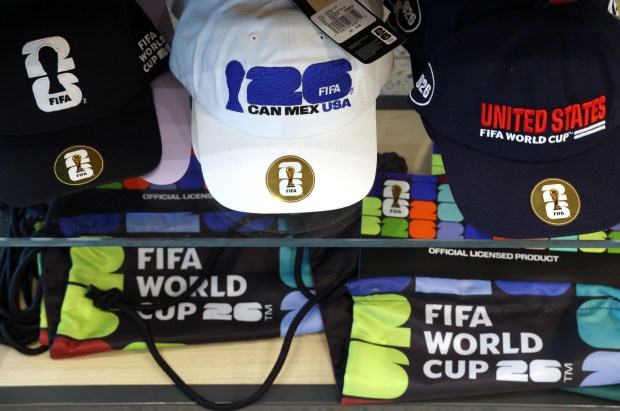
Federal investment in security and transit at host cities has been modest. Concerns over travel policies from President Donald Trump’s administration loom, deterring foreign soccer fans. U.S. Customs and Border Protection’s proposal to review social-media and extended-family backgrounds of foreign visitors and travel bans affecting soccer-loving countries have sparked fears. World Cup merchandise is already displayed at Kansas City Airport.
Nick Adams, special presidential envoy, downplayed foreign visitor concerns at the IPW travel conference, labeling them as myths. He emphasized that foreign tourists must adhere to U.S. laws to be welcomed. Nonetheless, foreign travel to the U.S. has decreased since Trump’s second term, with significant impact from his strained relations with Canada. Canadian travel to the U.S. fell by 22% last year, according to the U.S. Travel Association.
Despite these challenges, Kansas City welcomes foreign soccer fans and aims to attract visitors, including Chicago’s soccer enthusiasts. Chicago fans recently celebrated news of a privately funded stadium for the Chicago Fire soccer team.