
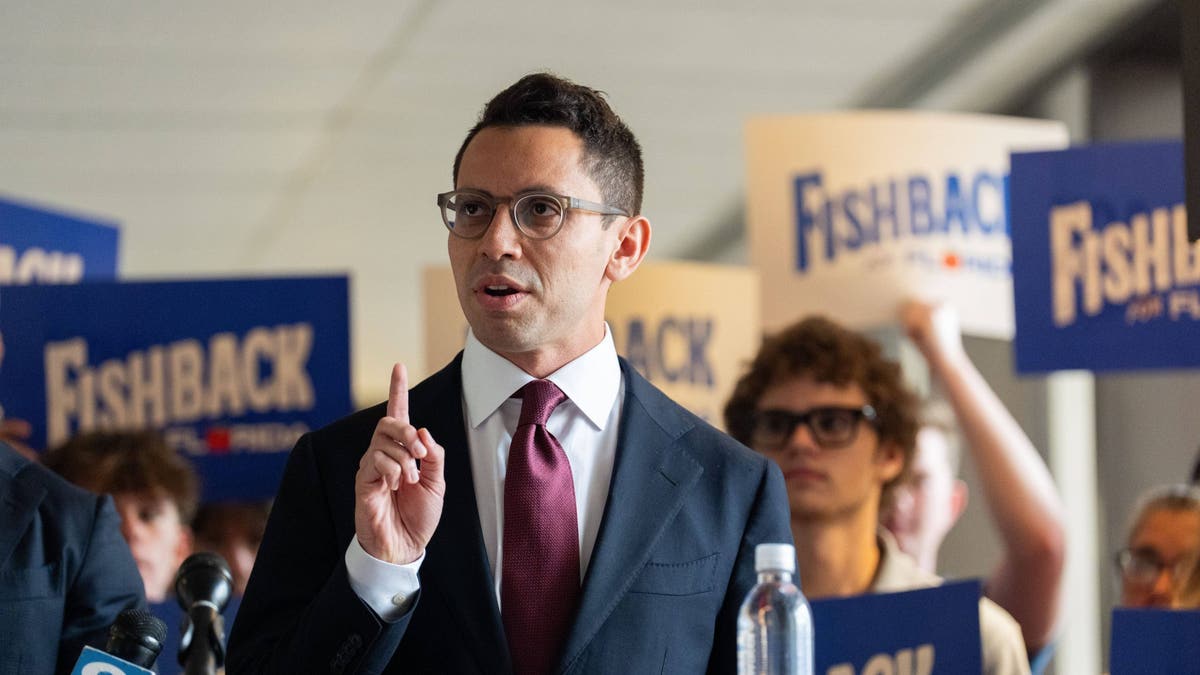
James Fischback, known for his controversial political views and past candidacy for Florida governor, was removed from a Miami-Dade Board of County Commissioners meeting recently. His protest centered on the county’s increased investment in Israel-backed bonds.
Before his removal, Fischback questioned the commissioners: Do you serve the people of Hialeah or of Haifa? Do you serve the people of Aventura or of Tel Aviv? Do you serve the people of South Miami or of Jerusalem?
He emphasized that funds should stay within the community, specifically Miami-Dade County.
This clash follows the county’s decision to increase its investment cap in Israel from 3% to 5%, allowing investments between $400 million and $450 million. Fischback opposed this move, especially considering the ongoing conflict in Gaza, which intensifies political tensions in the U.S. This situation has also strengthened his stance against U.S.-Israel relations.
Throughout his campaign, Fischback declined contributions from the American Israel Public Affairs Committee (AIPAC), pledging to divest from Israel-backed bonds. He argued against using taxpayer funds for foreign government bonds, citing Florida’s specific policy allowing investments only in Israel.
Other public members shared Fischback’s concerns. Ivar Fandel, wearing a let Gaza live shirt, addressed the commissioners: Item 5B does exist in the context of a budget crisis as well as a genocide against Palestinians in Gaza at the hands of Israel.
Fischback positioned himself as unique among Republican candidates by refusing AIPAC contributions and campaigning against the perceived allegiance to Israel. He criticized figures like Rep. Byron Donalds, accusing them of serving corporate interests and showing singular allegiance
to Israel.
Fischback’s remarks included inflammatory comments against Donalds, whom he labeled a slave
to donors and corporate interests. In public appearances, he has repeatedly used such language to provoke reactions.
The investment decision has sparked debate, highlighting the divide on U.S.-Israel relations amidst conflicts abroad and political dynamics domestically.