
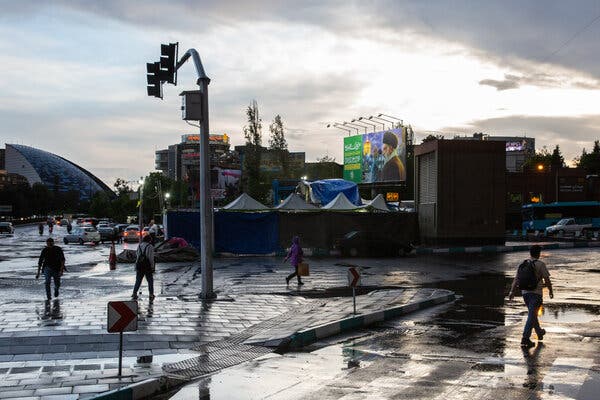
War and an imploding economy have left Iranians feeling hopeless. Both pro- and anti-government factions in Iran have been significantly affected. Many who dreamed of regime change are now grappling with disappointment.
Tehran, April. Daily life in Iran has become increasingly challenging. Since the war began, rampant inflation, civilian casualties, and infrastructure damage have worsened conditions.
In February, attacks by Israel and the United States against Iran raised hopes for some Iranians. They wished this might end decades of what they viewed as oppressive rule by the Islamic Republic. However, the strikes led to a shaky cease-fire that crushed these hopes. A reported 1,700 civilian deaths and widespread devastation have fueled feelings of despair.
The cease-fire offered a brief respite, yet tensions rose again on Sunday. Iran launched ballistic missiles against Israel, citing Israeli attacks in Lebanon. This action heightened fears of further Israeli retaliation.
The conflict extends beyond military actions. An economic crisis has caused prices for basic goods to soar. Key industries have suffered, and the effective closure of the Strait of Hormuz has exacerbated the economic decline. The strait is crucial for Iran’s oil exports.
Peace talks have been inconsistent. U.S. declarations that the war has ended, despite ongoing conflicts, add to the confusion. Interviews with over 20 Iranians from cities like Tehran, Isfahan, Ahvaz, and Mashhad reveal a mix of confusion and anxiety among citizens.
“I’m angry. I feel alone,” said Kimia, a 25-year-old designer in Tehran. “We don’t matter to the world; we’re only seen as tools for war and negotiation, but we are human beings.”