
The recent announcement of a potential end to the Iran war has sparked hope among global energy markets and world leaders. However, analysts caution that normalizing oil flow and reducing gas prices to pre-conflict levels may take months.
Optimism Over Truce
Washington and Tehran declared a ceasefire after over three months of intense fighting. The conflict had severely impacted Iranian infrastructure and regional energy facilities, leading to a blockade of the Strait of Hormuz. This situation was labeled by the International Energy Agency as the worst energy crisis in history.
The truce was welcomed by both sides as a victory. Pakistan, the mediator in negotiations, has confirmed a signing ceremony scheduled for June 19 in Switzerland.
President Donald Trump expressed optimism through Truth Social posts, urging vessels to prepare for resumed oil flow once the Strait reopens.
Current Status of Strait of Hormuz
Despite the announcement, shipping traffic monitors indicate that vessels are not yet passing freely through the Strait of Hormuz. President Trump assured that the passage would reopen without tolls by the signing date to facilitate mine removal.
Iran’s Deputy Foreign Minister Kazem Gharibabadi stated that the U.S. naval blockade would end entirely due to the agreement.
Concerns Over Deal Durability
Some remain skeptical about the deal’s longevity, given past negotiations were disrupted by ceasefire violations and mixed signals from President Trump. Political scientist Robert Pape criticized the agreement, calling it a “Memorandum of Disagreement” due to unresolved issues such as frozen Iranian assets and regional conflicts.
Energy economist Jorge León from Rystad Energy emphasized the importance of the truce’s stability and the leverage Iran may have gained. He noted the need for a conclusive agreement between the U.S. and Iran.
Impact on Gas Prices
Oil markets reacted to the agreement with a drop in West Texas Intermediate crude prices, reaching under $80 per barrel. Market analysts, like Daniela Hathorn, stress the immediate impact on oil prices from anticipated reopening of the Strait of Hormuz.
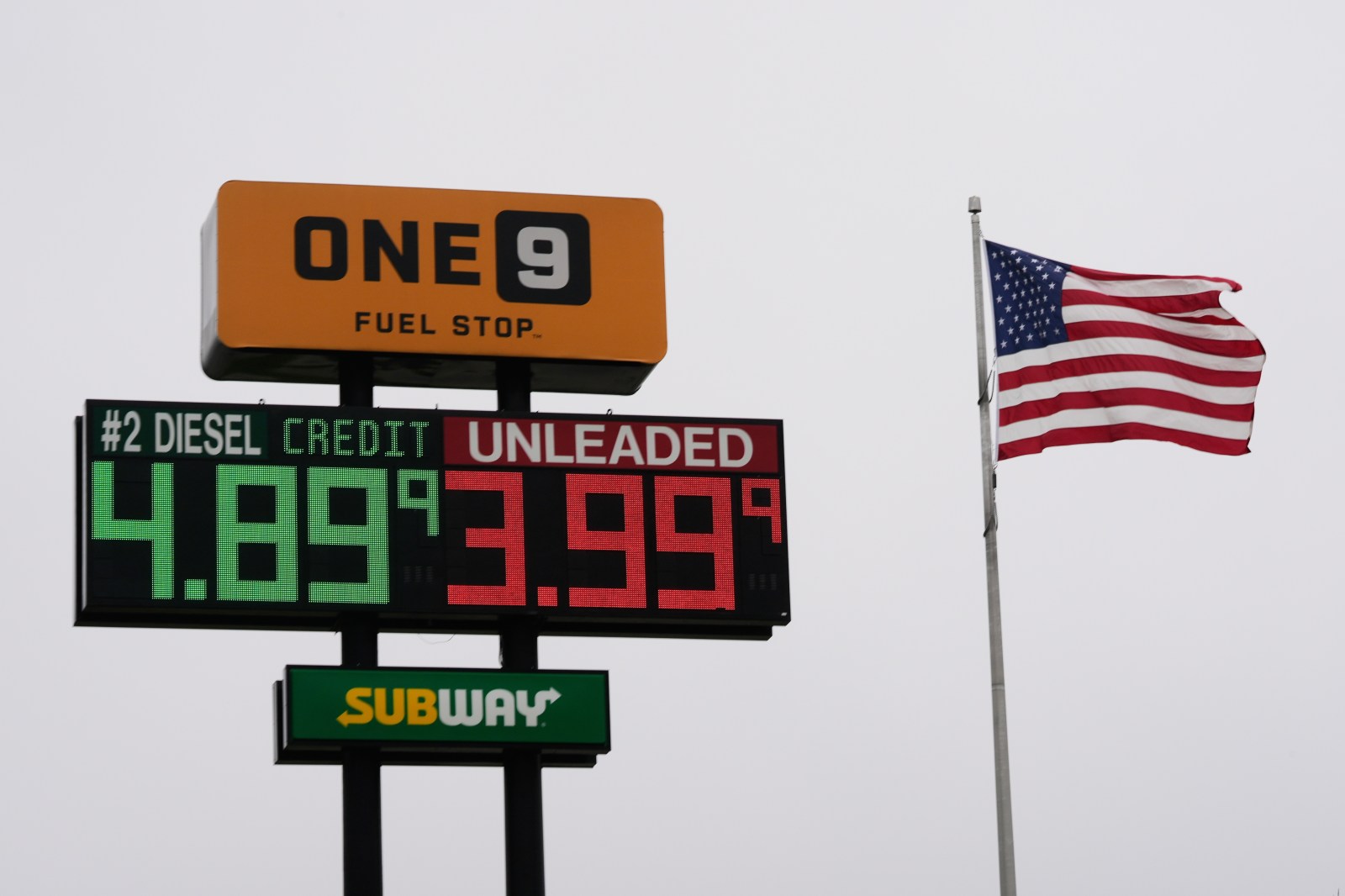
President Trump predicted a swift decline in gas prices upon conflict resolution, though analysts expect a slower process due to continued geopolitical uncertainties and infrastructure damage.
Carole Nakhle, CEO of Crystol Energy, explained that recovery in oil flows depends on the extent of the disruption being shipping rather than infrastructure-related. Gas prices will be influenced by geopolitical risk perceptions.
Harvard economist Willy C. Shih suggested prolonged recovery due to significant regional infrastructure damage.
Long-term Outlook
According to the U.S. Energy Information Administration, complete normalization of traffic in the Strait of Hormuz might take several months post-reopening. They forecast continued disruption to oil production. Gas prices likely won’t return to pre-war levels before the end of 2027.
Jorge León highlighted challenges such as mine removal and logistical backlogs that could delay flow normalization until late in the year.
U.S. gas prices will gradually ease as security risks reduce, but full recovery to prewar levels in the near term is unlikely. The process may extend beyond six months as risk premiums fade.