
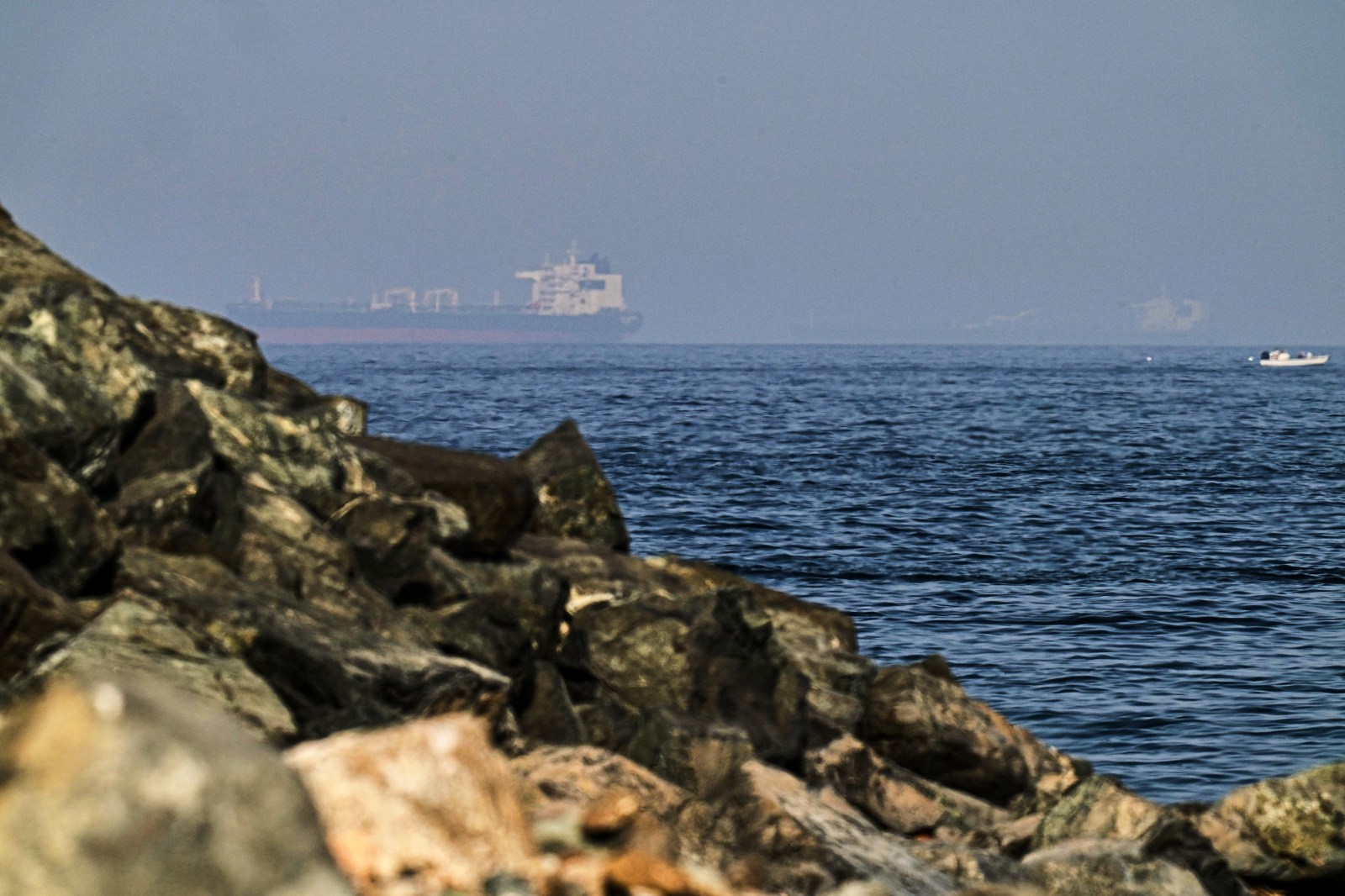
Iran’s Persian Gulf Strait Authority (PGSA) has introduced a new ‘Non-Compliant Vessels’ list. The list is aimed at ships accused of breaching Iranian regulations governing transit through the Strait of Hormuz, a vital global shipping route.
In an announcement on Sunday, shared via the PGSA’s official X account, the authority cautioned that vessels on this list might face transit restrictions in the future. These could include fines, detention, seizure, or confiscation. This move is part of Iran’s increasing efforts to regulate maritime traffic through the waterway amid ongoing conflict.
Since mid-March, Iran’s Islamic Revolutionary Guard Corps (IRGC) has been operating a ‘tollbooth’ system. Under this system, foreign-flagged vessels undergo rigorous vetting and pay a fee before they can travel through Iranian waters. Iran claims these charges cover maritime service costs, not tolls. Services provided include navigational assistance, vessel insurance, and environmental protection, administered jointly by Iran and Oman, according to Iranian Foreign Ministry spokesperson Esmaeil Baghaei.
The Strait of Hormuz is a critical global energy chokepoint, connecting the Persian Gulf to international shipping routes. A substantial portion of the world’s oil and liquefied natural gas exports passes through this narrow passage.
President Donald Trump commented earlier this month. He declared that once the U.S. ‘finishes defeating Iran,’ he might soon claim the strait as U.S. territory. He argued that Washington holds control over the waterway via its naval blockade on Iranian ports—a statement Iran dismisses as ‘delusion.’ Newsweek has requested comment from the White House regarding this statement.
The PGSA’s initiative could potentially disrupt shipping operations for those reliant on the strait. Vessels found in violation may face restrictions or penalties. Additionally, ships performing transfers or commercial activities with blacklisted vessels risk being added to the list.
Operation of the Non-Compliant Vessels List
Cargo owners dealing with goods to or from the Persian Gulf are encouraged to consult the list to avert difficulties during transit. The PGSA advises vigilance in chartering ships, given potential repercussions.
Non-compliant ships face restrictions on future Strait of Hormuz transits. The authority warns against engaging in transfers, transshipments, or commercial activities with blacklisted vessels, as this may lead to additional designations. Vessel operators seeking removal from the list must submit a request and explanation to the PGSA for evaluation.
The list, available on the PGSA’s website, will be updated as new vessels are identified.
Current Non-Compliant Vessels
Currently, the list comprises 46 vessels. These ships are flagged across 17 jurisdictions. Of these, nearly half—21 vessels—are under the Liberian flag, while seven are in the Marshall Islands. Other registrations include India, Saudi Arabia, Malta, Antigua and Barbuda, Panama, Singapore, Cyprus, Bermuda, Mali, Nicaragua, Pakistan, Kuwait, Oman, Barbados, and Togo.
The prevalence of vessels from open-registry countries like Liberia and the Marshall Islands underscores the international complexity behind the vessels targeted by Iranian authorities.
Future Implications
Shipping entities, charterers, and cargo owners will likely examine the list closely to determine potential impacts on their operations. Maritime industry observers are poised to watch for Iranian actions against designated ships.
This development introduces further uncertainty to shipping in the Strait of Hormuz, an area already influenced by geopolitical tension and security concerns throughout 2026. The effects on goods pricing, increased since the conflict began, remain uncertain.