
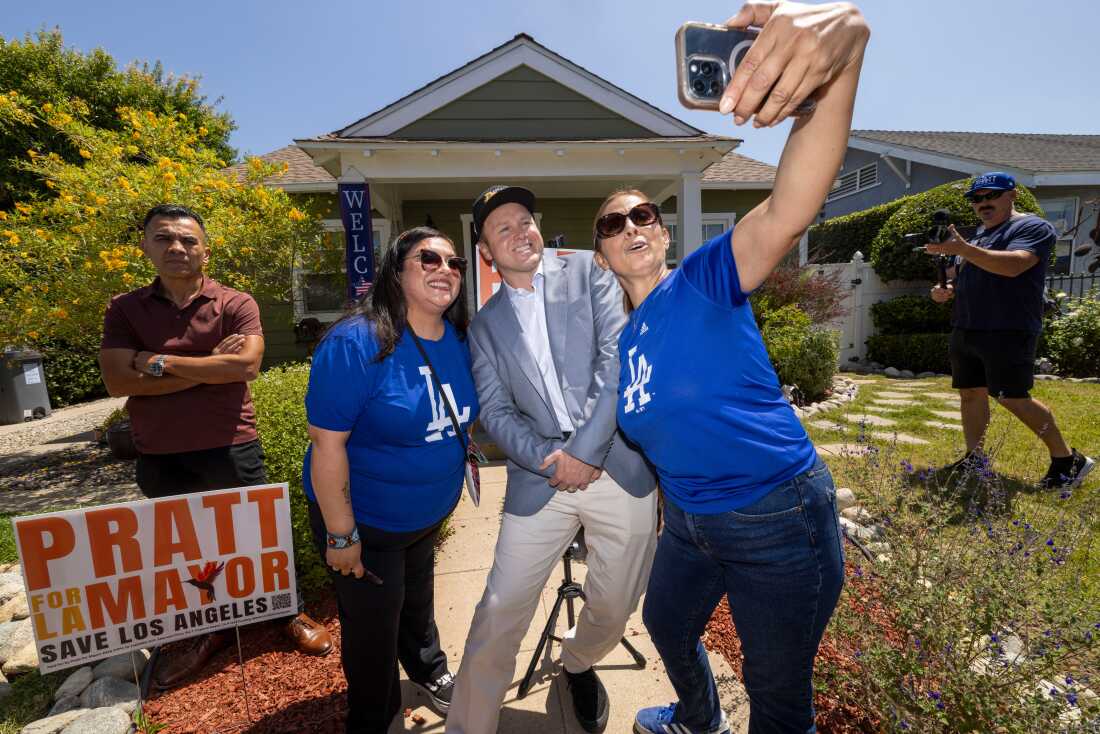
Spencer Pratt, a former reality TV star backed by MAGA, found himself amid controversy during the Los Angeles mayoral election. As the vote count dragged on, conspiracy theories blossomed on X, claiming a fraudulent attempt to prevent Pratt from securing the second-place spot for a November runoff against Democrat Karen Bass.
Speculation intensified as people pointed to fluctuating betting odds on platforms like Kalshi and Polymarket as proof of vote manipulation. Influencers shared these theories, often in sponsored posts.
“They are actually doing it. They are counting votes until SPENCER LOSES. Someone DO SOMETHING,” wrote influencer Mila Joy, directing her followers towards Polymarket’s odds graph.
Another commentator, David Freeman, openly questioned, “Is CA cheating to get Spencer Pratt out?” He shared a Kalshi post showing odds for Pratt against Nithya Raman. Despite these claims, Raman surpassed Pratt in votes, confirmed by the Associated Press the following Monday.
The use of betting odds to question election integrity is a growing trend. Kalshi and Polymarket were involved in sponsoring posts, leading to widespread misinformation, with millions invested in influencer partnerships to boost their reach. Emerson Brooking from the Atlantic Council notes this trend aligns with influencer goals to attract attention by questioning election outcomes.
Kalshi and Polymarket have reevaluated their partnerships. After inquiries from NPR, Kalshi instructed influencers to remove certain posts. Polymarket also pulled back sponsorships but did not require post deletions.
Brendan Nyhan from Dartmouth College criticized companies paying to spread misinformation. Influencer partnerships can blur the lines between market predictions and actual election probabilities, leading to confusion.
Behind the Influencer Partnerships
Kalshi and Polymarket’s strategy involved offering up to $500 per post, yet this approach led to debates within these companies. They recently prohibited affiliates from questioning election integrity.
Kalshi previously cut ties over controversial posts, while Polymarket was more lenient, even collaborating with former Rep. Matt Gaetz.
FTC rules require disclosure of sponsored content, but enforcement by the Trump administration has been minimal.
Understanding Election Fraud Claims
The Los Angeles mayoral race became a fertile ground for conspiracy theories. Pratt, a Republican, saw favorable odds but trailed in polls. Social media posts misrepresented betting odds as public sentiment.
California’s slow ballot counting process fueled fraud allegations. Mail-in ballots, often Democratic, take longer to count, leading to baseless fraud claims.
Election experts highlight the challenges posed by these conspiracy theories. False claims threaten to undermine future elections, especially with more ballots dropped off late this year.
“They are doing what they’ve always done — counting all the ballots…yet the profiteers and grifters are loudly echoing our foreign adversaries in spreading lies,” said David Becker.
President Trump accused the race of being “rigged” despite lacking evidence. The Los Angeles U.S. Attorney’s office continues to investigate election fraud claims. Election experts warn of increased denialism as midterms approach.
Stephen Richer, now with the Cato Institute, recounts past experiences with baseless claims using misleading graphs. He expects similar tactics in upcoming elections.