
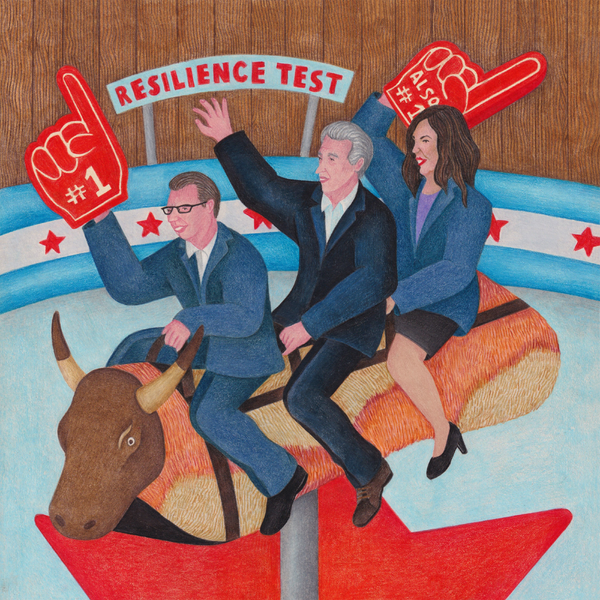
Richard Thaler, a Nobel laureate in economics and a professor at the University of Chicago, has contributed significantly to the understanding of human decision-making. His insights into behavioral economics have influenced various sectors, including politics. Thaler is currently considering the Democratic Party’s process of selecting its presidential nominee, particularly for the 2028 election, which he believes is of critical importance. David Leonhardt, an editorial director at Times Opinion, recently interviewed Thaler about common decision-making errors in organizational hiring and their implications for political nominations.
David Leonhardt: Your research has outlined numerous ways in which our decisions fall short. Could you detail the most frequent errors organizations encounter when hiring? After all, a political party’s nomination process resembles hiring someone to fulfill a job, which is to secure an election victory.
Richard Thaler: Hiring is inherently challenging, and the difficulty amplifies as you ascend the organizational ladder. The most accurate job performance predictions stem from task-specific tests. For instance, if hiring a chef, you’d request them to prepare a dish. However, assessing whether they can manage a large team in a bustling restaurant setting is considerably more complex. What measurable test can assess that capability?
In situations lacking a direct correlation to job performance, many rely on interviews, which are generally flawed. Unstructured interviews yield minimal predictive value concerning future job success.
One notable example highlighting the difficulty of selecting successful leaders is the substantial turnover in head coaches within major sports. Last year, nine out of 32 NFL teams terminated their head coaches, with another resigning. Despite thorough selection procedures and proven track records, over 30% turnover occurred within a single year.
The selection process for a presidential candidate carries immense significance. The Democratic Party aims to choose someone capable of excelling in an exceptionally demanding role and who can prevail in a popularity contest set for 2028. Some candidates will lack national election experience, and none possess experience encompassing all presidential responsibilities, making realistic job trials impractical. Nevertheless, I believe enhancements to the process are feasible and worthwhile.