
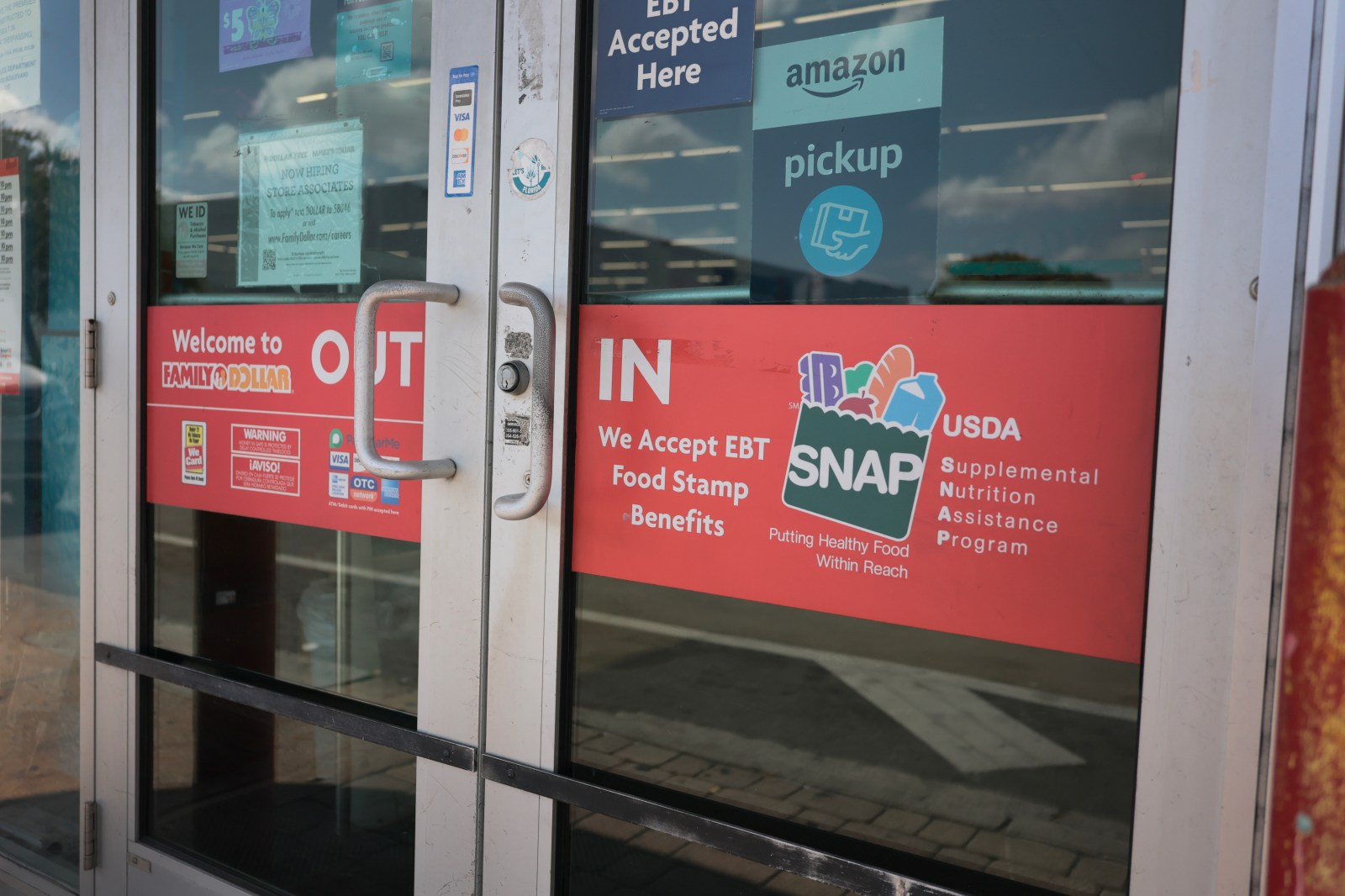
Millions of Americans relying on government safety net programs face significant changes due to new rules from President Donald Trump’s budget law, taking effect next month. These changes will impact both the Supplemental Nutrition Assistance Program (SNAP) and Medicaid, the health insurance program for low-income individuals.
Experts indicate these reforms may improve accountability and reduce federal spending, yet they could also increase hardships for vulnerable households. They will shift billions in costs to states, according to Alex Beene, a financial literacy instructor at the University of Tennessee at Martin.
Why It Matters
SNAP assists over 40 million people monthly, while Medicaid provides health coverage to tens of millions of low-income citizens and individuals with disabilities. Starting on October 1, new rules from the One Big Beautiful Bill Act will introduce financial pressures for states and require new criteria for many beneficiaries.
What to Know
States Will Pay More to Administer SNAP:
Beginning October 1, the federal government’s contribution to SNAP administrative costs will decrease from 50 percent to 25 percent. This requires states to cover 75 percent of the program’s expenses. The U.S. Department of Agriculture implements this change following the One Big Beautiful Bill. Affected administrative costs include caseworker payments, fraud prevention, and tech platforms used for benefit processing.
State officials caution that the shift may force tough budget decisions. Although the law doesn’t directly reduce benefits, increased costs could prompt states to reduce admin staff, slowing enrollment processing.
New SNAP Cost-Sharing Arrives Later:
In October 2027, certain states will be required to fund SNAP benefits if payment error rates exceed federal thresholds. Historically, SNAP benefits have been funded entirely by the federal government.
Medicaid Coverage Will Narrow for Some Immigrants:
Starting October 1, changes in Medicaid eligibility will affect many lawful non-citizens. Federal Medicaid funding for full-scope coverage will generally be restricted to U.S. citizens and nationals, lawful permanent residents, Cuban-Haitian entrants, and citizens of Compact of Free Association nations. Refugees and trafficking survivors may lose access unless state funds provide coverage.
Emergency Medicaid coverage remains available, and states can maintain specific coverage options for eligible children and pregnant individuals under existing laws.
Medicaid Work Requirements Are Also Coming:
The law requires certain able-bodied adults between ages 19 and 64 to complete at least 80 hours per month of approved activities to maintain Medicaid eligibility. These activities include employment, job training, education, or community service. The rule aims to boost workforce participation while protecting vulnerable populations.
CMS Administrator Mehmet Oz stated this approach helps Americans build skills and independence through work, education, job training, or community service, creating new opportunities. Concerns remain about potential lost benefits and higher debts for struggling individuals.
Supporters view these policies as promoting responsibility among states, though critics fear savings may arise from denying benefits due to administrative barriers rather than financial improvements.
Feeding America described the bill as one of the largest SNAP reductions in decades, warning that increased state costs could tighten budgets and decrease food assistance access. Claire Babineaux-Fontenot, Feeding America’s CEO, emphasized the potential for worsening food insecurity nationwide.
What Happens Next
The SNAP administrative cost changes and Medicaid immigrant eligibility restrictions begin October 1. Proponents argue work requirements will drive employment, reduce improper enrollment, and direct Medicaid resources to eligible beneficiaries. Kevin Thompson, CEO of 9i Capital Group, noted many affected beneficiaries already work, with extra reporting potentially causing eligible people to lose coverage.