
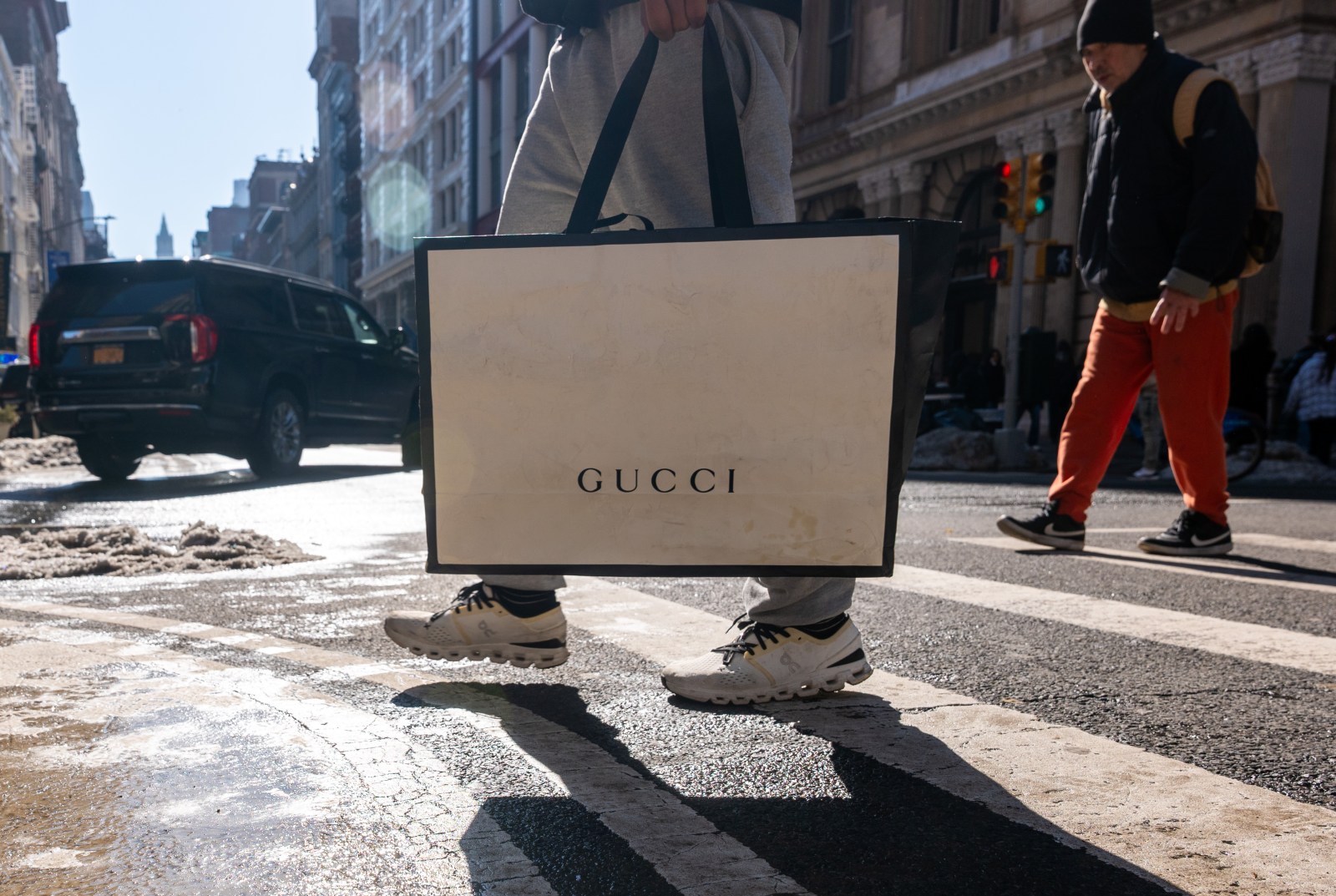
The U.S. economy today shows a stark divide between wealthy spenders and those facing financial challenges, a disparity growing alongside persistent inflation. Consumers drive about two-thirds of economic activity, but spending increasingly comes from a smaller pool of affluent households.
A recent Bank of America study reveals that the top 10% of earners contribute as much to spending as the bottom 40% across all major categories. More striking, these top earners spend nearly as much on discretionary items as the bottom 70% combined.
Role of Affluent Consumers in Spending Trends
Recent reports from the Department of Labor show inflation climbing to a three-year peak. Although some labor market signs are positive, rising prices have knocked consumer confidence to near-record lows. Yet spending remains robust, with May seeing acceleration even as costs jumped, suggesting affluent consumers are maintaining expenditure levels.
The Bank of America Institute emphasizes this skewing of discretionary spending towards wealthier households. Discretionary categories are vital as they indicate consumer spending health. Researchers warn that as long as affluent patrons continue spending, inflation may persist.
Influence of America’s Wealthier Consumers on Inflation
Higher-income households dominate discretionary spending sectors like dining, travel, and luxury goods. Their behaviors increasingly shape demand, showcasing a “K-shape” economic trend. Here, wealthier Americans prosper and spend, while lower-income communities hold back.
This dynamic keeps demand high, reducing business motive to cut prices and enabling some sectors to hike costs. Should affluent Americans persist in spending despite higher rates, inflation might linger even amid affordability struggles for many lower-income households.
Impact of International Negotiations on Inflation
Federal Reserve Chair Kevin Warsh attributes elevated inflation primarily to “supply shocks” due to the Iran war. Yet, recent negotiations between the U.S. and Iran have prompted sharp declines in oil prices and domestic fuel costs. Addressing this at a European Central Bank Forum, Warsh noted reduced inflation “risks” and expectations, while underscoring the central bank’s ongoing 2% target.