
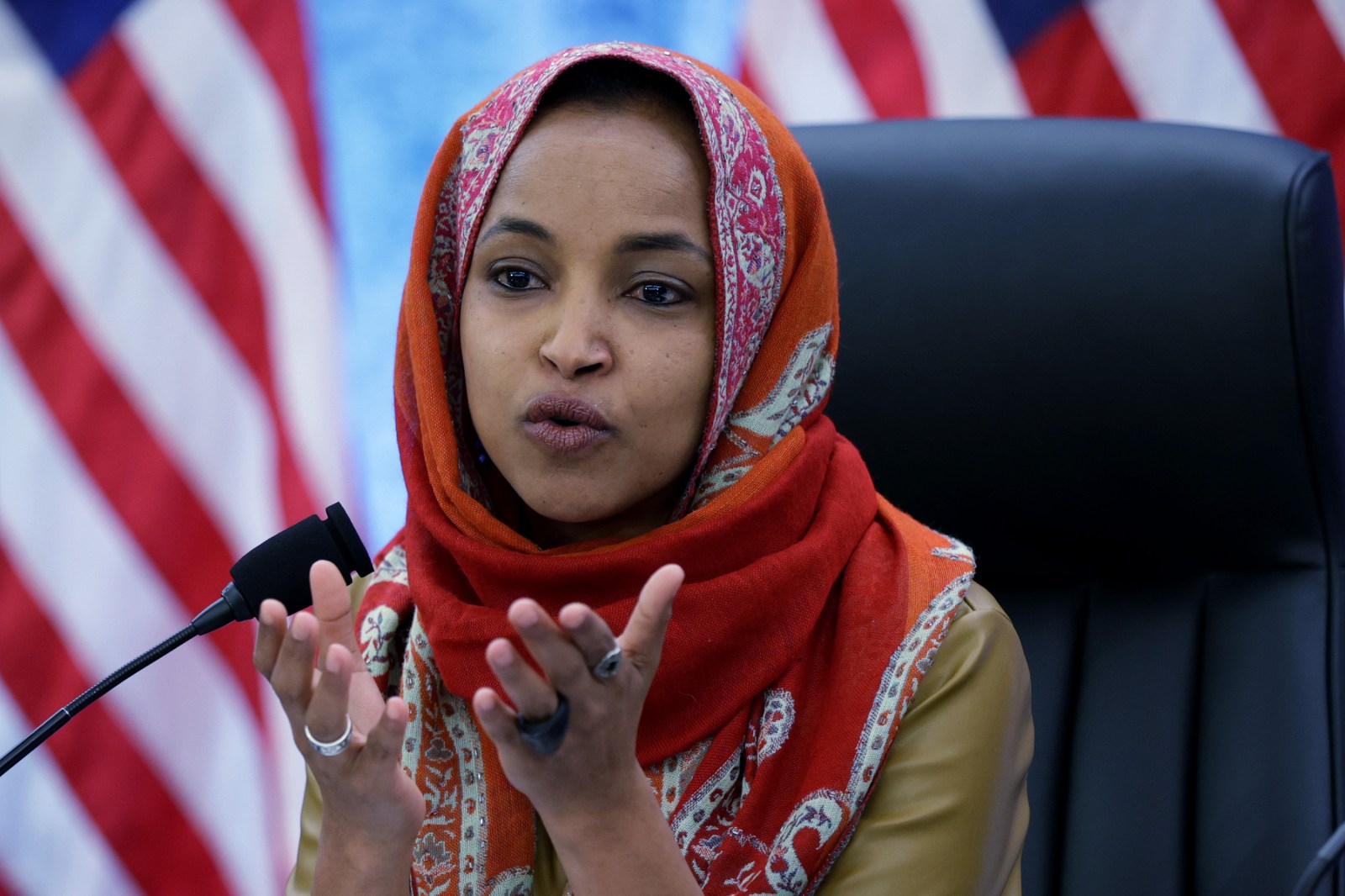
Ilhan Omar provides a detailed account of her early life in her memoir, “This Is What America Looks Like: My Journey From Refugee to Congresswoman,” where she discusses her childhood in Somalia disrupted by civil war. The Minnesota Democrat recounts the challenges her family faced as they fled Mogadishu, journeying through Somalia and Kenya before resettling in the United States.
Controversies and Allegations
Throughout her political career, Omar has faced allegations from MAGA hard-liners and conservative figures about her former husband, Ahmed Nur Said Elmi. Omar strongly denies claims that Elmi is her brother or that their marriage was fraudulent. Investigations included a search of Omar’s home by federal agents and her sister, Sahra Noor, voluntarily speaking with investigators. However, no court has found Omar committed immigration fraud.
The memoir frequently mentions Ahmed Abdisalan Hirsi, Omar’s first husband. Elmi, whom Omar married in 2009, is notably absent from Chapter 11, covering between 2009 and 2011.
Age Discrepancies
Jim Geraghty, from the National Review, raised questions about Omar’s birth date based on a chapter titled “War: 1989-1991, Mogadishu, Somalia.” Omar writes, “I was eight years old when civil war broke out in Somalia,” suggesting she would be born in 1981. However, Omar later describes 1992 as “the year after the war began,” aligning with her official birth date of October 4, 1982.
Public descriptions of the war’s onset vary, with the U.N. stating Siad Barre fell in January 1991, while other accounts place the beginning in late 1990. Omar’s memoir does not consider earlier events like the July 1989 riots as the war’s start.
Lifestyle and Political Challenges
Omar mentions her transition away from the hijab at 16, returning to it at 23. She describes herself as a “twenty-year-old mom” pursuing an associate degree. Will Chamberlain questioned her age further by referencing her memoir statement, “I was thirty years old” during her African trip in 2011. However, Omar mentions multiple timelines in her memoir.
Some suggest that as a woman, I meddle in political affairs and need to be ‘put in my place.’
Omar faced backlash regarding her political roles and opinions, as written in a 2014 Minnesota Star Tribune op-ed, maintaining her listed birth age.
Resettlement in the U.S.
Omar’s memoir recounts her family’s discussions to move to America from the Utange refugee camp in Kenya, despite her hesitation. Her father’s reassurances about America led them through refugee resettlement. Officials recorded names and birth dates during interviews, although the memoir does not disclose Omar’s recorded date.
The family completed health screenings and vaccinations before departing for the U.S., settling in Arlington, Virginia. Omar’s initial views of America differed from expectations. Despite health challenges and cramped housing, her family adjusted, acquiring Social Security cards and undergoing medical screenings.