
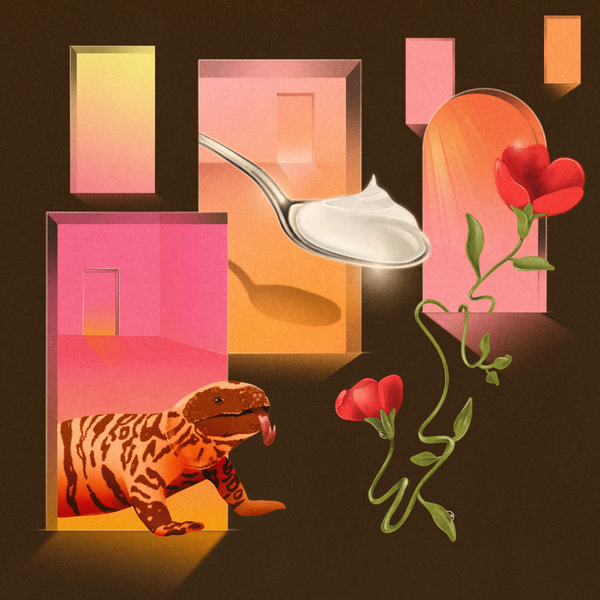
Jeff Coller, the director of the RNA Innovation Center at Johns Hopkins University, discusses the impact of a discovery made in the early 1990s involving the Gila monster, a desert lizard that can survive for months without eating. A physician-scientist, John Eng, became interested in the lizard’s ability to maintain stable blood sugar levels during these periods of fasting.
Eng, working with a colleague at a Veterans Affairs hospital, studied the Gila monster’s venom with minimal funding. They identified a molecule in the venom that mimicked a human gut hormone but remained effective for hours rather than minutes. Eventually, a synthetic version of this molecule was developed, leading to the creation of GLP-1 drugs. These drugs, known today through names such as Ozempic and Wegovy, are revolutionizing the treatment of diabetes and obesity. They also show promise for heart disease and other medical conditions, potentially saving tens of thousands of lives annually.
However, the infrastructure that made this transformation possible is now unraveling. In 2025, the Trump administration either froze or canceled large sums of research grant funding. Although courts have mandated the release of some frozen funds, and Congress has rejected proposals to cut agency budgets further, the situation remains dire as the administration still holds control over the financial decisions.
Over the last year and a half, fewer research grants have been funded monthly compared to previous years. The administration has suggested a new rule requiring federal grants to be endorsed by political appointees and aligned with the president’s policy objectives, potentially slowing the grant-making process even further.
This funding decline has severe consequences. Graduate programs at leading research universities have decreased admissions, particularly affecting future scientists. A notable example is Rachael Sirianni, a cancer researcher who described the near impossibility of obtaining funding for her promising drug combination for treating children with brain tumors.
The lack of support for researchers curtails pursuing unconventional questions crucial for medical advancements. Historical breakthroughs often resulted from such inquiries. For instance, a sample of soil from Easter Island led to rapamycin, a drug crucial for preventing organ transplant rejection. Similarly, studying bacteria in yogurt introduced CRISPR gene editing, a technique now used to address genetic disorders like sickle cell anemia. In 2025, CRISPR was tailored to correct a lethal mutation in a newborn, showcasing its potential.