
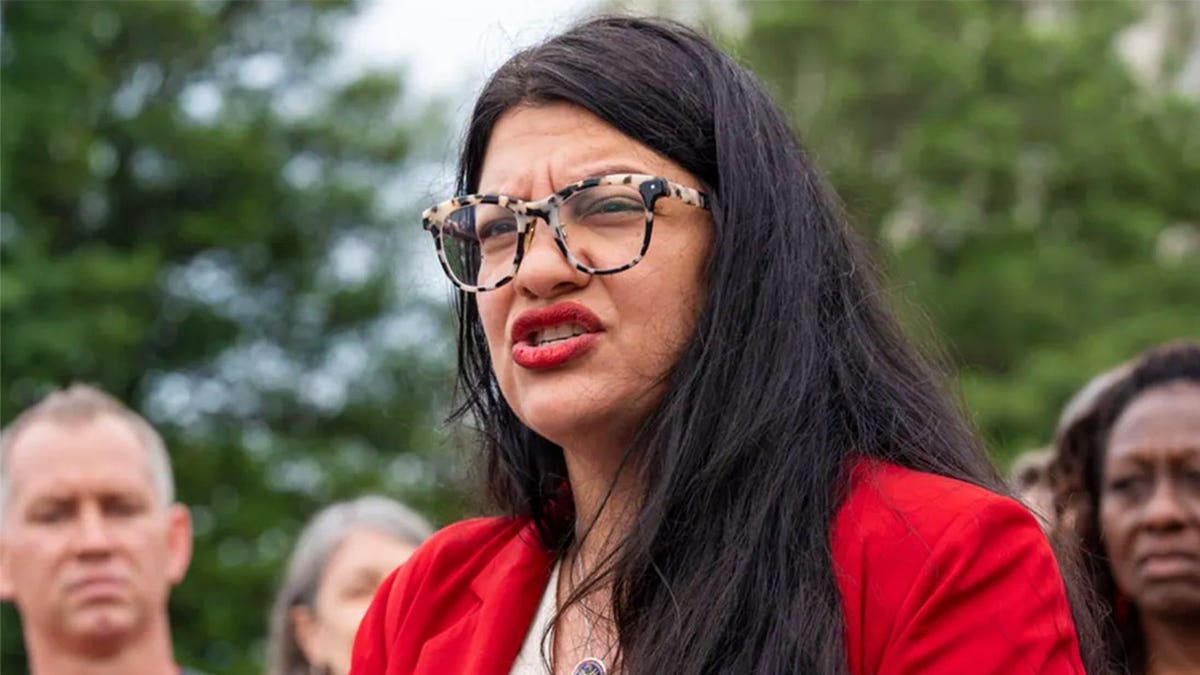
The phrase “words taken down” often indicates tensions on Capitol Hill, particularly in the House of Representatives. Recently, such a clash occurred while lawmakers debated a war powers resolution concerning Lebanon. The debate centered around Rep. Rashida Tlaib, D-Mich., who pushed the resolution aiming to restrict President Trump’s military actions in Iran. Tlaib, a Palestinian-American, is one of the two Muslim women in Congress and frequently voices her criticisms against Israel.
Tlaib stated, We must end U.S. participation in the Israeli apartheid regime’s invasion of Lebanon. The Israeli military targets journalists like Amal Khalil and uses our tax dollars to commit war crimes.
The House witnessed a heated exchange when Rep. Max Miller, R-Ohio, aggressively confronted Tlaib, mentioning Hezbollah.
Its members are butchers that you like to hang out with to a certain extent. Yes, you advocate for terrorists on a daily basis. You advocate for a terrorist regime every single day,charged Miller, who is Jewish.
Tlaib responded vocally, though her words were not recorded as she wasn’t near a microphone at that time. Miller then sarcastically questioned Tlaib’s emotional reaction, prompting further outbursts.
Rep. Jay Obernolte, R-Calif., attempted to restore order by pausing the session, asking for respectful debate on this serious issue.
Tlaib approached a microphone to formally respond, Yes, Mr. Speaker, I am. That is a direct attack on my character. I please request to strike the words down,
she declared. Her motion halted the ongoing debate and all activities in the House until the issue was resolved.
The process of “words taken down” involves documenting words spoken by a member that might violate decorum rules. The House prohibits personal attacks on fellow lawmakers and impugning colleagues’ motives. Tlaib accused Miller of breaking these rules with his remarks.
If a member is found to violate these rules, House leadership can ask them to retract their statement and apologize. If the member refuses, they might be ruled out of order and suspended from speaking for the day.
After an hour, it became clear Miller would not retract his words. Obernolte announced that Miller’s remarks impugned Tlaib’s patriotism and loyalty, deciding the comments violated House decorum and ordered them removed from the record.
Rep. Brian Mast, R-Fla., who managed the debate for the GOP, supported Miller, reading a message on his behalf, where Miller stood by his comments.
Yes, I said it. I own it. And I stand by it,he declared.
Attempts by Mast to include documents into the record relating to Tlaib were met with objections from her.
The incident paralleled a past event witnessed in 1994 involving Rep. Maxine Waters and then-Rep. Pete King. Speaker Tom Foley stepped in during that dispute, highlighting the seriousness such conflicts can entail.
In a related question about AI’s potential to handle similar disputes, Obernolte expressed confidence in AI managing rule compliance effectively based on predetermined rules manuals. He believed his ruling was correct and assumed AI would concur.
The possibility of AI mediating House disagreements prompts concerns about increased use of remarks that might need to be taken down if AI ever becomes the arbiter in such conflicts.