
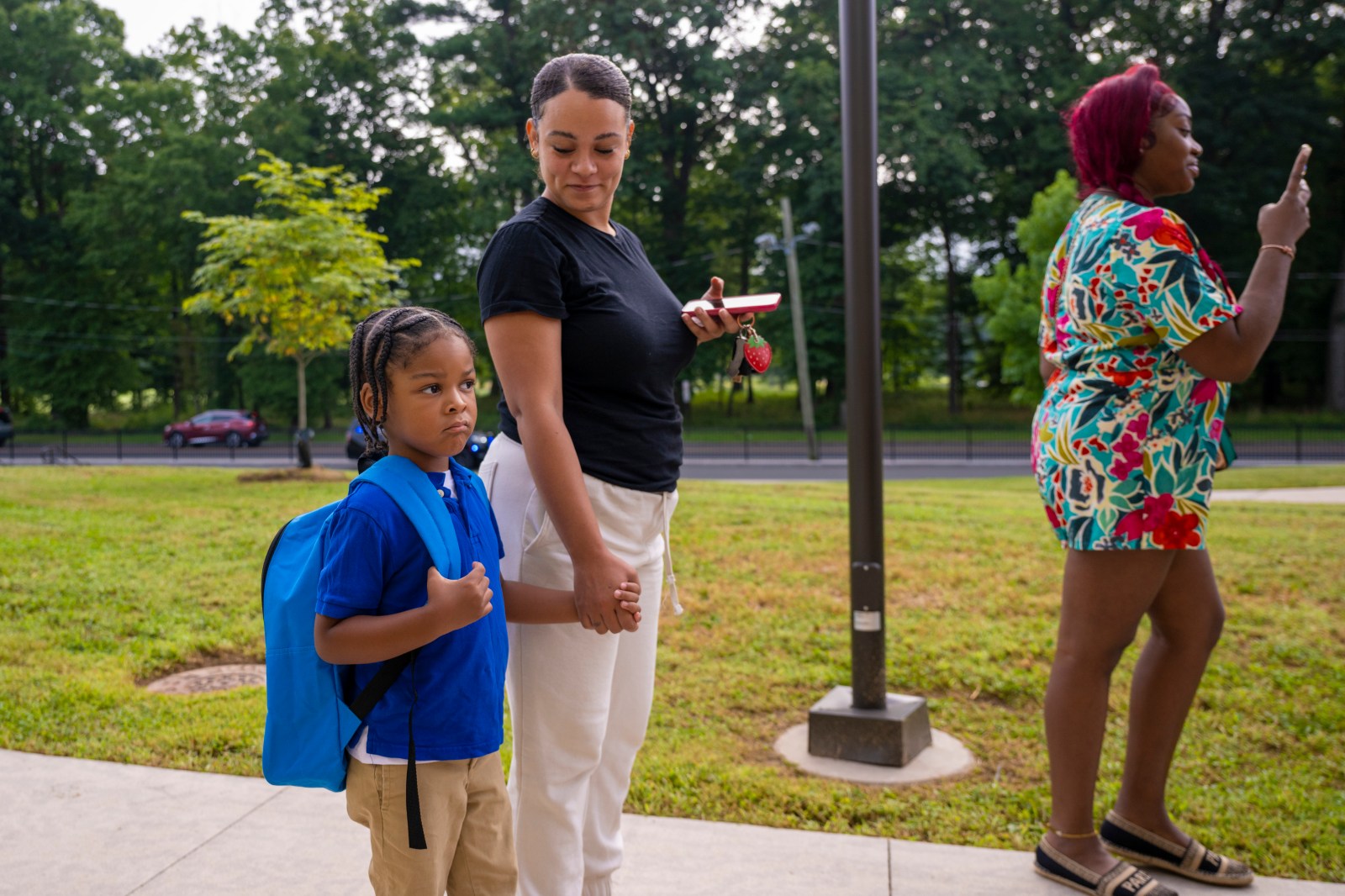
A recently introduced bill in the House could provide millions of workers with job-protected leave for school and youth activities. Named the Family Leave for Parental Involvement in Education Act, it was proposed by Representative Frederica Wilson of Florida on August 31. This bill aims to amend the Family and Medical Leave Act (FMLA) and federal employee leave rules, introducing a new leave category specifically for parental involvement in educational and extracurricular activities.
Under this proposal, eligible workers could receive up to eight hours of leave every 30 days and up to 48 hours annually for participating in school or community activities. This leave would be additional to other forms already available under the FMLA.
The bill defines qualifying activities and locations, allowing parents of younger children and school-age children to use the leave for activities such as:
- Parent-teacher conferences
- Classroom events
- School performances
- Sports activities
- Scouting programs
- Educational meetings
This leave could be utilized intermittently, not solely in one block, facilitating attendance at various events throughout the year. Schools broadly encompass elementary schools, secondary schools, Head Start programs, and childcare facilities.
Employers could require documentation supporting leave requests, with employees needing to give notice at least seven days in advance, or as much notice as possible when seven days is impractical.
Importantly, this leave would not diminish existing FMLA leave allocations. Nevertheless, if parents or grandparents choose paid time for such leave, employers might necessitate substituting paid time off, vacation, personal leave, or sick leave. If paid time off is unwanted or unavailable, the leave may occur as unpaid.
Eligibility Under the New Bill
Eligibility would align with FMLA’s current rules. The bill doesn’t establish a universal entitlement, but adds a qualifying reason within FMLA’s structure.
The legislation allows leave for activities involving a worker’s child or grandchild. A grandchild is identified as the offspring of an employee’s child. Like private sector workers, eligible federal employees would benefit from amending Title 5 of the U.S. Code, obtaining up to eight hours of leave every 30 days and up to 48 hours annually for activities tied to education.
Potentially, millions of American workers stand to gain from this additional leave alongside federal employees and FMLA-eligible private sector employees.
The FMLA’s Nature
The FMLA, enacted in 1993, guarantees job protection during qualifying leave but doesn’t mandate paid leave. Instead, it ensures eligible employees can take leave without job loss and generally return to the same or equivalent position.
Republican Support
Despite the Trump administration prioritizing parental issues, Republican support remains unclear, as no cosponsors are attached to Wilson’s proposal. The FMLA faced Republican opposition initially, but over time, debates shifted towards compensation and funding mechanisms for leave.
President Trump’s first term saw enactments providing paid parental leave for many federal employees, establishing the first nationwide paid parental leave benefit for federal workers. Separately from FMLA, tax-credit incentives for employers providing paid leave were expanded.
The bill, requiring House committee consideration, needs endorsement by Republican chairs for a committee vote. Success in committee advances the bill toward a full House vote, contingent on Wilson securing additional Republican support.