
Observed Events on September 3
Chicago’s history has been marked by several key events, particularly noteworthy ones on September 3. From labor movements to technological advancements, this date highlights a series of impactful occasions in the region’s past.
Labor Day Origins: 1894
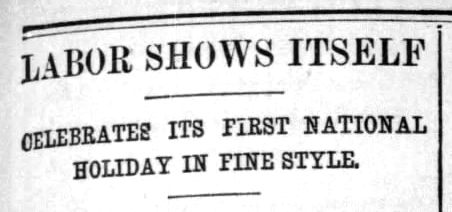
On September 3, 1894, approximately 6,500 local tradesmen and union members, despite rain, gathered to celebrate the first Labor Day in the United States. These included carpenters, painters, plumbers, gas-fitters, and tile-layers who marched to Ogden’s Grove in a grand procession. Their participation marked a significant moment in the history of labor movements, reflecting the growing importance of worker’s rights.
Weather Records
Chicago has seen its share of varied weather on September 3, according to the National Weather Service. Historical highs reached 97 degrees Fahrenheit in 1953, while lows fell to 47 degrees in 1974. The city also experienced notable precipitation with 1.92 inches recorded in 1961.
Olympic Achievement: Charles Dvorak
In 1904, Charles Dvorak of the Chicago Athletic Association returned to Olympic competition in St. Louis after missing a gold medal in 1900 due to scheduling confusion. He set an Olympic record in pole vaulting with a height of 11 feet, 6 inches, using a lighter bamboo pole. This achievement marked a unique advancement in sports techniques and equipment, demonstrating innovation alongside athletic skill.
Tracking the Fugitive: 1906
In 1906, the Chicago Tribune played a key role in capturing Paul Stensland, president of Milwaukee Avenue Bank, who fled with more than $1 million. Reporters tracked him down in Tangier, Morocco, leading to his surrender. James Keeley, managing editor of the Tribune, was rewarded with $5,000 for Stensland’s capture, which he returned to the defrauded bank. Stensland pleaded guilty and was incarcerated, highlighting the newspaper’s impact on justice.
Billy Williams’ Streak Ends: 1970
Chicago Cubs player Billy Williams chose to sit out a game against the Philadelphia Phillies in 1970, ending his streak of playing 1,117 consecutive games. His decision marked a pause in one of the longest streaks in Major League Baseball history, reflecting the dedication and endurance required in professional sports.
Teachers’ Strike: 1975
On September 3, 1975, the Chicago Teachers Union voted massively to strike on what was supposed to be the first day of school. The strike called for a complete contract, smaller class sizes, a cost-of-living pay raise, and better fringe benefits. Resolution came on September 17, with an agreement involving a 7.1% salary increase and financial commitments, greatly impacting the city’s educational landscape.
Transportation Expansion: 1984
In 1984, the Chicago Transit Authority’s trains extended to O’Hare International Airport. With fares set at 90 cents for one-way trips, the service was a competitive alternative to taxis and shuttle buses, enhancing accessibility between the city and the major airport.