
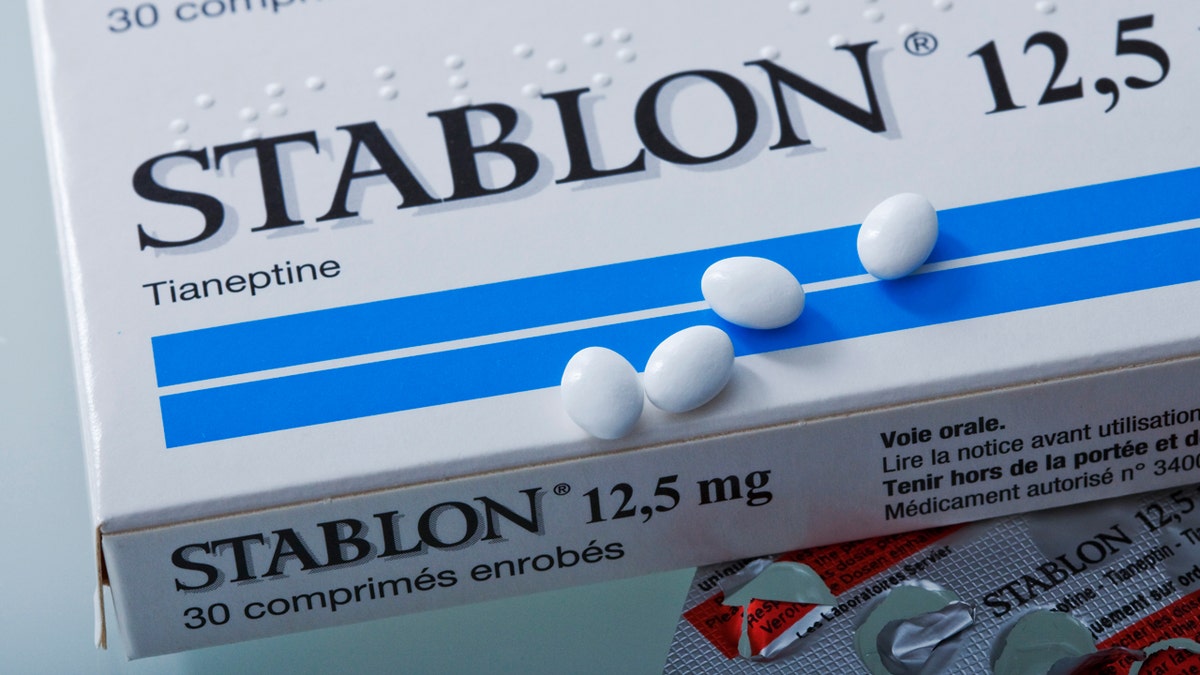
Medical Professionals Alarmed by “Gas Station Heroin”
Tianeptine, often referred to as “gas station heroin,” has raised significant concerns among medical professionals due to its addictive nature and potential health risks. Classified as a Schedule I controlled substance by fourteen states, it is facing increasing restrictions.
Connecticut’s Latest Ban on Tianeptine
Connecticut has become the latest state to ban the sale and use of tianeptine, effective from Wednesday. This action is part of efforts to curb addiction dangers associated with the substance.
FDA’s Warnings on Tianeptine’s Potency
The U.S. Food and Drug Administration highlights that tianeptine’s potency can surpass that of morphine and addictive opioids, particularly at higher doses. Misuse can lead to severe health effects, including respiratory depression and even death, as reported by the Drug Enforcement Administration.
False Marketing and Public Threat
“With false marketing that led consumers to believe these are safe products, and with candy-like flavor options, these substances posed a clear threat to those battling substance-use disorder and our youngest residents.” — Connecticut Lt. Gov. Susan Bysiewicz
Products containing tianeptine are often marketed as aids for pain relief, anxiety, and improved mental alertness. These products are sold across convenience stores, gas stations, vape shops, and online retailers under names like Tianaa, ZaZa, and Neptune’s Fix.
National Regulation Appeal
Dr. Robert Schwaner from Stony Brook Emergency Medicine stresses the need for national regulation due to tianeptine’s addictive properties. Acting similarly to opioids, tianeptine can develop tolerance, leading to dependence and withdrawal.
Kratom and the Addiction Epidemic
Alongside tianeptine, kratom has emerged as part of a growing addiction issue in the U.S. Its active compound poses a high risk of addiction and overdose, despite no FDA-approved medical use.
Dr. Marc Siegel highlights the need for stricter oversight, as these products remain untested even in overdose situations.