
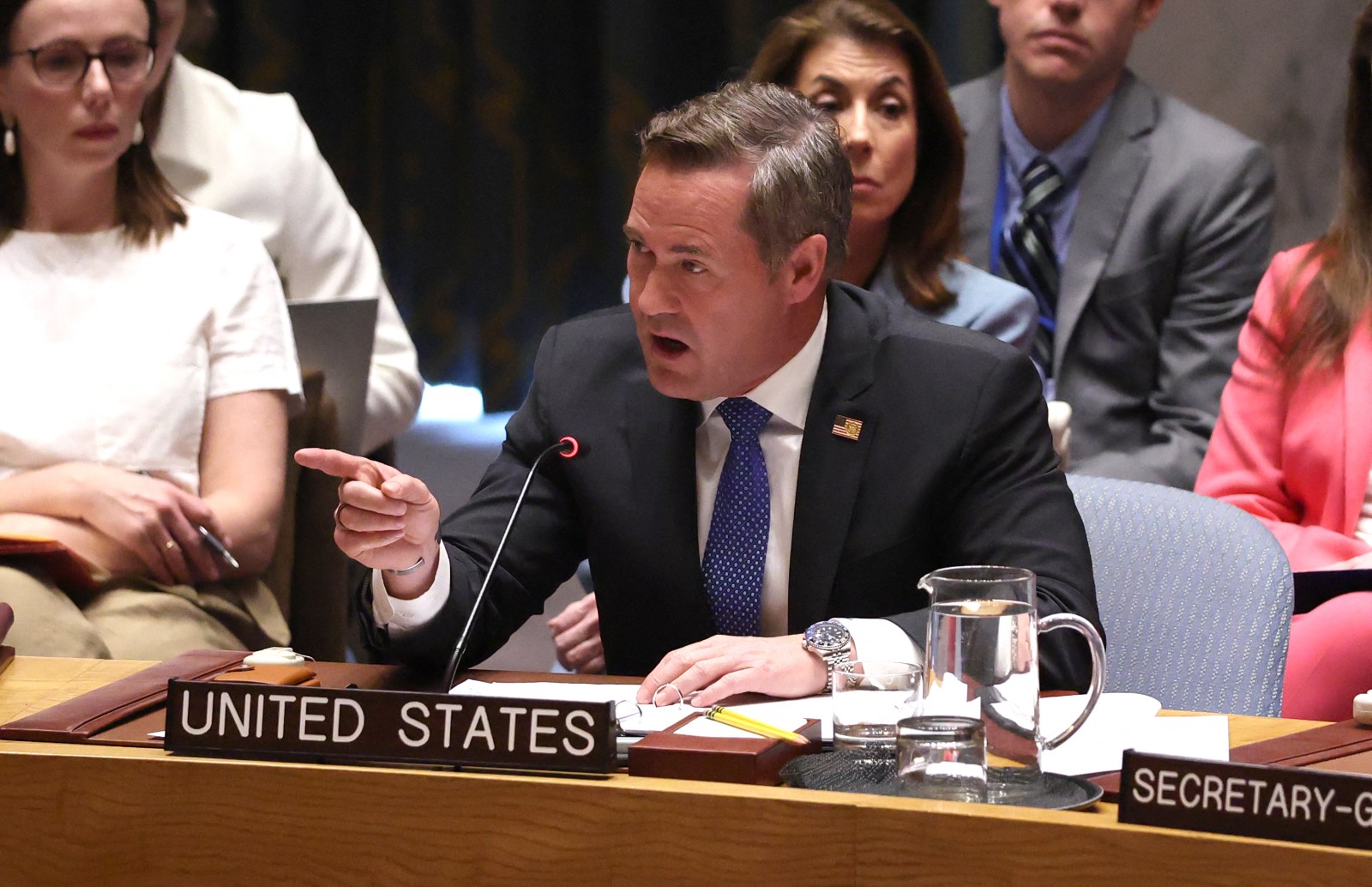
President Donald Trump’s ambassador to the United Nations did not offer a timeline for ending the Iran war, now nearing its seventh month, despite Trump’s prediction of a swift resolution. Ambassador Mike Waltz’s comments came as a new NBC News poll showed significant skepticism about the conflict, with 62 percent of voters questioning its worth and 57 percent less likely to support candidates who back it. This sentiment raises concerns among Republicans about the war’s political impact, especially in tight midterm races.
Waltz’s Remarks
On CNN’s State of the Union, Waltz was asked about reports suggesting ongoing discussions among White House officials indicating the Iran conflict might last for years. Waltz stated, “I wouldn’t necessarily put a timeline on it.” This contrasts with Trump’s earlier claim that the conflict, which began on February 28, would end in weeks. Waltz argued that U.S. economic pressure and the naval blockade against Iran are effective, suggesting the administration has time on its side.
The situation in the region continues to escalate. Iran cautioned that any new U.S. attack would provoke strong retaliation, while Houthi forces allied with Iran intensified attacks in Saudi Arabia and near the Bab al-Mandab shipping corridor.
Trump, speaking in North Carolina, said, “That war is going to end very soon. Watch, you just watch.”
NBC Poll on Voter Sentiment
The NBC News poll highlighted the war as a political liability for Republicans. Key findings include:
- 62 percent of respondents believe the Iran war has not been worth it.
- 57 percent are less likely to support candidates who endorse the war.
- Only 24 percent are more likely to support such candidates.
Democrats hold a slight edge, with a 4-point lead on handling the Iran conflict. The war complicates the GOP’s political challenges ahead of the November midterms.
The poll showed Trump’s approval at 41 percent, with 56 percent disapproving. 55 percent said Trump’s policies have damaged the economy. Furthermore, 43 percent of voters indicated their congressional vote was a message against Trump, while 27 percent expressed support—NBC’s highest opposition figure in its pre-midterm polling history.
Republican Dissent
Within Republican ranks, dissent is visible. On Tuesday, seven House Republicans joined Democrats in backing a resolution to limit further military actions against Iran without congressional approval. Though largely symbolic and unlikely to affect immediate operations, this marked the largest Republican break on the issue.
Notably, Iowa Representatives Zach Nunn and Mariannette Miller-Meeks and South Carolina Representative Nancy Mace were among those supporting the resolution. With Republicans having only a narrow House majority, political dynamics are tense.
Iowa Republicans’ Concerns
Nunn and Miller-Meeks took noteworthy positions, as both represent competitive districts eyed by Democrats in November. Nunn voiced opposition to prolonged conflict, citing his military service in the Middle East and stating he won’t endorse another indefinite war. Miller-Meeks called for a clear end plan from the administration, emphasizing the need to focus on bringing soldiers home and addressing economic concerns like rising prices.
She also warned of the conflict becoming “another forever war.” Their statements reflect broader concerns encompassing foreign policy and economic issues central to many races.
Economic Impact of War
The conflict’s risks extend beyond military aspects, affecting economic issues. The NBC poll showed majorities seeing Trump’s policies as harmful to the economy. Past surveys highlighted public anxiety over the war’s influence on energy prices, especially in rural states, where diesel costs have soared during harvest.
Conflict-related disruptions in the Strait of Hormuz and Bab al-Mandab corridor continue to unsettle global energy markets, Reuters reported.
Midterm Implications for Trump
Republicans had planned to campaign on immigration and border security, but inflation, energy costs, and the Iran conflict now dominate. Internal divisions on U.S. involvement length complicate Trump’s coalition. Candidates in competitive races show varying levels of distance from the administration’s conflict management.
For Democrats, this war presents a chance to argue about economic struggles and government priorities. As the war draws near its seventh month, Waltz’s lack of a clear timetable raises doubts about the administration’s strategy. With Iran threatening retaliation and global energy markets facing ongoing pressure, the need for a diplomatic breakthrough remains pressing.
Heading into the midterms, Republicans need to convince voters of a viable conclusion to a war initially depicted as short-term. New polling indicates many voters still doubt the conflict and its associated costs.