
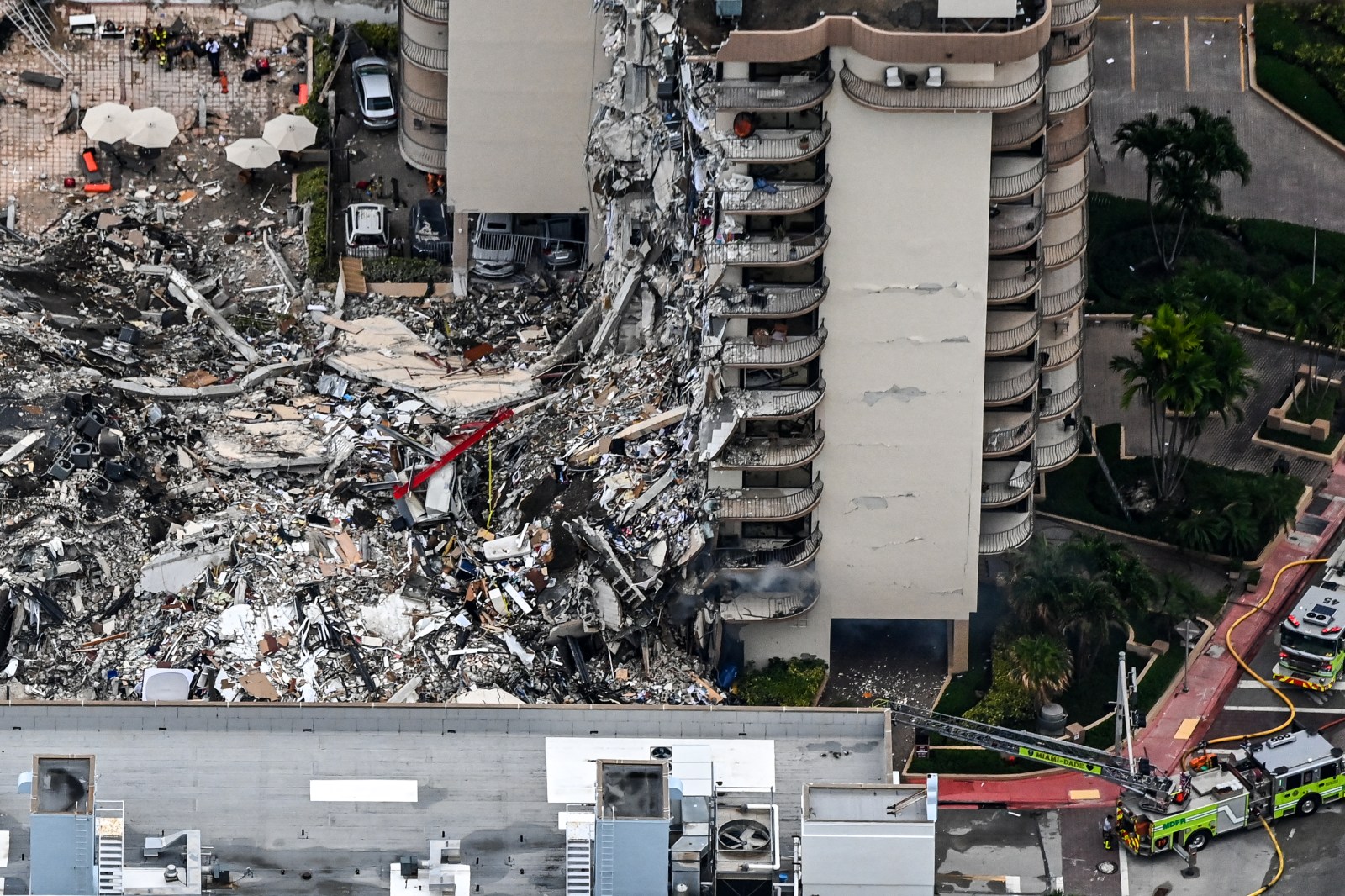
In the sweltering heat of a summer night in the Miami suburb of Surfside, Florida, a tragic event unfolded on June 24, 2021. The Champlain Towers South, a 40-year-old, 12-story condominium, partially collapsed. With footage capturing the condo crumbling in seconds, the incident puzzled investigators for months. Initially, reports confirmed one casualty, but eventually, 98 lives were lost, marking it as one of the deadliest building failures in U.S. history.
Attorney Stuart Z. Grossman, who successfully reached a nearly $1 billion settlement for survivors and families in May 2022, reflected on the tragedy. He described it as different from other cases because it was unforeseen. One story involved a student visiting his grandfather and girlfriend, tragically losing their lives shortly after arriving. A mother recalled disbelief when hearing about the collapse where her daughter stayed.
Investigation Findings and Legislative Responses
Early investigations identified the pool deck slab failure as the collapse’s origin, due to water penetration and steel corrosion. Further analysis revealed deeper issues, including construction errors dating back to the building’s 1981 completion and deferred maintenance. A 2020 report found insufficient funds for necessary repairs.
The tragedy prompted Florida lawmakers to act. Robert Smith, president of FirstService Residential’s South Region, noted the event’s profound impact. He described it as a catalyst for major safety reform in Florida. It aimed to prevent future condo collapses, yet faced challenges.
The Florida Building Safety Act
In response, Florida passed the Building Safety Act in May 2022. It mandated a Structural Integrity Reserve Study (SIRS) for condos with three or more stories, assessing structural components and reserve requirements. Older buildings near the coast required milestone inspections by licensed engineers or architects by 2024, followed by ten-year intervals.
- Fully-funded reserves became mandatory for budgets from December 2024, forcing significant financial changes.
- Florida joined ten other states requiring reserve funds for major costs, including Connecticut, Delaware, and Oregon.
These changes shook Florida’s condo market. The need for improved safety, reserve funding, and building health clashed with affordability concerns. Condo owners, fearing higher fees, flooded the market with properties, causing values to drop.
Owners unable to sell faced financial strain, with rising fees, taxes, and insurance premiums. Gina Clausen Lozier noted the widespread impact on homeowners, some defaulting on mortgages, others leaving the state.
Adjustments for Financial Relief
Condo market bifurcation saw luxury units thrive while older, affordable condos struggled. Amid these issues, Governor Ron DeSantis pushed for legislative reform. Bills HB 913 and HB 393, signed in June 2025, offered relief, delaying reserve study requirements and suspending fund contributions to prioritize repairs.
Challenges and Future Outlook
Despite improvements, Grossman and others remain skeptical about enforcement. He called for more transparency and accountability in HOA repairs. Smith highlighted that well-prepared communities manage these changes better, but many still face obstacles.
Lozier emphasized that boards with professionally managed properties take responsibility seriously, aware of liability risks. Yet, she conceded the possibility of future incidents, especially in South Florida.
“Everything is in place. If repairs are not going to be addressed, that’s the way it is,” Grossman stated.
Ultimately, while reforms aim to avert another Surfside-like disaster, ensuring their success depends on proactive management and enforcement.