
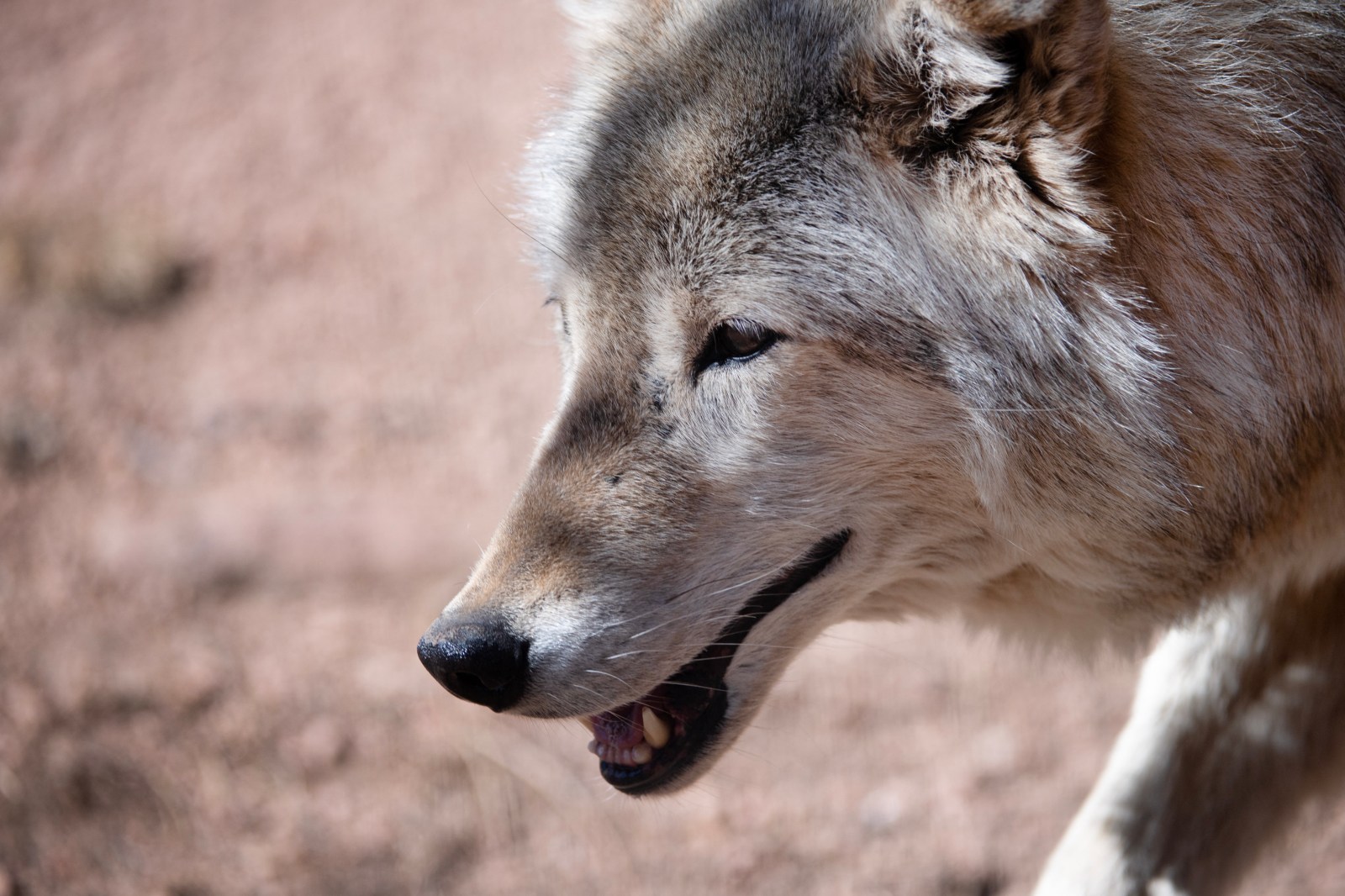
President Donald Trump has initiated a federal review of the protected status of gray wolves and Mexican wolves. This process might lead to reducing Endangered Species Act (ESA) protections for these wolves in the U.S.
Executive Order Details
A recent executive order directs the interior secretary to assess if the gray or Mexican wolves should be delisted or downlisted. If necessary, rulemaking will begin. The order also calls for:
- Legislative recommendations
- Improved state coordination for local protections
- Updated compensation for livestock losses due to wolves
- Streamlined procedures for lethal wolf removal when needed
Gray Wolf Populations by State
According to the Wolf Conservation Center, the populations in various states are:
- Alaska: 7,700-11,200 (as of 2017)
- Minnesota: 2,919 (winter 2022-23)
- Wisconsin: approximately 1,200 (2024-25)
- Idaho: approximately 1,129 (2025)
- Michigan: 762 (2023)
- Montana: 725 (2025)
- Washington: 270 (April 2026)
- Wyoming: 253 (December 31, 2025)
- Oregon: 230 (April 2026)
- New Mexico: 175 Mexican gray wolves (2025)
- Arizona: 142 Mexican gray wolves (2025)
- California: around 55 (May 2026)
- Colorado: 32 (March 2026)
Implications of the Order
The executive order does not immediately remove federal protections for wolves. According to the U.S. Fish and Wildlife Service, the delisting process involves evaluating whether threats to recovery have diminished, publishing a proposed rule for public and expert feedback, and then deciding on a final rule or withdrawing the proposal.
The administration frames this action as a relief for ranchers facing livestock predation and as a response to industry concerns over lower-tariff beef imports. In a social media post, Interior Secretary Doug Burgum stated the White House is focused on reducing consumer prices and aiding ranchers.
Burgum mentioned that efforts include expanding grazing access on public lands and reviewing gray and Mexican wolf protections. Partnering with the Department of Agriculture, the administration aims to curb predation, support the food supply, and lower family costs.
Reactions from Stakeholders
Cattle producer trade group R-CALF USA’s President Dave Hyde acknowledged that while the orders don’t solve all issues, they do lend presidential support to address problems faced by cattle producers.
Agriculture Secretary Brooke Rollins commented that these measures would enhance ranchers and farmers’ ability to manage predator threats. However, Humane World for Animals warned that easing protections might endanger wolf recovery achievements. Greta Anderson of Western Watersheds Project criticized the move, calling it a “distraction” to placate a few ranchers.