
WASHINGTON — The Federal Aviation Administration (FAA) is utilizing artificial intelligence to enhance air traffic management in the United States. The agency has initiated a significant $875 million software upgrade aimed at improving the efficiency of airspace management.
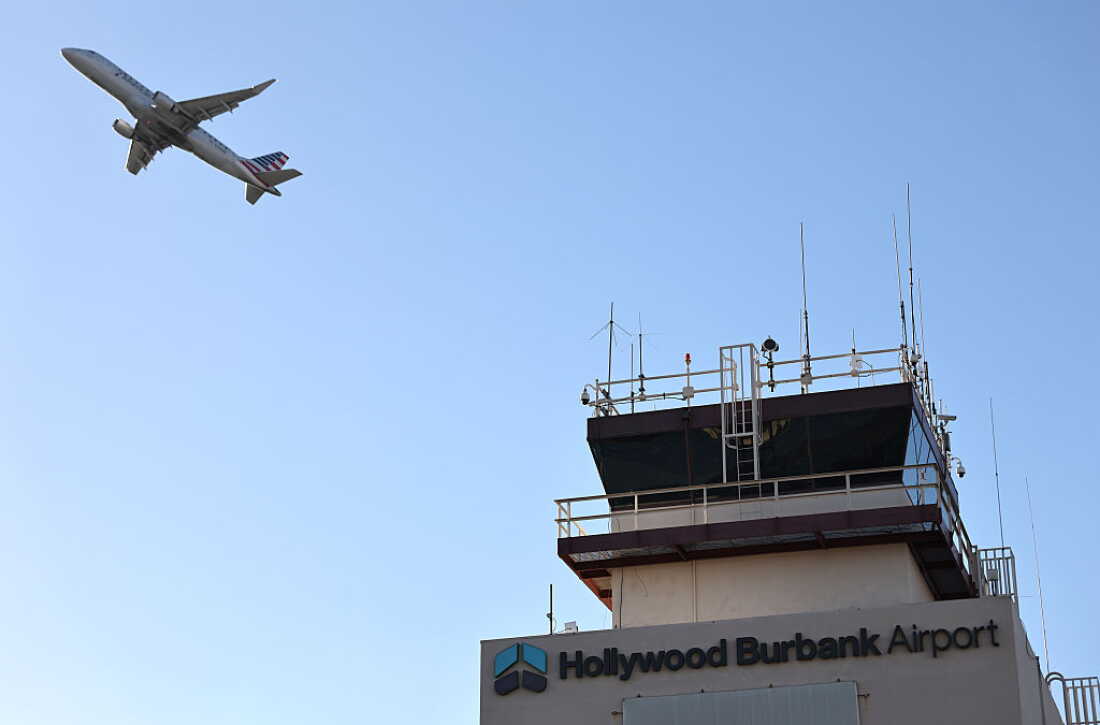
On Monday, the FAA announced the introduction of its new system, Strategic Management of Airspace, Routes and Trajectories (SMART), at three major airports within the Washington, D.C. area. The initiative seeks to reduce flight delays and ease the workload for air traffic controllers by addressing potential congestion and conflicts before they occur.
“By fundamentally reshaping how we manage our airspace and preventing problems before they happen, SMART will slash those frustrating delays, reduce stress on air traffic controllers, and lower travel prices,” Transportation Secretary Sean Duffy stated.
Although the integration of AI in air traffic control is heralded as a leap forward by regulators and airlines, some critics are skeptical about its ability to resolve deeper systemic issues. The FAA and Department of Transportation leaders stress that this AI tool aims to assist air traffic controllers rather than replace them, streamlining their operations by mitigating airborne congestion.
FAA Administrator Bryan Bedford, during a Senate hearing, commented on current air traffic management practices, stating, “The way we manage traffic today is chaotic and we can do better.” He emphasized the need for the FAA to lead these efforts rather than relying solely on commercial airlines.
The SMART system utilizes AI to optimize airspace by considering various factors such as planned airline flights and weather conditions, making adjustments to minimize congestion. This development is part of a broader $12.5 billion initiative to modernize the national air traffic control system.
For the task of creating this advanced system, the FAA selected Air Space Intelligence, a smaller firm known for its AI-enhanced dispatch software used by Alaska Airlines and other carriers. This project represents a substantial test of their capabilities.
Skeptics, such as former air traffic controller Dave Riley, provide a cautionary perspective, asserting that while AI tools draw attention, they do not replace human capabilities. “It won’t replace humans. It’ll be another tool in the toolbox,” Riley noted. He dismissed concerns about AI’s potential to operate independently of human oversight, affirming that controllers will continue to ensure safe aircraft separation.
Riley also expressed doubts regarding the system’s impact on larger issues, particularly the ongoing staffing shortages within air traffic control. The FAA currently faces a deficit of certified air traffic controllers, leading to mandatory overtime and demanding schedules.
The National Air Traffic Controllers Association (NATCA), representing these controllers, clarified their non-involvement in the SMART system’s development and questioned its immediate impact on the workforce.
However, Airlines for America, a trade group representing major airlines, lauded the FAA’s modernization efforts, asserting that the SMART system’s potential benefits include enhanced safety, increased capacity, and improved travel efficiency. “Its potential to strengthen safety, increase capacity and improve efficiency will have a direct positive effect on American travelers,” the association highlighted.