
Events Canceled Due to Heat Wave
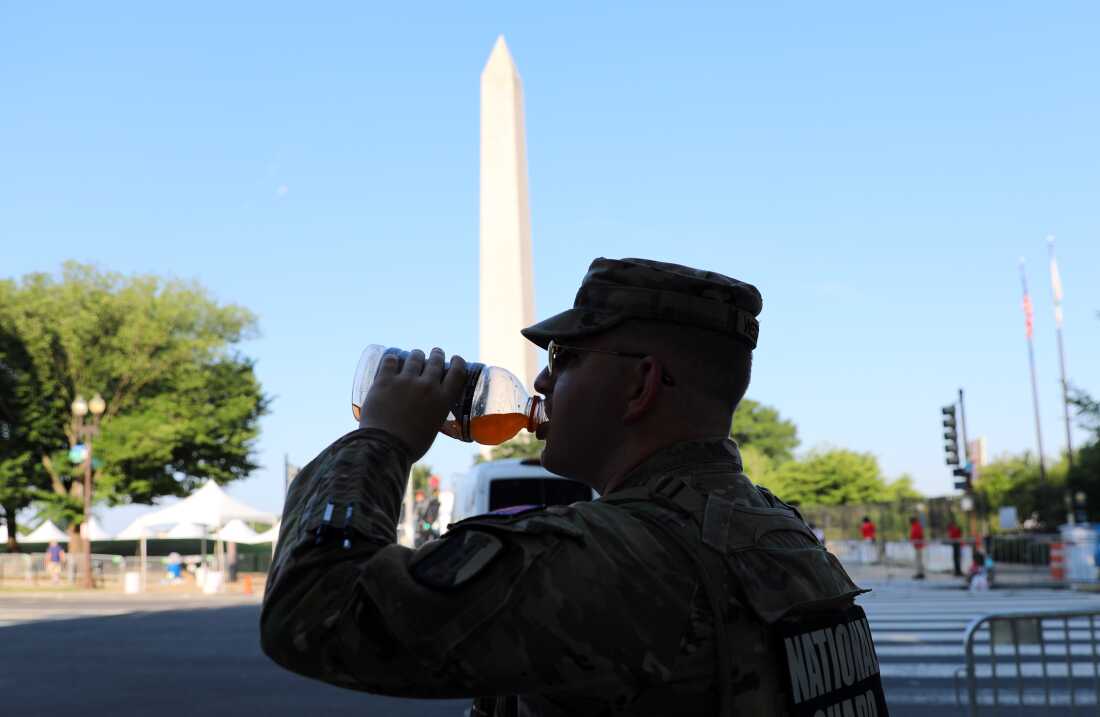
Washington’s Independence Day Parade, planned to celebrate the nation’s 250th anniversary, was canceled. This decision, announced by organizers late Friday, followed a consultation with the National Park Service, D.C. city government, and Freedom 250. Safety concerns for participants, spectators, and staff were paramount.
The National Weather Service issued an extreme heat warning for the D.C. area, effective from 10 a.m. to 9 p.m. ET Saturday. Heat index values, combining temperature and humidity, were expected to reach between 110°F and 115°F.
Impact of Weather Conditions
Early morning temperatures in the 70s and 80s predicted little overnight relief. The excessive temperature may affect power, water, and transportation systems. The NWS also issued a Code Purple air quality alert, indicating “very unhealthy” conditions.
The cancellation closely followed the hottest day in decades recorded in Washington. Temperatures at Reagan National Airport hit 102°F on Friday, surpassing the previous record of 101°F from 1966. Saturday’s forecast suggested similar conditions.
Effects on Participants and Events
Participants affected by the cancellation included 80 students from the Grand Island Senior High marching band in Nebraska. Their school district confirmed they would not perform. Other events faced similar disruptions. The Great American State Fair on the National Mall temporarily closed Friday afternoon, and entry to “A Capitol Fourth” concert was delayed.
Nationwide Cancellations
Philadelphia canceled the Salute to Independence Parade and postponed a fireworks show. Communities in Colorado, such as Durango and Vale, canceled fireworks due to wildfire risks. In New Jersey, the Haddon Township parade was called off due to oppressive heat.
In Virginia and Maryland, parades in Leesburg, Fairfax, Takoma Park, and Laurel were canceled. About 120 million Americans across the eastern and southern U.S. faced heat risks Saturday, according to the NWS National Oceanic and Atmospheric Association.
Presidential Plans Amid Celebrations
The Trump administration had prepared for this anniversary for months. From Mount Rushmore, President Trump invoked historical moments like Washington’s crossing of the Delaware, articulating ambitions for space exploration and technological leadership. Controversy arose from Democratic criticism of the administration’s handling of Freedom 250 celebrations.
Despite the heat, Saturday night’s fireworks display, deemed the largest in U.S. history, remained scheduled at 10:30 p.m. The event would follow a presidential address anticipated to be lengthy.
“Severe thunderstorms” and “destructive wind gusts up to 70 to 80 mph” could affect the evening celebrations, warned the NWS.