
Republican leaders are currently challenging property taxes in response to recent increases, yet home insurance premiums pose a larger financial challenge for many homeowners in various states. Recent data shines a light on this issue.
Insurance Versus Property Tax Costs
Homeowners in Tennessee spend approximately $284 monthly on insurance, almost double the estimated $143 for property taxes, as a study from LendingTree reveals. Similarly, Alabama residents face $182 in monthly insurance payments compared to $93 in property taxes.
In stark contrast, property tax burdens are significantly higher in New Jersey and New York. New Jersey homeowners pay an average of $863 monthly, while those in New York pay $626. However, their insurance costs are lower, with New Jersey at $159 and New York at $168 per month.
While in both Northeastern states, home insurance makes up a smaller percentage of total housing costs, in Tennessee and Alabama, it accounts for a higher portion of monthly expenses.
States Spending More on Insurance
LendingTree’s data indicate that in 15 states, home insurance costs are higher than property taxes. These states include:
- Tennessee: $284 vs. $143
- Alabama: $182 vs. $93
- Colorado: $463 vs. $241
- South Carolina: $259 vs. $135
- Arkansas: $200 vs. $115
- Oklahoma: $278 vs. $178
- Arizona: $238 vs. $162
- New Mexico: $244 vs. $189
- Idaho: $200 vs. $163
- Nebraska: $413 vs. $350
- Mississippi: $149 vs. $131
- West Virginia: $113 vs. $101
- Kentucky: $186 vs. $167
- North Carolina: $214 vs. $196
- Louisiana: $132 vs. $125
In both Virginia and Montana, monthly costs for insurance are nearly equal to property taxes.
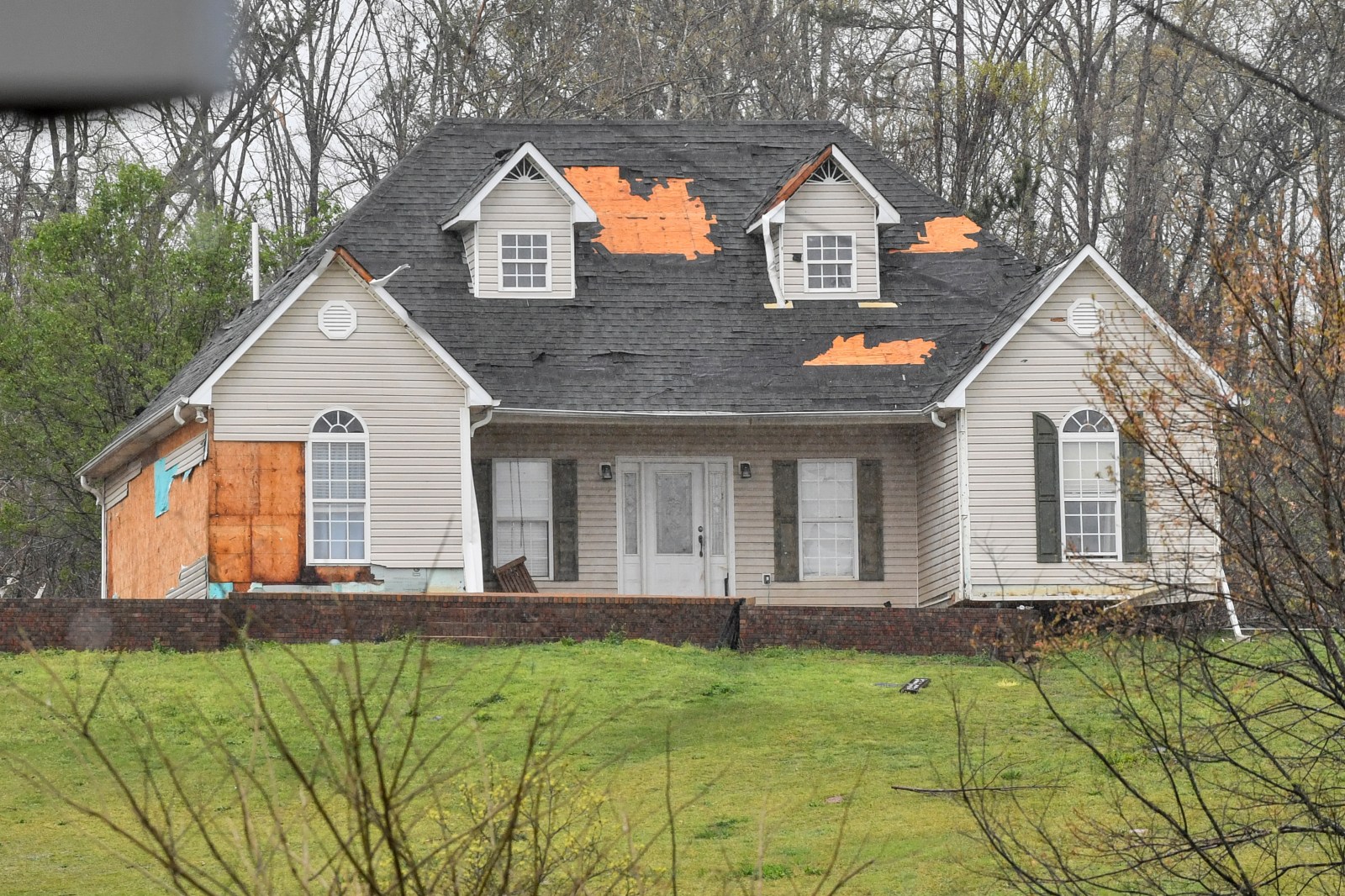
States with higher insurance costs often face natural disaster risks such as hurricanes, flooding, tornadoes, and wildfires.
Impact on Housing Affordability
Although increases in home prices and mortgage rates have dominated discussions about housing affordability, rising property taxes and insurance premiums contribute significantly to the challenge.
According to Harvard University’s Joint Center for Housing Studies, property taxes have surged over 30% from 2019 to 2025, while home values have increased 54% since 2020.
Insurance premiums have risen by 46% since 2021 due to more frequent natural disasters and rebuilding costs, far outpacing inflation.
Current Federal Reserve Bank data notes the median-income household now spends 66.38% of its income to own a median-priced home. Those spending more than 30% are deemed burdened.
Government Responses
Congress recently passed a comprehensive housing package, aiming to tackle the inventory shortage and boost home production. States like California and New York attempt to relax regulations for new construction, while states like Florida and Texas are focusing on reducing or eliminating high property taxes.
Disaster-prone states such as California and Florida are implementing reforms to retain insurers and provide coverage amidst growing risks and costs. Despite efforts like Florida’s tort reform, premiums continue to rise.
The U.S. government is exploring potential federal solutions, including a reinsurance backstop, funding for residential retrofits to enhance resilience against disasters, and expanding the Treasury’s oversight of risk and coverage gaps.
Contact Newsweek editors for further inquiries on the matter: Ben Kelly and James Debens.