
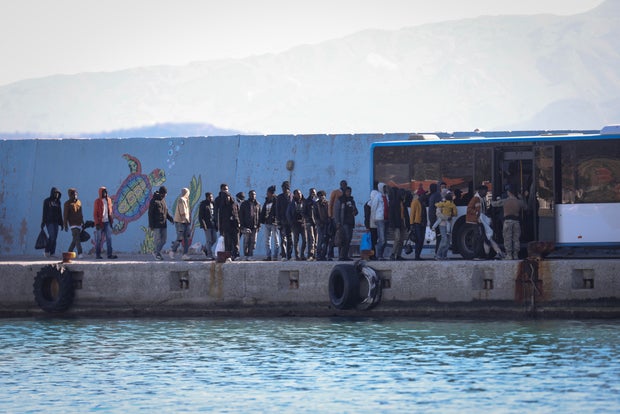
Five EU countries are advancing plans to deport rejected asylum seekers to third countries outside the bloc, potentially in Africa, following new EU rules. Greece, Germany, Austria, Denmark, and the Netherlands have agreed on creating ‘return hubs’ outside the EU for individuals who cannot remain in Europe or return to their origin countries.
Danish Interior Minister Morten Bødskov indicated that the initiative is progressing well. Denmark aims to transfer the first irregular migrants by 2027. Greek Migration Minister Thanos Plevris affirmed that Greece will have a pilot project ready by the next year.
While no destinations have been confirmed, Rwanda is a potential partner for these hubs. A Greek statement revealed that hubs would be in safe third countries, possibly on the African continent.
The EU believes that return hubs could deter irregular immigration. The idea is to incentivize voluntary returns, as migrants facing deportation may be sent to a hub instead. The policy aims to dissuade dangerous journeys to Europe without a valid asylum claim.
Recent EU rules define a legal framework for returns, allowing member countries to have agreements with non-EU countries that uphold international human rights and non-refoulement principles, ensuring individuals aren’t sent where they’d face harm.
Comparison with US and UK Policies
The Trump administration in the US utilized third-country deportations for undocumented migrants. Over 100 were deported to African nations like Liberia and Rwanda in a 10-day stretch. Greek minister Plevris praised Trump’s approach, noting a new migration policy in Europe.
European governments have tried outsourcing deportations to third countries with varied success. The UK’s plan to send asylum seekers to Rwanda was deemed unlawful due to risks of persecution. It was abandoned after spending £715 million with few voluntary relocations.
Peter Walsh, an Oxford University researcher, noted challenges such as litigation and logistical issues. The credibility of policies as deterrence depends on their execution, sometimes proving inefficient.
Broader Immigration Policies
Return hubs are part of efforts to tighten immigration control under pressure to increase removals of those without legal stay. Jacob Reynolds of the Freedom and Sovereignty Initiative Europe viewed the EU decision as a positive move for border control but warned about outsourcing migration issues.
Reynolds stressed fundamental changes in asylum regimes are necessary for a lasting solution, addressing the generous provisions for asylum seekers in Europe.