
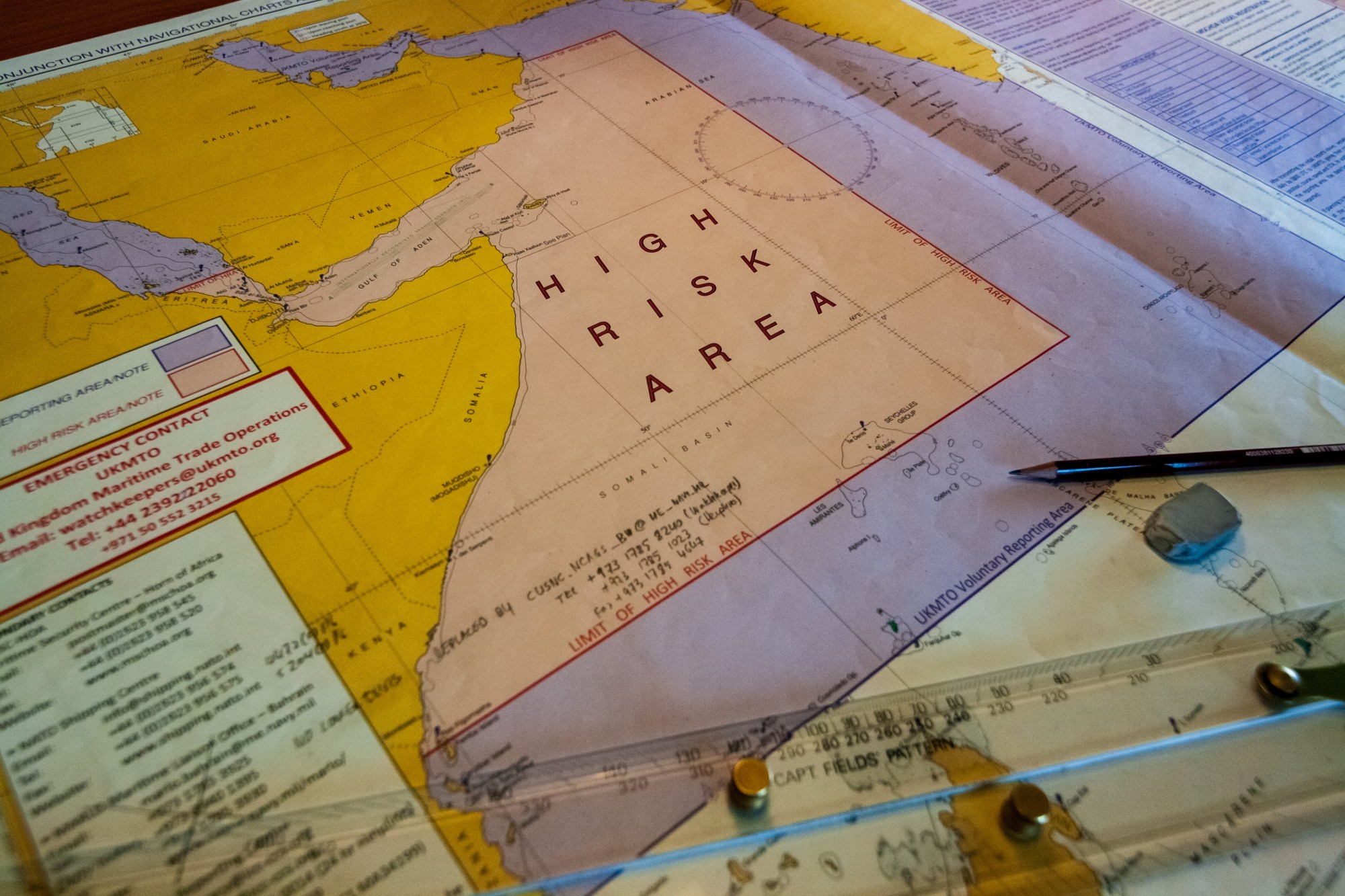
Recent events have highlighted the resurgence of Somali piracy, a threat amplified by the ongoing Iran conflict. The Strait of Hormuz disturbance has extended its impacts into the Red Sea, reigniting concerns over piracy off Somalia’s coast.
Earlier this year, Somali pirates captured four vessels in less than two weeks, underscoring the persistent nature of the threat. Among these vessels was the Togo-flagged Eureka, an oil tanker connected to Emirati interests, seized in the Gulf of Aden. The pirates have demanded a $10 million ransom for its release. These incidents are not isolated. They are part of a broader threat network shaped by Tehran, involving terrorist groups from Yemen and Somalia.
‘Somali piracy yields to sustained, coordinated pressure.’
A United Nations Panel of Experts has documented direct interactions between Yemeni terrorist representatives and Somali militants. The groups have agreed to intensify piracy operations in exchange for weapons, GPS tracking devices, and military training conducted in Yemen. A confirmed report from the Puntland Maritime Police Force indicates the operational usage of these supplied tools by Somali pirate groups.
This situation transcends regional security concerns, escalating into weapons proliferation and maritime terrorism closely linked to Tehran. Washington’s focus on missile threats in the Bab el-Mandeb Strait has overlooked the interconnected nature of these threats. Yemeni disruptions in the Red Sea have allowed Somali pirates to capitalize on ongoing regional instability, forming a cohesive operation across the same geographical corridor.
The revival of piracy comes with alarming data. Somali piracy once cost the global economy approximately $7 billion annually. Though stringent naval measures and armed guards curbed piracy, recent years have seen a resurgence. Global piracy incidents increased to a five-year high of 137 in 2025. This upward trend continued with several hijackings in early 2026.
The U.S. possesses clear interests in addressing these issues beyond abstract navigation freedoms. Weapons trafficking networks linked to Yemen supply destabilization activities across East Africa. These regions hold significant U.S. counterterrorism commitments and military access arrangements. The logistics network facilitating ransom laundering, arms distribution, and sanctions evasion is critical to Iran’s broader regional strategies.
In response to these threats, Washington’s efforts have lagged. The military operation, code-named ‘Prosperity Guardian,’ focused on missile threats from Yemen, not the emergent piracy network employing Iranian resources in Somalia. Current counterterrorism operations led by the U.S. Africa Command on land do not adequately address maritime piracy.
Immediate action is advisable. Congress should initiate an interagency review of the weapons pipeline from Yemen to Somalia, examining its financial systems, command relationships, and impacts on East African arms markets. Implementing Iran sanctions on the financial networks handling ransom payments and arms trafficking is primordial. The Navy should bolster its counter-piracy presence in the Gulf of Aden, learning from historical lessons that sustained pressure effectively curbed Somali piracy. Addressing the Eureka incident must shift focus from mere maritime crime to understanding Iran’s regional war strategies.
The evolving situation calls for concerted efforts to disrupt the piracy resurgence, with targeted strategies against the networks supporting these criminal activities.