
Strait of Hormuz Traffic Decreases
The number of vessels passing through the Strait of Hormuz has dropped significantly. According to data from Reuters, only eight ships were tracked in a single day. Before the conflict began on February 28, around 130 vessels used the waterway daily. Recent figures show a decline from the 10-day average of about 12 ships.
Houthi Attacks in the Red Sea
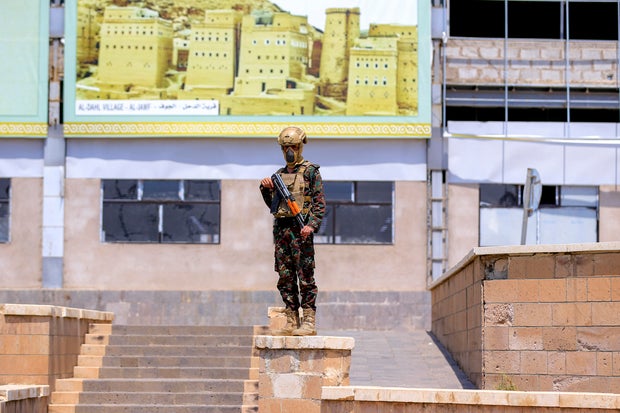
In a marked escalation, Iran-backed Houthi rebels killed six people on a cargo ship in the Red Sea. This incident reflects a broader pattern of Houthi aggression against Yemeni government forces. The assaults have resulted in casualties among government troops and civilians, particularly in the Bab el-Mandeb strait and the port city of Mokha. Tensions have been rising between the Houthis and Saudi Arabia, a supporter of the Yemeni government. Mohammed Abdul-Salam, a spokesperson for the Houthis, accused Saudi Arabia of using the ceasefire to tighten its blockade. He stated the Houthis are willing to negotiate if the blockade is lifted.
U.S. Military Action in the Gulf
The U.S. military took action against a Panama-flagged ship, the Vela Nova, in the Gulf of Oman. A U.S. Navy MH-60 helicopter fired Hellfire missiles into the ship’s engine room. The ship had been attempting to breach a U.S. blockade of Iranian ports. The Vela Nova, which ignored several warnings, ceased its journey to Iran after the attack. U.S. Central Command reported disabling three ships, boarding two, and redirecting 55 vessels to enforce the blockade.
The situation in the Middle East remains tense, with various players involved in escalating actions. The impact on shipping and regional stability is significant, with potential for further conflict.