
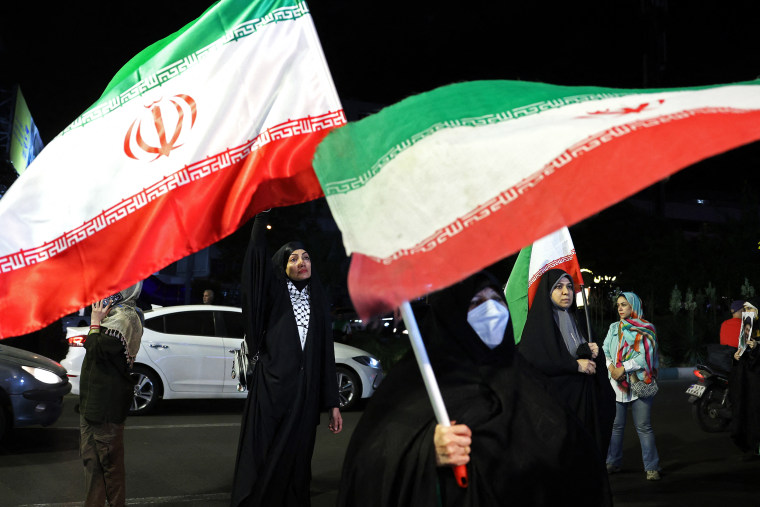
President Donald Trump has issued a stark warning to Iran, signaling a rising sense of urgency as diplomatic talks hit a standstill and drone attacks against U.S. allies raise fears of conflict re-escalation.
On Truth Social, Trump cautioned Iran to act swiftly, reviving threats of severe consequences amid stalled efforts to conclude a three-month-old conflict involving the U.S. and Israel. Negotiations aimed at resolving the conflict, addressing Iran’s nuclear ambitions, and restoring navigation through the vital Strait of Hormuz have seen little progress recently.
Responding on Monday, Iranian Foreign Ministry spokesman Esmail Baghaei downplayed intimidation, emphasizing that discussions and negotiations continue. Baghaei noted a response to a new U.S. proposal, adding, “Our concerns were conveyed to the American side.”
Reports indicated that Trump’s caution came following communication with Israeli Prime Minister Benjamin Netanyahu, though the White House has yet to confirm the call.
Meanwhile, tensions escalated as the United Arab Emirates (UAE) reported a drone strike that sparked a fire at a nuclear power plant. Saudi Arabia also intercepted drones from Iraqi airspace. The UAE labelled the event, impacting its Barakah nuclear plant, as “unprovoked” but confirmed operational safety remained intact.
Frequent accusations from the UAE toward Iran for such attacks persisted, especially as Tehran and Washington hinted at potential combat resurgence. Countries like Pakistan condemned the recent incident.
“Going to get hit much harder,” Trump remarked during a call with Axios if Iran fails to offer a favorable nuclear deal, though timing specifics were withheld.
In an interview with Fortune, Trump described Iran as eager for an agreement, albeit he criticized inconsistencies in negotiation documentation.
Senator Lindsey Graham, R-S.C., advocated for an increase in U.S. military responses if the ongoing blockage of the Strait of Hormuz persists, warning of Iran’s growing strength.
This strategic closure, alongside a U.S. naval blockade, continues to restrict global supplies, leading to market instability. Brent crude oil prices surged, nearing $110 per barrel.
At an industry meeting in Paris, Fatih Birol of the International Energy Agency expressed concerns over rapidly dwindling commercial oil inventories.
Trump hinted that global turbulence affects economic analysis and interest rate considerations. “You can’t really look at the figures until the war is over,” he reflected in the Fortune interview.
Baghaei reaffirmed Iran’s peaceful stance towards regional neighbors, including the UAE, cautioning against potential conflicts. He reiterated Iran’s refusal to compromise on nuclear enrichment rights as protected by the Treaty on the Non-Proliferation of Nuclear Weapons.