
Years leading up to the Persian Gulf conflict witnessed emerging concerns over global liquefied natural gas (L.N.G.) supply dominated by two major players. Prior to the war, the world primarily relied on the United States and Qatar for L.N.G. production growth, with expectations of continued dominance until 2030. As energy executives in Japan discussed potential risks, the reliance on a duopoly posed considerable threats to energy security.
Japan, being the leading L.N.G. importer after China, faced anxiety over the potential disadvantages in a market led by powerful suppliers. The unpredictability of United States politics, especially after a halt in new export facility permits in 2024, added to the concerns. Qatar, located in a highly volatile region, further compounded these fears.
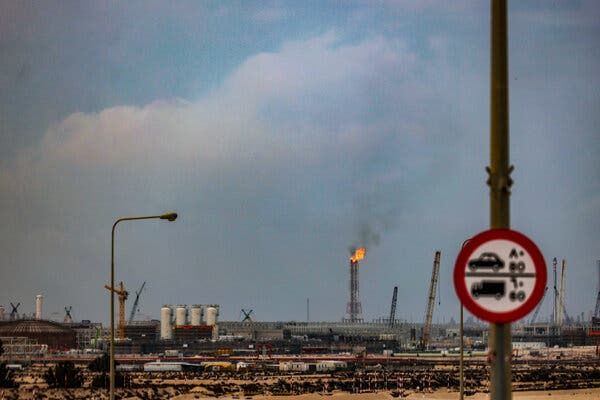
In February, these apprehensions came to fruition when Iran obstructed the Strait of Hormuz. This crucial passage allowed Qatar to export its L.N.G. globally. Iranian strikes on Qatar’s Ras Laffan L.N.G. hub followed soon after, causing extensive damage anticipated to take years to recover.
This disruption removed roughly a fifth of the global L.N.G. supply from the market. Asia, the primary recipient of Qatar’s exports, faced soaring gas prices. Countries such as Pakistan, Bangladesh, India, Singapore, and Taiwan depended heavily on Qatar, receiving significant portions of their L.N.G. from this region, and were left scrambling for alternatives.
Henning Gloystein, managing director for energy at Eurasia Group, reflects that while foresight may suggest better preparedness, significant energy disruptions are common occurrences each decade. According to him, the reliance on just two suppliers has magnified the existing structural vulnerability in the industry.