
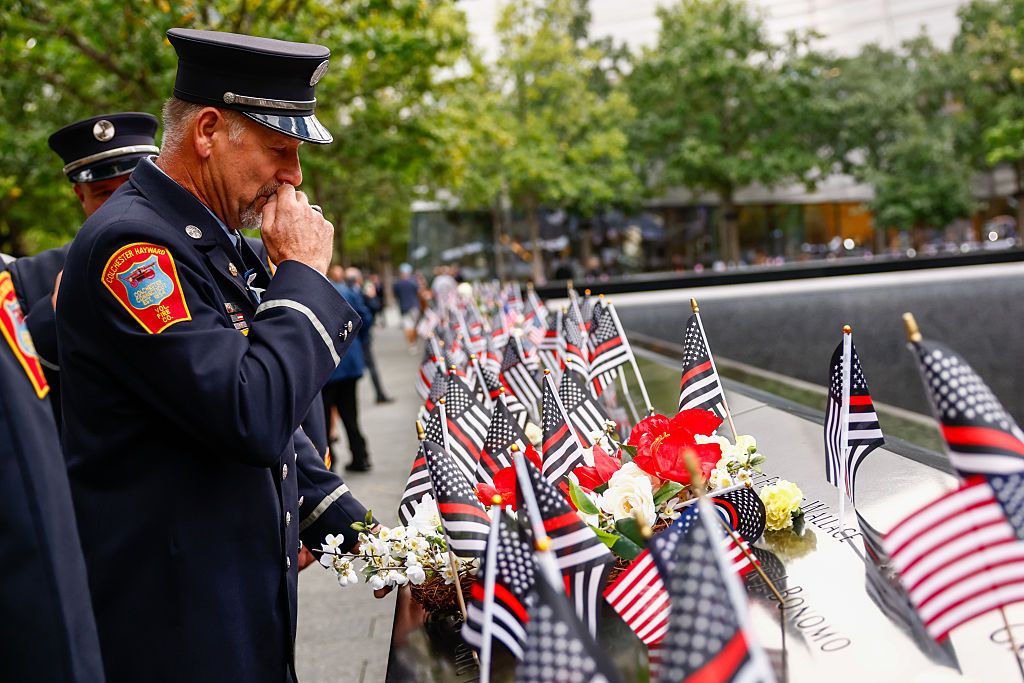
The September 11th Victim Compensation Fund (VCF) has now processed over 10,000 deceased claims. This figure highlights the continuing health challenges faced by those affected by the World Trade Center attacks, more than 25 years later. These claims reflect ongoing issues such as cancer and are affecting responders, workers, residents, and others exposed after the attacks.
Continued Increase in Claims
The VCF reported 10,029 deceased claims as of October. In 2015, the total was 610. This figure is over three times the number of direct fatalities from the September 11, 2001, attacks. Claims are submitted by personal representatives or eligible relatives, not as a direct confirmation of a 9/11-related death. Eligibility for compensation depends on factors such as presence in the exposure zone and a qualifying health condition.
Cancer accounts for most of the approved death awards. Attorney Michael Barasch noted 5,997 out of 6,397 approved death awards involved cancer, nearly 94%.
Rising Cancer Cases
The World Trade Center Health Program tracks and treats individuals with WTC-related conditions. As of September 30, cancer certifications totaled 59,279. This number has grown significantly from 3,204 recorded in December 2014. Certification does not establish direct causation by 9/11 exposure but indicates meeting federal health requirements.
Cancers may develop years after initial exposure. Michael Barasch emphasized the need for continued medical monitoring due to the presence of carcinogens in the dust and debris from the collapsed towers.
Cancer was added to the list of covered conditions over ten years after the attacks, in 2012. The program encompasses responders and ‘survivors,’ including those who lived, worked, or studied in the disaster area.
Personal Accounts and Monitoring Importance
Christine Sakoutis, a former court clerk, and peace officer, emphasized the value of early detection. Diagnosed with stage 2B lung cancer in 2017, she attributes her survival to prompt medical intervention. She advocates for vigilance and regular health checks for those who were exposed.
“The ONLY way to increase your odds—the ONLY action you can take proactively—is to get scanned, scanned, scanned,” Sakoutis said.
Eligibility and Misconceptions
Confusion about eligibility can delay assistance and monitoring. Doug Mandelkow’s father, James, an FDNY fire inspector, developed esophageal cancer after 9/11-related duties. Misunderstanding his eligibility, James initially did not seek federal help, believing his situation did not warrant it.
The federal programs are accessible to a broad range of individuals beyond those who worked at Ground Zero. Eligibility depends on geographic, timing, and medical criteria. Claims can be filed through October 1, 2090, due to VCF’s permanent authorization.
Addressing Rare Cancers and Compensation Delays
Advocates focus on recognizing rare cancers. The World Trade Center Health Program documented 611 neuroendocrine cancer cases among 147,137 members by September 30. These figures highlight a need for awareness, though not conclusive proof of direct causality.
Families seeking compensation must navigate a complex legal process, which can delay claims. Barasch’s firm is managing nearly 1,858 death cases with many pending necessary documentation or legal appointments.
Barasch urges New York to streamline the necessary legal process for claims and suggests federal policy changes for compensation calculations and program staffing.
Continued Legacy of September 11
Each new deceased claim further distinguishes between those initially killed and those who later succumbed to conditions related to the attacks. Doug Mandelkow expressed the ongoing distress that each claimed life represents for families like his own.
“The number has topped 10,000 and keeps climbing every year. Behind every claim is a family that lost a loved one,” Mandelkow said.
Christine Sakoutis, now cancer-free, feels a lasting emotional burden from the growing list of those lost. Michael Barasch’s experience with cancer underscores the critical importance of early detection and the necessity of monitoring for those who were exposed.