
The recent claim by President Trump of an impending economic resurgence stems from a deal made to resolve conflicts with Iran. Speaking to a crowd on the National Mall, he announced that gasoline prices would soon drop to $2.50 a gallon. He predicted an exceptional economic boom in the coming year.
Economist Predictions
Despite these assurances, economists express skepticism. The factors contributing to inflation, including the impacts of the conflict, are expected to linger. This poses a challenge for American households and the Republican Party, especially with the upcoming midterm elections.
Patrick Harker of the University of Pennsylvania Wharton School noted ongoing market caution. He emphasized the time needed to rebuild destroyed infrastructure in the Middle East. Inflation is anticipated to stay high in the interim.
Oil prices did decline last week, rebounding to pre-conflict levels by Friday. Gas prices also saw a slight drop. However, significant time is required for oil transportation through the Strait of Hormuz to resume fully and for infrastructure to recover. Michael Negron from the Center for American Progress expects only gradual reductions in gas prices.
Political and Economic Implications
The delay in economic improvement might impact the Republican Party’s efforts to hold its congressional majority. Gina Plata-Nino from the Food Research and Action Center remarked that optimistic economic narratives don’t align with the daily struggles of many Americans.
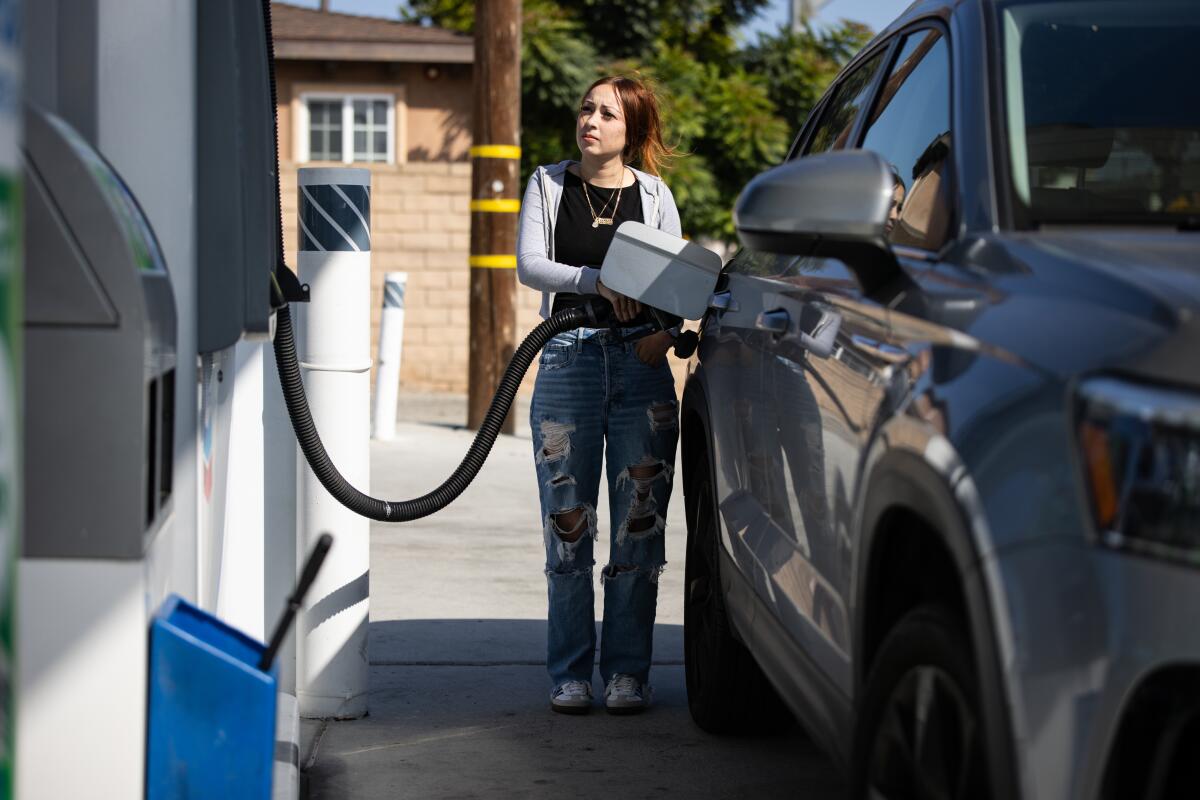
According to Roger Pielke from the American Enterprise Institute, the conflict with Iran has cost American households between $775 and $1,300. National average gas prices were at $3.90 per gallon, with California averages reaching $5.48. These hikes impact various sectors, including agriculture.
President Trump has dismissed affordability concerns despite a drop in his economic approval ratings to 33%, the lowest in recent polling by NPR/PBS News/Marist.
Public Sentiment and Strategic Responses
Surveys reveal public skepticism on the war’s worth, with a minority supporting the costs incurred. Economic messages need substance, according to Brian Reisinger, a rural policy analyst. Senate Majority Leader John Thune’s recent discussions with President Trump illustrate ongoing attempts to navigate post-conflict negotiations.
Uncertain Future of U.S.-Iran Relations
The agreement with Iran, praised by some Trump supporters, has not fulfilled all objectives, notably concerning Iran’s nuclear program. White House representative Taylor Rogers stated President Trump anticipated temporary energy market disruptions.
As U.S.-Iran talks progress, differing statements from both nations suggest uncertainty. The resumption of Iranian oil sales affects energy logistics, prompting caution in related industries.
Michael Negron highlighted the inherent risk in current negotiations. Market volatility and negotiation developments are crucial variables impacting future economic stability.