
A Dutch review board has concluded that a doctor followed appropriate procedures when performing euthanasia on a severely disabled 1-year-old, igniting an international discussion about who has the right to make end-of-life decisions for non-communicative children. The toddler’s death occurred in late 2025, and Dutch Health Minister Sophie Hermans informed parliament in June about the case.
This marks the first known instance since new rules in 2024 permitted euthanasia for children deemed to be suffering unbearably and untreatably. In the Netherlands, regulations require a review of all post-24-week abortion cases and terminations for children up to 12. A committee composed of an ethicist, legal expert, and medical specialist evaluates whether the physician acted according to standards, sharing findings with the doctor and law enforcement.
Legal Euthanasia Worldwide
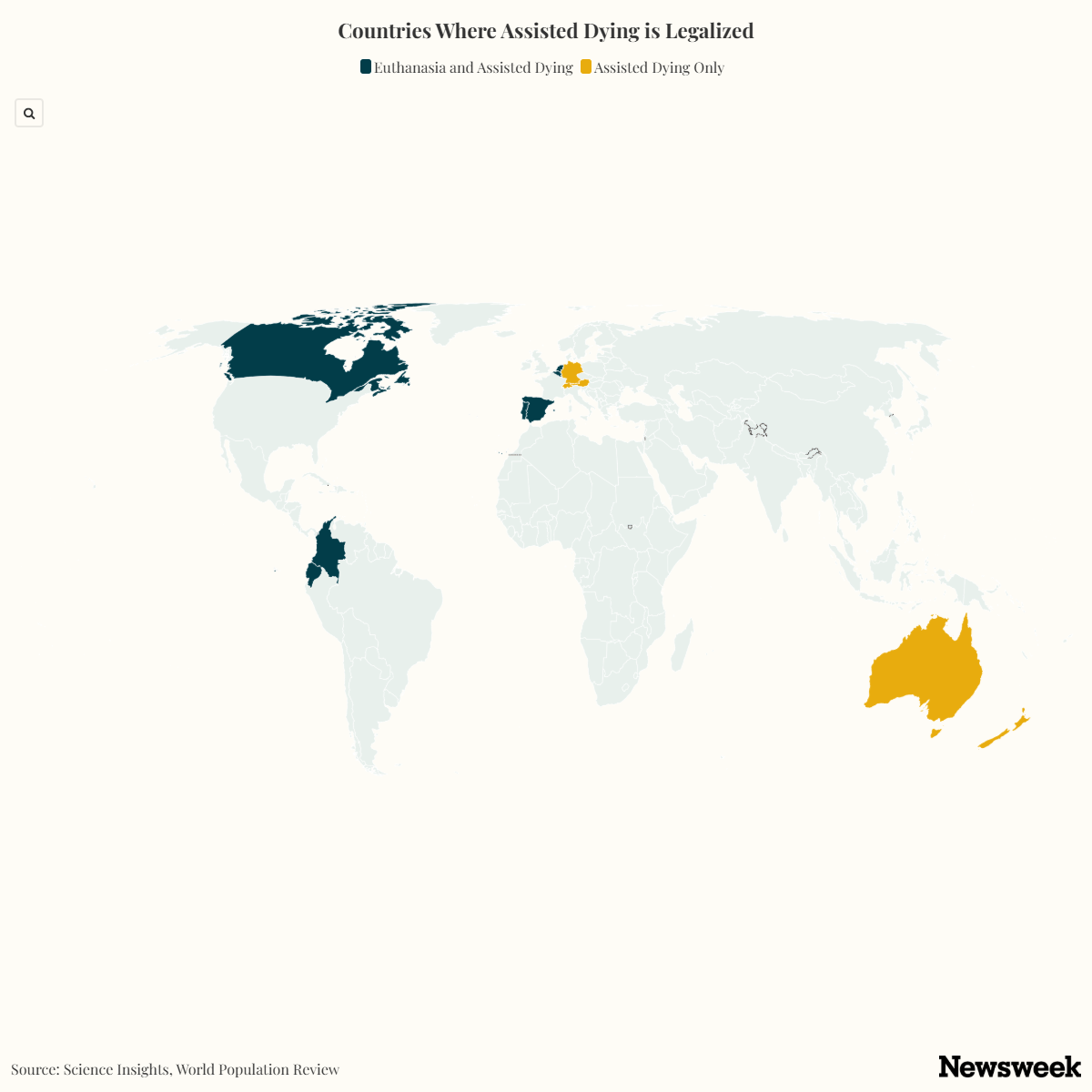
Although the Netherlands has some of the most comprehensive assisted-dying laws, countries like Belgium, Spain, Canada, Colombia, and Ecuador also allow euthanasia or assisted dying under specific conditions.
Details of the Child’s Condition
The identity of the child remains undisclosed. The report identifies the child as having severe epilepsy, brain damage, visual impairment, and cerebral palsy, born extremely premature at 26 weeks and 3 days.
Due to the child’s inability to communicate, the diagnosis, prognosis, and treatment options were extensively discussed with the parents. Based on medical examinations and visible deterioration, the parents requested the physician to end the child’s life. Multiple discussions with the parents confirmed their consistent position.
– Translated Report
The physician administered midazolam and morphine for sedation, followed by coma-inducing substances, leading to deep sedation and death.
Reasons for Dutch Approval
The treating doctor expressed hope that this ruling could help families in desperate situations, as reported by CBS News. He stated, “As a doctor, you are in an extremely vulnerable position, because this has never happened before.” Others disagreed, arguing the child wasn’t continuously suffering and that all medical options weren’t explored.
Cardinal Wim Eijk, a prominent critic and former physician, suggested that standard palliative care should suffice, possibly supplemented by palliative sedation if needed.
Possibility of Similar Cases in the U.S.
Euthanasia is illegal in the U.S., with physician-assisted dying restricted to certain competent adults in limited states. Thaddeus Mason Pope, a law professor, suggests that a similar expansion could be inevitable.
More countries are permitting euthanasia for children. We in the U.S. already permit withdrawal of life-sustaining therapy, so permitting euthanasia might become logical.
Despite this, adopting the Netherlands’ approach in the U.S. is unlikely. Most places worldwide require individuals to decide for themselves regarding medical aid in dying or euthanasia.
If you or someone you know is contemplating suicide, reach out to the 988 Suicide and Crisis Lifeline by dialing 988, texting “988” to 741741, or visiting 988lifeline.org.
Newsweek utilized its AI assistant, Martyn, for this story. Contact Newsweek editors: Edward T. Cummins